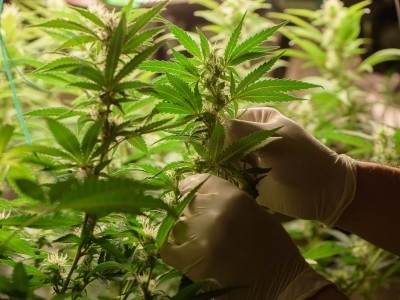

The global cannabis industry is currently undergoing a significant transformation. As North America moves toward broader federal acceptance, the focus has shifted. Cultivators no longer look only at potency or yield. Today, sustainable cannabis farming represents the new gold standard for the modern market. This shift responds to both regulatory pressure and a growing demand for eco-conscious products. At the heart of this movement lies a critical innovation: eco-optimized seeds. These specialized genetics allow growers to reduce their environmental footprint while maintaining high commercial quality.
The Environmental Challenge of Traditional Cultivation
Historically, cannabis production has been resource-intensive. Indoor facilities often consume vast amounts of electricity for lighting and climate control. Furthermore, traditional irrigation methods can lead to significant water waste. In many regions of the United States, water scarcity is a recurring concern. Synthetic fertilizers also present risks, as chemical runoff can damage local watersheds.
Transitioning to sustainable cannabis farming requires a holistic rethink of these processes. Fortunately, the industry is moving away from these high-impact methods. Modern growers are adopting regenerative practices that prioritize soil health and biodiversity. However, these practices are only effective if the underlying genetics can thrive in such environments. This is where the importance of selecting the right Cannabis Seeds becomes undeniable.
Understanding Eco-Optimized Seeds
Eco-optimized seeds are not merely standard varieties with a new label. They are the result of rigorous breeding programs designed for environmental resilience. These seeds enable sustainable cannabis farming by requiring fewer external inputs. For instance, some varieties are bred to naturally resist common pests and diseases. This trait reduces the need for chemical pesticides, which protects beneficial insects and pollinators.
In addition, many eco-optimized seeds show improved nutrient uptake efficiency. This means they can produce robust yields even with organic, slow-release fertilizers. By using these genetics, cultivators can avoid the salt-buildup often associated with synthetic nutrients. Consequently, the soil remains fertile and healthy for future planting cycles. This circular approach is fundamental to the long-term viability of the North American cannabis sector.
Water Conservation Through Advanced Genetics
Water is perhaps the most precious resource in North American agriculture. In states like California and Colorado, drought conditions often dictate cultivation limits. Sustainable cannabis farming addresses this by utilizing drought-tolerant seed varieties. These plants possess deeper root systems or specialized leaf structures that minimize transpiration.
When you purchase high-quality Cannabis Seeds with these traits, you invest in resource security. These plants can withstand dry spells without losing significant biomass. Moreover, they pair perfectly with precision irrigation technologies like drip systems. This combination ensures that every drop of water reaches the plant's root zone. Ultimately, growers can reduce their total water consumption by up to 30% compared to traditional strains.
Reducing the Carbon Footprint of the Industry
Energy consumption remains a major hurdle for the industry's green reputation. Many indoor grow operations rely on heavy HVAC systems to manage heat from lights. However, sustainable cannabis farming is increasingly moving toward greenhouse and outdoor models. Eco-optimized seeds are specifically bred to thrive under natural sunlight.
These varieties can handle the fluctuations of outdoor temperatures better than delicate indoor clones. By utilizing the sun’s energy, growers can virtually eliminate the carbon emissions tied to artificial lighting. Furthermore, outdoor-grown plants often develop more complex terpene profiles. This is due to the full spectrum of UV light provided by the sun. Therefore, sustainability does not mean a sacrifice in quality; it often results in a superior, more natural product.
The Rise of Autoflowering and Feminized Varieties
Efficiency is a cornerstone of sustainable cannabis farming. In the modern market, feminized and autoflowering seeds have become essential tools. Feminized seeds ensure that every plant in the garden is productive. This eliminates the resources wasted on growing male plants that do not produce flowers.
Autoflowering seeds provide an additional layer of sustainability. These plants have a shorter life cycle and do not require strict light schedules to flower. Because they grow quickly, they are less exposed to seasonal pest cycles. This rapid turnover allows for multiple harvests in a single season in some North American climates. Using these advanced Cannabis Seeds helps cultivators maximize their space and minimize their time-to-market.
Enhancing Soil Health and Biodiversity
True sustainable cannabis farming goes beyond just saving energy or water. It involves active participation in ecological restoration. Many green cultivators now use living soil techniques. This involves a complex ecosystem of microbes, fungi, and beneficial bacteria.
Eco-optimized seeds are designed to work in harmony with these soil biomes. They form symbiotic relationships with mycorrhizal fungi, which help the plant absorb minerals. As the plants grow, they also sequester carbon into the soil. This process helps mitigate the effects of climate change. By choosing the right Cannabis Seeds, farmers contribute to a healthier planet while producing premium medicine and recreational products.
Meeting the Demands of the Conscious Consumer
The modern consumer in North America is highly informed. They often research the origins of their products and favor brands with transparent practices. Sustainable cannabis farming serves as a powerful marketing tool in this competitive landscape. Products grown from eco-optimized seeds often carry organic or clean green certifications.
These labels provide peace of mind to health-conscious individuals. They know their cannabis is free from heavy metals and harmful residues. Furthermore, supporting sustainable brands allows consumers to vote with their wallets. This demand drives further innovation in the seed market. As more people choose green products, the industry as a whole must adapt to these higher standards.
Economic Advantages of Green Cultivation
While some believe that sustainability is expensive, the opposite is often true. Sustainable cannabis farming can significantly lower long-term operational costs. Reducing reliance on expensive chemical inputs and high electricity bills improves profit margins.
Moreover, eco-optimized seeds often yield plants with higher resilience. This leads to fewer crop failures and more consistent harvests. In a market where prices can fluctuate, operational stability is a major advantage. Cultivators who master these green techniques are better positioned to survive market corrections. They build a business model that is both environmentally and financially durable.
The Role of Regulatory Compliance
Legislative bodies in the US and Canada are increasingly looking at environmental impact. Future regulations may mandate specific water usage limits or energy efficiency ratings. Adopting sustainable cannabis farming today prepares businesses for these inevitable changes.
By starting with the right Cannabis Seeds, growers can ensure their operations meet high standards. It is much easier to build a green facility from the ground up than to retrofit an inefficient one later. Proactive compliance also builds better relationships with local communities. When a farm protects local water and air quality, it gains valuable social capital.
Future Trends in Cannabis Seed Technology
The future of the industry looks bright and increasingly green. We are seeing a rise in bioregional breeding programs. These programs develop seeds specifically for the unique climates of the Pacific Northwest, the Northeast, or the South. Such localized genetics are the ultimate tool for sustainable cannabis farming.
We can also expect further advancements in minor cannabinoid profiles. Seeds that produce high levels of CBG or THCV are gaining popularity. These compounds often require specific growth conditions that eco-optimized genetics can handle more effectively. The synergy between biotechnology and traditional breeding will continue to push the boundaries of what is possible.
A Greener Path Forward
The transition to sustainable cannabis farming is no longer optional. It is a necessary evolution for an industry that seeks long-term legitimacy and success. Eco-optimized seeds provide the foundation for this change. They allow us to grow high-quality products while respecting the limits of our planet.
As we look toward the future, the choice of genetics will define the winners of the market. Investing in premium Cannabis Seeds is an investment in the earth’s future. By embracing these innovations, North American cultivators can lead the world in green agriculture. Together, we can ensure that the cannabis industry remains a positive force for both people and the environment.