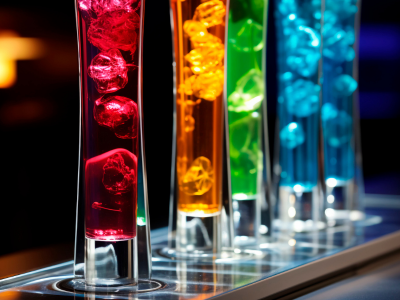

Gin has always enjoyed its reputation as a botanical playground. Yet, in recent years, something far more vibrant has poured into glasses worldwide. Bars now present drinks that turn pink, purple, or electric blue with just a squeeze of citrus. Social feeds love them. Mixologists celebrate them. Consumers chase them. Thus, the global fascination with color-changing gin has become more than a passing trend. Instead, it reflects a growing demand for sensory experiences in the spirits world.
This blog unpacks the rise of these shape-shifting spirits. Along the way, it explains the science, explores the global market, and studies why people find these magical hues so irresistible.
Traditionally, gin has focused on refinement and botanical depth. Today’s consumers, however, want more than elegant flavors. They want stories, surprises, and shareable excitement. Consequently, color-changing gin delivers an ideal combination of novelty and craftsmanship.
In an age dominated by digital visuals, color becomes a crucial element. Bright cocktails capture attention. Their shifting hues add drama. This spectacle transforms an ordinary drink into a moment. Therefore, the sensory appeal boosts consumer engagement and encourages repeat purchases.
In addition, the return of at-home mixology created fresh demand for easy yet impressive drinks. A small citrus squeeze creates a dramatic shift. This effect turns casual gatherings into creative cocktail experiences.
The Color Shift: It’s Not Magic, It’s Chemistry
Although these gins look magical, the science is simple. Many color-changing gin products use the butterfly pea flower. This botanical is common in Southeast Asian cuisine. It contains natural pigments called anthocyanins. These compounds react to changes in pH levels.
In neutral or alkaline conditions, the butterfly pea flower appears deep blue. When exposed to acidity, it shifts toward violet or pink. Therefore, when you add tonic water, citrus, or flavored mixers, the drink changes color instantly. The effect seems dramatic, yet the mechanism is straightforward.
Other botanicals support similar transformations. Hibiscus, red cabbage extract, and certain berries also shift tones. Distillers experiment with combinations to achieve unique shades. While these ingredients look delicate, their pigment stability remains impressive when treated correctly.
Natural Ingredients Take Center Stage
The global movement toward natural ingredients strengthens this trend. Consumers prefer clean labels and botanical authenticity. As a result, distillers highlight the plant origins of these pigments. Because the transformation relies on natural chemistry, brands market these gins as both innovative and nature-powered.
Craft distillers, in particular, love this opportunity. They work with foraged flowers, locally grown herbs, or region-specific botanicals. Therefore, many gins showcase both color play and regional identity. This approach gives each bottle a compelling backstory.
Sustainability also matters. Many distillers prioritize eco-friendly farming and low-impact extraction. This focus appeals to conscious consumers who want products that align with ethical values.
From Blue to Blush: The Bartender’s Dream Toy
Color-shifting spirits give bartenders a fresh set of creative tools. Because these gins react so easily, they allow versatile cocktail design. Furthermore, the visual drama becomes part of the presentation.
Mixologists around the world have crafted signature drinks built around the transformation. For example:
- Blue gin becomes vivid violet when mixed with lemon tonic.
- Purple gin shifts to pink when paired with hibiscus syrup.
- Pale lilac cocktails intensify into deep magenta with extra acidity.
Each shift adds flair without overwhelming the palate. This flexibility helps bars create memorable experiences. Additionally, the appeal of color-changing gin boosts demand for premium-priced cocktails.
The Social Media Effect: How a Cocktail Became a Content Star
The world drinks with its camera now. Because of that, cocktails must perform as well as they taste. Color-changing gin fits this era perfectly. A drink that transforms on cue becomes an ideal short-form video subject.
On Instagram, TikTok, and YouTube Shorts, these cocktails get huge engagement. They appeal to both casual drinkers and cocktail enthusiasts. Bars that showcase these drinks often see a spike in foot traffic. Thus, the trend becomes self-reinforcing.
Even distillers now craft campaigns that highlight the visual journey of their spirits. Slow-motion pours, glowing neon setups, and citrus squeezes create viral moments. Consequently, color-shifting gins thrive in digital environments where attention spans remain short.
A Global Trend with Local Expressions
Although the movement began with a few curious craft experiments, the world quickly embraced the concept. Several regions stand out in the evolution of color-changing gin:
United Kingdom
As the birthplace of modern gin culture, the UK naturally champions experimentation. Distillers combine tradition with playful innovation. Therefore, many early color-shifting brands emerged here.
Australia
Australia’s vibrant craft scene loves bold botanicals. Distillers use native flowers and herbs to develop unique pigments. The country also boasts strong social media adoption, which boosts visibility.
Japan
Japan’s focus on precision and aesthetics shapes its gin innovations. Distillers experiment with delicate botanicals that deliver subtle yet striking hues. The market values refined transitions over bold color changes.
United States
The US craft spirits market embraces novelty. Consequently, bars and tasting rooms feature show-stopping presentations. The appetite for experiential beverages remains strong.
India
India’s growing gin culture leans heavily toward botanicals. With easy access to regional flowers, distillers explore natural pigments. The country’s rising cocktail scene amplifies the trend.
Together, these regions push boundaries and inspire global adoption.
Does Flavor Matter When Color Steals the Show
Although visual appeal drives the trend, flavor remains essential. Fortunately, botanicals used in color-changing gin often add delicate earthy or floral notes. Butterfly pea flower itself tastes mild and slightly woody. Because it does not overpower other botanicals, it creates a balanced profile.
Distillers compensate by refining their juniper-forward base or adding citrus-driven layers. As a result, these gins offer both drama and depth. Consumers get a complete experience, not just a visual trick.
How Distillers Perfect the Transformation
Creating stable color shifts requires skill. Distillers must balance pH, pigment concentration, and botanical extraction. Temperature control matters as well. Furthermore, shelf stability tests ensure that the color does not fade.
Many craft distillers experiment through small-batch processes. They adjust botanical ratios until they achieve the desired reaction. Because natural pigments can be sensitive, each recipe becomes a unique achievement.
What’s Next for the Color-Shifting Spirits Market
The future looks bright—perhaps neon. As demand grows, brands will introduce more transformations. For example:
- multi-stage color shifts
- gins that glow under UV light
- thermochromic labels and bottles
- hybrid spirits blending tea, wine, or florals
Furthermore, consumers who enjoy interactive beverages will continue seeking novel forms. Therefore, this category will remain relevant as long as curiosity stays alive.
Final Squeeze
The rise of color-changing gin proves that innovation and playfulness belong at the bar. It blends nature, science, artistry, and storytelling. While the trend may have begun as a visual gimmick, it evolved into a thoughtful craft movement. Distillers around the world now treat natural pigments with respect. Bartenders celebrate the drama. Consumers adore the delight.
So, the next time your blue gin turns pink, enjoy the moment. After all, it represents creativity at its finest.