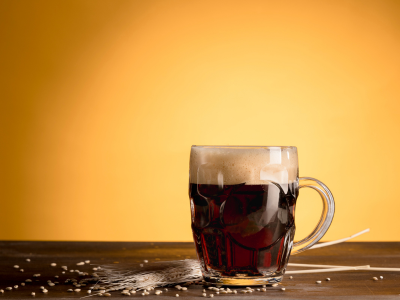

To begin with, the world of high-end mixology is currently witnessing a fascinating shift. For years, the espresso martini dominated the late-night orders of global urbanites. However, as that trend finally matures in 2026, a new contender has emerged. Specifically, modern mixologists are looking toward the deep, roasted depths of the brewery. Consequently, they are now embracing Dark Beer Mixology.
No longer is dark beer just a cold pint of stout. Instead, it has become a sophisticated "modifier." Furthermore, it adds complex, savory notes to the most ambitious cocktail menus. From London to Tokyo, the "Stout-Tail" revolution is officially here. Ultimately, it challenges the old notion that dark beer is too heavy for a cocktail tin. In contrast, it offers a playground of umami and roasted sugars.
The Rise of the "Stout-Tail"
In addition to these shifts, the modern bar scene thrives on innovation. Consequently, we have moved past the simple "Black Velvet" of Guinness and Champagne. Today, dark beer serves as a concentrated flavor source. Specifically, brewers use roasted malts to create notes of coffee, chocolate, and smoke. In fact, these elements mirror the profile of many premium spirits.
Dark beer provides a unique texture that fruit juices cannot match. The natural carbonation offers a built-in "spritz" effect. Meanwhile, the residual sugars provide a body that feels luxurious on the palate. In 2026, the trend is shifting toward "savory" rather than "sweet." This makes Dark Beer Mixology the perfect tool for the modern craft bartender.
Understanding the "Umami" Trend
Why is everyone suddenly talking about umami in their drinks? Umami is the "fifth taste." It represents a savory, meaty, or earthy sensation. Dark beers are naturally rich in this profile. This is due to the Maillard reaction during the malt roasting process.
To elevate this, some mixologists are using "fat-washing" techniques. This involves infusing spirits or the beer itself with fats. Think of a stout, fat-washed with toasted sesame oil. Or perhaps a porter infused with browned butter. These methods add a velvety mouthfeel. They also bridge the gap between the kitchen and the bar. It creates a drink that feels more like a culinary experience than a quick refresher.
The Smoked Stout Old Fashioned
The Old Fashioned is the king of classic cocktails. It is simple, elegant, and timeless. However, adding a smoky imperial stout takes it to a new dimension. This version uses a dark beer reduction instead of standard sugar.
The Ingredients:
- 60ml High-proof Bourbon or Rye Whiskey
- 15ml Smoked Stout Reduction (recipe below)
- 2 dashes Black Walnut Bitters
- Large orange twist
- One high-quality cherry
The Method:
To begin, you must create your reduction. First, simmer 300ml of a smoked stout on low heat. Continue to reduce the liquid until only 100ml remains. Consequently, this creates a thick and syrupy consistency. In a separate mixing glass, combine the whiskey, reduction, and bitters. Next, add plenty of ice to the mixture. Stir the drink gently for about 30 seconds. Importantly, this ensures proper dilution and chilling. Afterward, strain the liquid over a single large ice sphere. At this point, express the orange oils over the glass. Finally, garnish the cocktail with the cherry.
As a result, you will have a drink with incredible depth. Specifically, the smoke from the beer complements the charred oak of the bourbon perfectly. Ultimately, it feels familiar but offers a surprising and savory finish.
The Porter-Spiced Rum Punch
Punch is usually associated with bright, tropical flavors. However, a "Spiced Rum Punch" benefits greatly from the backbone of a robust Porter. This cocktail is a global favorite in 2026 for winter gatherings.
The Ingredients:
- 45ml Spiced Rum
- 30ml Robust Porter
- 15ml Fresh Lime Juice
- 15ml Ginger Syrup
- 2 dashes Angostura Bitters
- Cinnamon stick for garnish
The Method:
To start, fill a shaker with plenty of ice. Next, add the rum, lime juice, ginger syrup, and bitters. Shake the mixture vigorously to aerate the ingredients properly. Afterward, double-strain the liquid into a highball glass filled with fresh ice.
Gently pour the porter over the top of the mixture. Consequently, it should slowly mingle with the rest of the drink. This technique creates a beautiful visual gradient for the guest. As a result, the ginger and spice notes from the rum dance with the chocolate notes of the porter. Ultimately, it is a refreshing yet complex take on a classic punch.
The Sesame-Washed Black Lager Spritz
This drink leans heavily into the Dark Beer Mixology trend of 2026. It uses a Schwarzbier (German Black Lager). This style is crisp but looks incredibly dark. It is perfect for those who want the "look" of a stout without the "weight."
The Ingredients:
- 45ml Sesame-washed Gin
- 60 ml Black Lager (Schwarzbier)
- 15ml Dry Vermouth
- Splash of Soda Water
- Toasted sesame seeds for garnish
The Method:
To begin, you must prepare your ingredients. To fat-wash your gin, first add 30ml of toasted sesame oil to 200ml of gin. Next, let the mixture sit for four hours to infuse the flavors. Afterward, please place it in the freezer overnight. Consequently, the oil will solidify at the top of the container.
Once the fat is solid, remove the frozen layer and filter the gin thoroughly. Then, combine the washed gin and vermouth in a chilled glass. Stir the mixture briefly with ice to ensure it is cold. Next, top the drink with the black lager and a splash of soda. Finally, garnish the glass with a few toasted seeds. As a result, this drink is incredibly savory. Furthermore, it offers a nutty, earthy profile that is truly innovative.
The Midnight Espresso Flip
If you still love your coffee cocktails, this is for you. A "Flip" is a classic category that uses a whole egg for texture. Using a Milk Stout adds a creamy, lactose-driven sweetness that eliminates the need for heavy syrups.
The Ingredients:
- 30ml Dark Rum
- 60ml Milk Stout
- 15ml Cold Brew Coffee Concentrate
- 1 Whole Egg (fresh)
- Grated Nutmeg
The Method:
To begin, you should perform a "dry shake" first. Specifically, add all ingredients except the nutmeg to a shaker without any ice. Shake the mixture hard for at least 20 seconds. Consequently, this process emulsifies the egg and creates a thick, luxurious foam.
Next, add ice to the shaker and shake again to chill the liquid thoroughly. Afterward, strain the mixture into a chilled coupe glass. At this stage, the foam should appear dense and tan. Finally, finish the presentation with a light dusting of fresh nutmeg.
As a result, this cocktail is essentially a dessert in a glass. Furthermore, the milk stout provides a smooth chocolate-latte vibe. Meanwhile, the rum adds a necessary punch of heat to balance the sweetness. Ultimately, it serves as a sophisticated alternative to the standard espresso martini.
The Botanical Porter Sour
Traditional sours use lemon and sugar. However, Dark Beer Mixology allows us to play with bitterness. A botanical-forward porter can act as a natural bittering agent.
The Ingredients:
- 50ml Botanical Gin
- 20ml Lemon Juice
- 15ml Honey Syrup
- 30ml Porter
- Sprig of Rosemary
The Method:
First, shake the gin, lemon juice, and honey syrup with ice, then strain the mixture into a rocks glass. Next, top the drink with the porter; at first, the beer will settle near the bottom. After that, give it a very light stir to gently integrate the layers. Finally, slap the rosemary sprig to release its aromatic oils and drop it in.
As a result, the piney notes of the gin and rosemary contrast beautifully with the rich, dark malt. Overall, it becomes a bright, herbaceous cocktail with an unexpected depth of character.
Why This Matters for the Global Market
The dark beer market is no longer a niche for enthusiasts. It has become a global force. In Europe, the tradition of dark lagers is being reinvented. In North America, the obsession with barrel-aging continues. Asia is currently leading the charge in "Smart Brewing" and innovative adjuncts.
Incorporating these beers into cocktails is the natural next step. It bridges the gap between different drinking cultures, allows a "beer person" to enjoy a cocktail bar. Further, let's a "cocktail person" appreciate the nuance of a well-crafted porter. Dark Beer Mixology is not just a fad. It is a sophisticated evolution of the beverage industry.
Mastering the Craft at Home
You do not need a professional laboratory to try these. Start with high-quality ingredients. Always use fresh citrus. Buy the best dark beer you can find. Local microbreweries are often the best source for unique porters and stouts. Experiment with your own reductions. A stout reduced by half is a powerful tool. It can replace simple syrup in almost any recipe. It adds a "toasted" flavor that white sugar cannot provide. This is the heart of Dark Beer Mixology. It is about using what you have in creative ways.
The Ultimate Mixology
The "Stout-Tail" revolution is just beginning. As we move through 2026, expect to see more dark beer on cocktail menus. It is time to look at that bottle of stout in your fridge differently. Remember, it's not just a drink. It is a concentrated essence of flavor waiting to be unlocked.