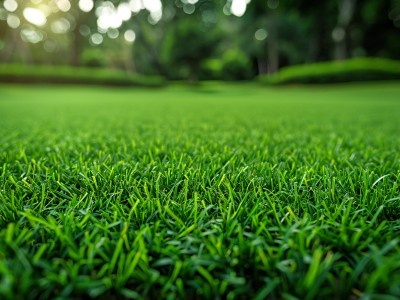

The global landscape of modern architecture and urban design is currently undergoing a radical transformation. Traditionally, synthetic grass was a product designed almost exclusively for high-performance athletic stadiums and professional golf courses. However, recent technological advancements have pushed these materials into a much broader range of functional environments. Today, artificial turf applications serve as a sophisticated tool for architects, homeowners, and urban planners alike. This evolution reflects a growing global demand for resilient, sustainable, and aesthetically pleasing surfaces that require minimal upkeep. From the bustling streets of Tokyo to the luxury villas of Dubai, synthetic greenery is redefining our relationship with nature.
The Evolution of Synthetic Surfacing Technology
The synthetic grass products available in 2026 bear little resemblance to the rigid plastic carpets of previous decades. Modern manufacturing now utilizes advanced polymers like high-density polyethylene and specialized nylon blends to ensure maximum longevity. These materials offer an incredibly realistic texture and exceptional durability against the most punishing UV radiation. Consequently, designers now integrate these surfaces into diverse environments that were previously considered unsuitable for vegetation. The primary shift is not merely aesthetic; it specifically addresses critical global environmental challenges such as chronic water scarcity. By opting for synthetic solutions, property owners significantly reduce their ecological footprint while maintaining a lush environment.
Redefining the Residential Experience
In the high-end residential sector, artificial turf applications have completely redefined the concept of the traditional backyard. Homeowners in arid regions now utilize turf to maintain consistent greenery without the need for constant, expensive irrigation. This allows for a vibrant visual appeal that natural grass cannot sustain during periods of extreme heat. Beyond the standard lawn, synthetic grass is finding a permanent home on residential rooftops and high-rise balconies.
In dense urban centers like New York or London, outdoor space is a premium luxury for any resident. Converting a cold concrete balcony into a private green oasis enhances the living experience and mental well-being significantly. These sky gardens provide a tranquil retreat from the bustling city noise while adding substantial value to the property. Furthermore, the residential market now sees creative indoor uses, such as turf-lined playrooms or verdant accent walls. These installations create a seamless flow between indoor comfort and outdoor aesthetics, making homes feel larger and more connected.
Public Spaces and Sustainable Urban Greenery
Municipalities across the globe are also rapidly recognizing the diverse benefits of large-scale synthetic installations in the public sector. Public parks and pedestrian medians often face heavy foot traffic that quickly destroys even the heartiest natural vegetation. Artificial turf applications ensure that these high-use areas remain vibrant and fully accessible throughout the entire year. In many European cities, urban planners use turf to create pop-up parks in historic town squares and plazas. These temporary green zones encourage community interaction and successfully revitalize local commerce by creating inviting gathering spots.
Moreover, the commercial sector increasingly uses synthetic grass to enhance corporate campuses and modern co-working environments. Modern offices often feature indoor-outdoor breakout zones designed specifically to boost employee productivity and overall well-being. A manicured courtyard provides a refreshing environment for informal meetings or quiet relaxation during a busy workday. These spaces require professional-grade surfacing that can withstand thousands of footsteps while remaining perfectly pristine. The shift toward these durable surfaces highlights a global move toward smart infrastructure that prioritizes both form and function.
Enhancing Safety and Hygiene for Families
For families with young children, synthetic grass provides a safe, hygienic, and consistently soft environment for daily play. It effectively eliminates the presence of mud and dirt, which keeps the interior of the home much cleaner. Many modern artificial turf applications now include specialized antimicrobial properties to ensure the maximum safety of children and pets. The surface is typically installed with advanced cushioning layers underneath to reduce the impact of accidental falls during play.
Parents appreciate that synthetic lawns do not require the use of harmful pesticides, herbicides, or chemical fertilizers. This creates a toxin-free environment where children can play freely without any risk of chemical exposure or allergies. The durability of modern synthetic grass means it can handle the intense friction of active play without wearing down. This reliability makes it the ideal choice for daycare centers, school playgrounds, and community recreational hubs worldwide. The global shift toward these surfaces is a direct testament to their unparalleled practicality, safety, and hygiene standards.
Innovations in Commercial Design and Hospitality
Beyond residential appeal, artificial turf applications offer highly practical solutions for the global hospitality and tourism industry. High-traffic hotels and luxury resorts use synthetic grass around swimming pools to prevent the formation of muddy runoff. This keeps the pool water cleaner and reduces daily maintenance costs for the facility management teams. Guests truly appreciate the soft, slip-resistant surface under their feet when walking from their rooms to the water.
The commercial market also sees a rise in experiential turf installations in shopping malls and transit hubs. Airport lounges now feature small green relief zones where travelers can relax on a soft surface between long flights. These installations provide a much-needed touch of nature in environments that are typically dominated by glass, steel, and concrete. By integrating synthetic greenery, businesses create a more welcoming atmosphere that encourages customers to stay longer and engage more. The integration of artificial turf in commercial architecture has transformed static spaces into dynamic, multi-functional environments that prioritize user comfort.
The Economic and Environmental Advantage
While the initial investment in professional artificial turf applications is higher than natural sod, the long-term savings are undeniable. Property owners save thousands annually on water bills, specialized landscaping services, and expensive chemical treatments. Over a standard ten-year period, the return on investment (ROI) becomes a major selling point for budget-conscious developers. Furthermore, the overall property value often increases due to the permanent curb appeal that synthetic grass provides.
A well-maintained turf area remains a stunning focal point of any property for many years with minimal effort. Owners only need to perform occasional rinsing and light brushing to keep the fibers standing upright and looking fresh. This ease of care allows residents and business owners to spend more time enjoying their beautiful outdoor spaces. Whether you are hosting a large summer event or a quiet morning yoga session, the turf provides a perfect foundation. The global market for these products continues to grow as more people recognize the fiscal benefits of low-maintenance landscaping.
The Future of Landscapes: Sustainability at the Core
The primary driver behind the global rise of artificial turf applications is a fundamental commitment to environmental sustainability. Natural lawns require staggering amounts of fresh water to remain healthy, especially in warming climates. In contrast, synthetic systems eliminate the need for irrigation and the use of carbon-emitting gas-powered mowers. This significant reduction in resource consumption is vital for the future health of our planet and our cities.
Urban planners are now looking at innovative ways to integrate turf into smart city designs where efficiency is mandatory. Newer turf models even feature heat-reflective technology to mitigate the urban heat island effect commonly found in dense cities. Additionally, the industry is moving toward fully recyclable materials to support a circular economy and reduce landfill waste. This forward-thinking approach ensures that synthetic grass remains a responsible choice for the next generation of builders and designers.
Conclusion
The rapid expansion of artificial turf applications beyond the sports stadium is a clear sign of changing global priorities. We value the beauty of green spaces, but we also demand efficiency, safety, and environmental responsibility. From the private balcony of a city apartment to the expansive grounds of a corporate headquarters, synthetic grass is the material of the future. It creates versatile, durable spaces that invite us to step outside, connect, and relax in a perfectly manicured environment. As technology continues to improve, the line between natural and synthetic will continue to blur, making these surfaces a staple of modern life.