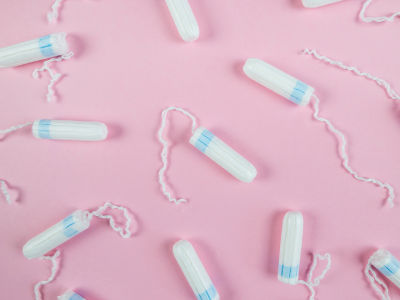

Critical economic shifts now impact the daily lives of millions of consumers. Menstrual product prices have surged by nearly 40% due to several compounding factors. Recent data highlights how inflation impact on menstrual products and creates a significant financial burden. This sharp price increase stems primarily from rising raw material costs and new trade tariffs. Furthermore, logistics expenses and labor shortages continue to strain the global supply chain. Consequently, the cost of tampons and sanitary pads has reached record highs this year.
The current inflation impact on menstrual products reflects a broader trend in the consumer goods sector. Manufacturers now face higher expenses for cotton, plastic, and rayon. These essential materials comprise the majority of period care items. Because global demand for these resources remains high, market prices continue to climb steadily. Additionally, energy costs for manufacturing facilities have increased significantly over the past twelve months. These operational overheads force companies to adjust their retail pricing strategies immediately.
Import tariffs also play a decisive role in this sudden price escalation. Many brands rely on international suppliers for specialized components and finished goods. New trade policies have imposed heavy duties on these imported materials. Therefore, businesses must pass these extra costs directly to the end consumer. This situation exacerbates the existing inflation impact on menstrual products across the United States. Analysts observe that these tariffs specifically target the chemical fibers used in absorbent cores. As a result, even budget-friendly brands are becoming less affordable for low-income households.
The retail environment shows a clear correlation between policy changes and shelf prices of different menstrual products like tampons, cups, napkins, and so on. The considerable retailers report that inventory costs for feminine hygiene items have risen sharply. To maintain profit margins, stores must implement frequent price hikes. This consistent upward trend demonstrates the severe inflation impact on menstrual products in the current market. Many shoppers now express deep concern over the affordability of these biological necessities. Public health advocates warn that high prices lead to period poverty for many individuals.
Furthermore, shipping and transportation hurdles contribute to the overall price spike. Freight rates have remained volatile, which increases the total cost of delivery. When fuel prices rise, the inflation impact on menstrual products becomes even more pronounced. Distribution networks face ongoing pressure to move goods efficiently despite these rising costs. Consequently, rural areas often see even higher price tags due to added transport distances. This geographic disparity further complicates access to essential healthcare items for many residents.
The long-term inflation impact on menstrual products may change consumer shopping habits. Data suggests that more people are now switching to reusable alternatives. Items like menstrual cups and period underwear offer a one-time investment to avoid recurring costs. However, the initial price for these reusables has also increased due to the same economic pressures. Thus, the inflation impact on menstrual products affects every segment of the hygiene market. Even eco-friendly options are not immune to the rising costs of production and trade.
Government officials and consumer groups are now calling for legislative intervention. Some states have already removed the pink tax to provide some financial relief. Nevertheless, tax removal alone cannot offset a 40% price jump driven by global factors. The persistent inflation impact on menstrual products requires a more comprehensive economic solution. Advocates suggest that subsidies or price caps might be necessary to ensure public health. Without such measures, the cost of living will continue to rise for those who menstruate.
In conclusion, the combination of tariffs and inflation creates a perfect storm for price hikes. The visible inflation impact on menstrual products serves as a warning for other consumer sectors. Stakeholders must address these supply chain vulnerabilities to stabilize the market. For now, consumers must navigate a landscape where essential hygiene is becoming a luxury. The 40% increase remains a stark reminder of how global trade affects personal health. Future economic stability will depend on managing these inflationary pressures effectively.