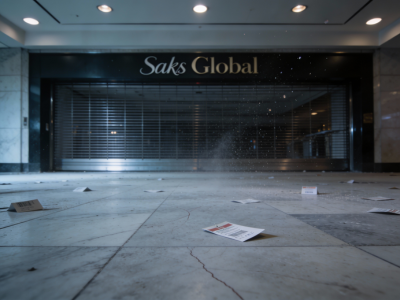

A financial storm finally broke over the luxury retail sector this morning. Saks Global officially entered Chapter 11 bankruptcy protection to address its mounting debt. This decision comes after the failed integration of the Neiman Marcus group. Initially, the 2024 merger aimed to create a dominant luxury powerhouse. Instead, the deal created a massive company with unsustainable financial obligations. As a result, the retailer became a "slow-melting ice cube" in a changing market.
The Saks Global bankruptcy followed a year of disappointing revenue and vendor disputes. Specifically, the company struggled to pay its fashion suppliers on time. Many iconic designers sued the retailer for hundreds of thousands of dollars. Consequently, the stores lacked the "newness" that high-end shoppers typically demand. Moreover, sales at flagship locations dropped by 13 percent in the last quarter. This decline made a voluntary restructuring almost inevitable for the board.
To navigate this crisis, the company secured $1.75 billion in debtor-in-possession financing. This cash infusion will allow the business to pay vendors and restock shelves. Furthermore, the court process gives the company a chance to renegotiate its leases. Many analysts expect the firm to close several Saks Off 5th locations soon. Therefore, the goal is to emerge as a leaner and more agile organization. This strategy requires a total overhaul of the current business model.
Currently, Geoffroy van Raemdonck leads the firm as the newly appointed CEO. He steps into the role during the most difficult period in company history. His primary task involves stabilizing the relationship between the brand and its creditors. Meanwhile, the Saks Global bankruptcy has rattled the confidence of the entire fashion industry. Other department stores like Nordstrom are watching these developments very closely. They fear a broader contagion within the high-end retail sector.
In addition to debt, the company faces stiff competition from online platforms. Modern consumers often bypass department stores to buy directly from brands. Consequently, the traditional "middleman" role of Saks Fifth Avenue is losing relevance. To counter this, the company must invest heavily in its digital infrastructure. However, the bankruptcy process often limits the capital available for such innovations. Thus, the retailer faces a difficult balancing act between debt and growth.
Likewise, the Saks Global bankruptcy forces a revaluation of the company's famous real estate. The flagship Fifth Avenue building remains one of the most valuable properties in New York. Accordingly, the company might use this asset as collateral for future loans. Alternatively, they could lease portions of the building to third-party luxury partners. Such creative solutions are necessary to satisfy the demands of senior bondholders. These creditors hold the keys to the company's eventual exit from court.
Furthermore, the firm must maintain its workforce during this period of uncertainty. It has promised to continue all employee benefits and regular payroll. This commitment is vital for maintaining high levels of customer service. Nevertheless, morale remains low following several rounds of corporate layoffs in 2025. Therefore, the new leadership must work hard to rebuild the internal culture. A motivated staff is essential for a successful retail turnaround.
Ultimately, the Saks Global bankruptcy will redefine the future of high-fashion shopping. The company hopes to exit the Chapter 11 process by late 2026. However, success depends on the recovery of the global luxury market. If consumer spending remains weak, the restructuring might not be enough. For now, the company has the liquidity it needs to survive the winter. Retail enthusiasts and investors alike will track every move in the Houston court.