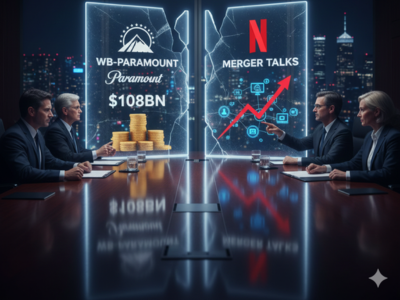

Warner Bros Discovery is preparing a formal snub to Paramount's $108.4 billion hostile takeover attempt this week. The company's board plans to recommend that shareholders stick with an existing deal with Netflix instead. This decision marks a dramatic turning point in the high-profile WB-Paramount Merger Talks occurring this month. Paramount recently offered $30 per share in cash for the entire Warner Bros media empire and its networks. This bid sought to derail a previous $83 billion agreement that Netflix secured for the company's film studios. However, the Warner board remains skeptical about the terms and reliability of the current merger discussions. They believe the Netflix transaction offers a more secure and profitable future for the iconic studio.
A key sticking point in the WB-Paramount Merger Talks is the specific nature of the financing. Paramount's offer relies heavily on a revocable trust linked to billionaire Larry Ellison for its equity backing. Warner Bros directors fear that this arrangement lacks the necessary permanence for such a massive corporate merger. They argue that the trust could be modified or dissolved before the deal reaches its final closing date. Consequently, the board views the WB-Paramount Merger Talks as inherently less stable than the cash-and-stock Netflix offer. The sudden exit of Jared Kushner's Affinity Partners from the Paramount group has only heightened these concerns. This withdrawal removed a significant domestic partner from the WB-Paramount Merger Talks at a very sensitive time.
Furthermore, the board is highlighting the superior regulatory protections found in the deal with Netflix. Netflix has committed to an unusually high $5.8 billion breakup fee to demonstrate its resolve to regulators. This financial guarantee provides a safety net that the current WB-Paramount Merger Talks currently lack. Additionally, the Netflix deal allows Warner Bros to spin off its cable networks into a new public entity. This move provides a clean break from traditional television assets that face declining advertising and subscription revenue. The collab, however, requires the buyer to absorb these networks and manage their structural challenges. Therefore, the board sees the Netflix path as a much cleaner strategic evolution for the whole company.
Moreover, the potential for political interference looms large over the ongoing WB-Paramount Merger Talks. Paramount CEO David Ellison has been touting his bid as the best way to proHollywood ’sood’s creative legacy. Yet father’s close ties to political figures have drawn both support and intense criticism from various factions. President Trump has already voiced his intent to oversee the review of any major media merger personally. His recent criticisms of Paramount-owned CBS suggest that the WB-Paramount Merger Talks might face a hostile reception. Meanwhile, the Netflix deal has its own antitrust hurdles due to the streaming giant’s massive market share. These factors make the WB-Paramount Merger Talks a complicated puzzle for investors and federal regulators alike.
The upcoming rejection will likely force Paramount to reconsider its strategy and increase its financial offer. David Ellison has hinted that his current $30-per-share bid might not be his final attempt to win control. This suggests that the WB-Paramount Merger Talks could continue as a protracted and expensive bidding war. Warner Bros shareholders must now weigh the certainty of the Netflix deal against the potential upside of Paramount. The outcome will have lasting effects on the competitive balance between legacy studios and global technology platforms. Regardless of the winner, the merger has forever changed the landscape of the modern media industry. The world is watching to see which giant will ultimately control the home of Harry Potter.
Many analysts believe that the board 'sard's decision represents a defensive play against a hostile and unpredictable suitor. They argue that the existing leadership never gave the WB-Paramount Merger Talks a fair chance. If the rejection proceeds as planned, it could trigger lawsuits from disgruntled shareholders who want the higher price. These legal challenges could drag out the WB-Paramount Merger Talks even longer than the regulatory reviews. For now, the focus remains on the Wednesday filing and the board's justification for leaving $18 billion behind. This historic clash between old Hollywood and new tech is entering its most volatile and unpredictable stage yet. We will continue to report on every development as this corporate giant determines its ultimate fate.