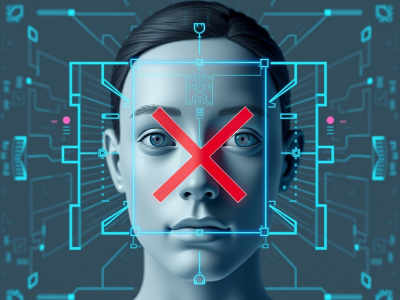

The UK is taking a historic step to protect its citizens by implementing the UK Deepfake ban. This new policy specifically outlaws applications that use AI to create non-consensual nude imagery. Often called "nudification" apps, these tools have caused widespread harm and psychological distress to countless victims. The government’s decision marks a major shift in how the nation handles digital sexual abuse. Under the UK Deepfake ban, the mere creation of these tools will become a punishable crime.
Furthermore, officials believe that this move is essential to combat the rising tide of online misogyny. Specifically, the UK Deepfake ban aligns with the national strategy to protect women and girls from harassment. Meanwhile, ministers have pledged to make the internet a safer place for the next generation of users. In order to achieve this, they will partner with tech firms to block predatory software at the source. Consequently, the ban targets the developers who enable this type of digital exploitation.
Technology Secretary Liz Kendall warned that AI must not be used as a weapon for humiliation. She confirmed that the new laws would target both the creation and distribution of nudifying software. The UK Deepfake ban ensures that those who profit from these apps face severe legal consequences. Furthermore, the police will have new powers to shut down websites that host these illegal tools. This comprehensive approach aims to eradicate the problem from the digital landscape entirely.
The impact of these apps on victims can be absolutely devastating and long-lasting. Many people have reported feeling violated and unsafe after discovering faked images of themselves online. In some cases, these images have led to financial extortion and severe mental health crises. Therefore, the UK Deepfake ban is a vital intervention for public health and safety. It provides a legal shield for those who are most vulnerable to digital manipulation.
The Online Safety Act serves as the foundation for these new legislative measures. While that act focused on content removal, the UK Deepfake ban goes much further. It criminalizes the software itself, making it illegal to possess or supply nudification tools. This means that app stores and hosting services must actively block these products. If they fail to comply, they could face massive fines from the regulator, Ofcom.
Research from the Internet Watch Foundation highlights the urgency of the UK Deepfake ban. Their findings show that AI is increasingly used to target children and teenagers. Nearly twenty percent of confirmed reports of explicit imagery now involve some form of AI manipulation. By implementing the ban, the government is taking direct action to protect minors. They are also encouraging tech firms to build safety features directly into smartphones.
The UK Deepfake ban also seeks to change the social conversation around digital consent. Education is a key component of the government’s long-term strategy to reduce online abuse. By teaching young people about the harms of deepfakes, they hope to discourage the use of such tools. The UK Deepfake ban provides the legal backing necessary to support these educational initiatives. Together, these efforts will create a more respectful and secure online culture.
Furthermore, the ban addresses the issue of "sextortion" by removing the tools of the trade. Criminals often use these apps to create fake images for blackmail. By making the software illegal, the government makes it harder for scammers to operate. Thus, the UK Deepfake ban serves as a powerful deterrent against organized digital crime. It protects both the privacy and the financial security of the British public.
In conclusion, the UK Deepfake ban is a bold and necessary response to modern technology. It proves that the government is willing to take tough action against digital predators. As the laws take effect, the UK will lead the way in AI safety and ethics. The ban will ensure that the digital world remains a place of opportunity, not abuse.