
Energy investment is experiencing a record-breaking shift. By 2025, it's projected to hit an all-time high of $3.3 trillion, the International Energy Agency (IEA) and the World Economic Forum (WEF) predict. The milestone marks not only the sheer amount of capital but also shifting technologies and priorities shaping the energy future.
From clean tech and advanced grids to fossil fuel shifts, following energy investment paints a compelling picture of the global economy's and environment's trajectory.
The $3.3 Trillion Shift: What’s Driving Energy Investment?
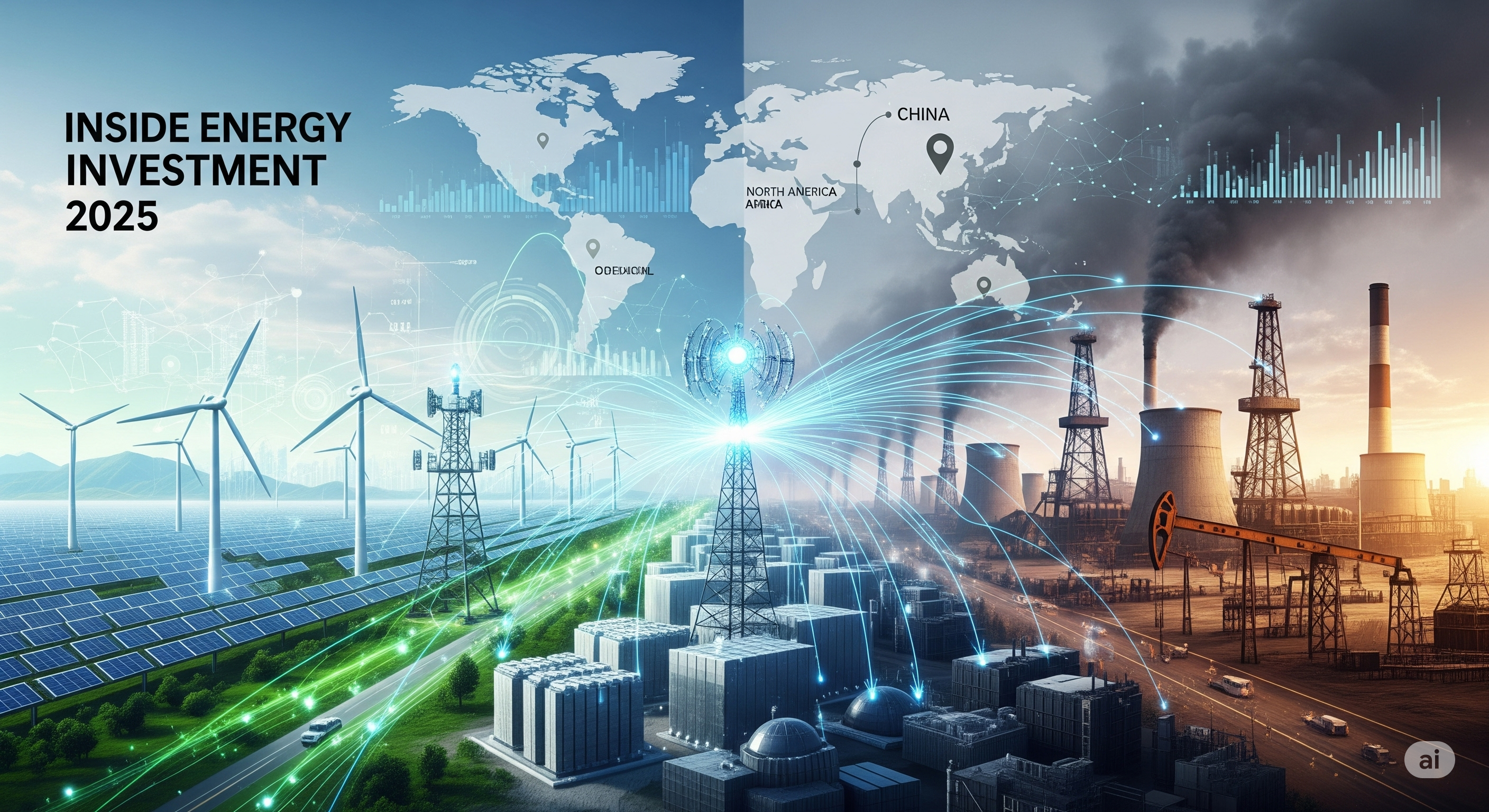
In 2025, international energy investment will reach an all-time high of $3.3 trillion. Of that amount:
- $2.2 trillion is invested in clean energy technology such as solar, wind, nuclear, electrification, and grid modernization.
- $1.1 trillion will be allocated to fossil fuels (oil, gas, and coal), the first year-over-year drop since the COVID-19 pandemic.
This turn indicates a worldwide shift: clean energy isn't the future anymore; it's currently the prevailing investment focus.
Solar PV Leads the Pack
Among all the technologies, solar photovoltaic (PV) is receiving the largest amount of capital. China, which is currently the world's biggest investor in energy, has reinforced its dominance of solar infrastructure. Declining prices of solar panels and increasing power prices in developing nations have fueled a demand boom.
Even in the case of countries such as Pakistan, investment in Chinese solar and battery storage imports has risen exponentially, demonstrating how clean tech is transforming trade flows and reorienting the global energy map.
Next-Gen Energy Systems Are Redefining Infrastructure
The World Economic Forum underscores that next-generation energy systems are critical to accelerating the global energy transition. Major areas of investment are:
- Intelligent Grids- Artificial intelligence-driven, sensor-enabled grids are enhancing forecasting, outage management, and system resilience.
- Renewable Energy Storage- Advanced storage systems are solving intermittency issues and improving grid stability.
- Decentralized Energy Markets- From peer-to-peer power trading to consumer-generated electricity, decentralized systems are attracting major energy investment.
This evolution reflects a critical shift in mindset, treating energy not just as a commodity, but as an adaptive, service-based infrastructure.
Global Imbalances: Where Investment Is (and Isn’t) Going
While the global investment figure is impressive, regional disparities remain. According to the IEA:
- North America and Europe continue to lead in clean energy investment.
- Emerging markets, especially in Africa and Southeast Asia, are starting to attract more capital, often through public-private partnerships and multilateral aid.
For instance, the World Bank has pledged $1 billion for a mega-hydropower project in the Democratic Republic of Congo. When complete, it could triple the country's electricity capacity.
Fossil Fuels Still Attract Billions, But Purpose Is Shifting
Despite declining volumes, fossil fuels still account for a third of total energy investment. But priorities are changing:
- Oil and gas firms are investing in carbon capture (CCS), hydrogen, and biofuels.
- Returns are now measured by carbon efficiency, not just barrels or BTUs.
The fossil fuel sector isn’t going away overnight, but its role in the energy economy is being redefined.
Why Energy Investment Is Booming Now
Several forces are propelling this record investment boom:
- Energy security in the context of geopolitical risk (Ukraine, Middle East, Taiwan Strait)
- Policy stimulus through tax credits, green bonds, and stimulus programs
- Technological advancements in AI, digital twins, and clean materials
- Investor urgency from ESG mandates and climate pledges
Together, these forces are transforming the movement of capital through energy value chains.
Final Thoughts: Following the Trillions
So, where are the trillions going? Into a cleaner, smarter, more distributed energy system in the world. But this transformation brings with it a challenge: make sure that capital flows fairly, particularly to underserved areas where energy access is low.
In the years ahead, tracking energy investment will remain a key metric not only for financial markets but for humanity’s climate and development goals.
References
IEA- World Energy Investment 2025
World Economic Forum- Energy investment on track for record $3.3 trillion, and more top energy stories