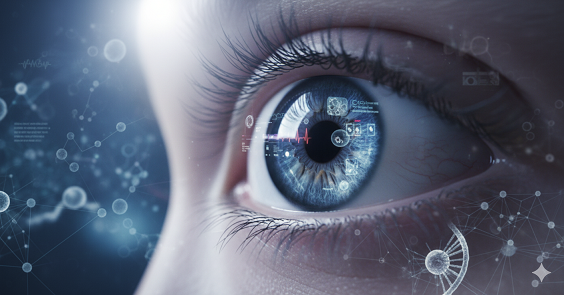

Eye cancer is a rare but serious condition that affects the tissues in and around the eye. While it may not be as commonly discussed as other forms of cancer, its impact on vision, quality of life, and overall health can be profound. As recent developments from leading health organizations such as the National Institutes of Health (NIH), the World Health Organization (WHO), and the National Health Service (NHS), our understanding of eye cancer is evolving rapidly.
In this blog, we explore what eye cancer is, how it’s diagnosed and treated, and the latest innovations and global efforts aimed at improving outcomes for patients.
Understanding Eye Cancer Well?
Eye cancer refers to the abnormal growth of cells in or around the eye. It can affect different parts of the eye, including the retina, iris, and eyelids. The most common types include:
- Retinoblastoma: A childhood cancer that begins in the retina.
- Uveal melanoma: A cancer of the eye’s middle layer, more common in adults.
- Squamous cell carcinoma: A cancer affecting the surface of the eye or eyelid.
Though rare, eye cancer can be life-threatening if not detected and treated early. It may also lead to partial or complete vision loss.
Symptoms and Diagnosis
Symptoms of eye cancer can vary depending on the type and location of the tumor. Common signs include:
- Blurred or loss of vision
- Eye pain or redness
- A visible lump or growth
- Bulging of the eye
- Changes in eye movement
Diagnosis typically involves a combination of tests such as:
- Ophthalmic examination
- Ultrasound imaging
- MRI or CT scans
- Biopsy (in some cases)
Early detection is crucial for effective eye cancer treatment, especially in children with retinoblastoma, where timely intervention can save both life and vision.
Latest Research and Innovations from NIH and NEI
The National Eye Institute (NEI), part of the NIH, is leading groundbreaking research into the mechanisms behind eye diseases, including cancer. One of the most notable recent studies from the University of Minnesota Medical School, funded by NEI, uncovered a link between a cancer signaling pathway and the blood-retina barrier. This discovery could help scientists understand how eye tumors develop and spread, potentially leading to new treatment strategies.
Another innovation is NEI’s eye-on-a-chip technology. This 3D platform mimics the fluid flow of the human eye and was initially used to study steroid-induced glaucoma. However, researchers believe it could be adapted to simulate tumor environments, allowing for more precise testing of eye cancer therapies.
These advancements are paving the way for personalized medicine and targeted treatments that could revolutionize how we approach eye cancer care.
WHO’s Global Perspective on Eye Cancer
The World Health Organization (WHO) has emphasized the importance of tracking and managing rare cancers, including those affecting the eye. Through its Cancer Today platform, WHO provides data visualization tools that allow researchers and policymakers to explore the global burden of cancer by region, age group, and gender.
While eye cancer is less prevalent than other types, its inclusion in global cancer surveillance helps ensure that resources are allocated for research, awareness, and treatment. In countries like India, where access to specialized care may be limited, WHO’s support for early detection and primary healthcare integration is vital.
Eye Cancer in Children: Focus on Retinoblastoma
Retinoblastoma is the most common form of eye cancer in children. It typically affects children under the age of five and can be hereditary or sporadic. The NEI’s eye conditions database offers comprehensive information on retinoblastoma, including symptoms, treatment options, and links to clinical trials.
Treatment often involves:
- Chemotherapy
- Radiation therapy
- Laser therapy
- Surgical removal of the eye (in severe cases)
Early diagnosis is key. In many cases, children can retain vision in at least one eye if the cancer is caught early. Genetic counselling is also recommended for families with a history of retinoblastoma.
Treatment Options for Eye Cancer
Treatment for eye cancer depends on the type, size, and location of the tumor, as well as the patient’s overall health. Common approaches include:
- Surgery: To remove the tumor or, in some cases, the entire eye.
- Radiation therapy: Often used for uveal melanoma.
- Chemotherapy: Especially for retinoblastoma and metastatic cancers.
- Targeted therapy: Based on genetic markers and tumor behavior.
- Immunotherapy: A growing field in cancer treatment, though still under research for eye cancers.
The goal is to eliminate the cancer while preserving as much vision as possible. Multidisciplinary care involving oncologists, ophthalmologists, and genetic counselors is often required.
Challenges in Eye Cancer Treatment
Despite medical advances, several challenges remain:
- Limited awareness: Many people are unfamiliar with the symptoms of eye cancer.
- Delayed diagnosis: Especially in rural or underserved areas.
- Access to specialists: Not all regions have trained ocular oncologists.
- High treatment costs: Advanced therapies and surgeries can be expensive.
Government programs and international collaborations are working to address these issues through education, subsidies, and telemedicine.
Eye Cancer and Public Health in India
In India, eye cancer cases are often underreported due to lack of awareness and access. However, initiatives like Ayushman Bharat are helping bridge the gap. This national health protection scheme offers:
- ₹5 lakh coverage per family per year
- Cashless treatment at empanelled hospitals
- Support for cancer care, including surgeries and chemotherapy
While eye cancer is not as common as other cancers, its inclusion in public health schemes ensures that patients receive timely and affordable care.
The Role of Technology in Eye Cancer Diagnosis
Technology is playing a transformative role in eye cancer diagnosis and management:
- AI-powered imaging: Helps detect tumors earlier and more accurately.
- Teleophthalmology: Enables remote consultations and follow-ups.
- Genetic testing: Identifies hereditary risks, especially in retinoblastoma.
- Mobile apps: Educate users about symptoms and connect them with specialists.
These tools are especially valuable in low-resource settings, where access to traditional healthcare may be limited.
Patient Stories: Hope and Recovery
Consider the story of Meera, a 4-year-old girl from Uttar Pradesh diagnosed with retinoblastoma. Her parents noticed a white reflection in her eye, a common sign of the disease. As early intervention and support from Ayushman Bharat, Meera received chemotherapy and laser therapy. Today, she has partial vision and is thriving in school.
Stories like Meera’s highlight the importance of awareness, early detection, and accessible eye cancer treatment.
Future Outlook: Toward Better Outcomes
The future of eye cancer care looks promising, due to ongoing research and global health initiatives. Key trends include:
- Personalized medicine: Tailoring treatment based on genetic and molecular data.
- Global collaboration: Sharing research and resources across borders.
- Public health integration: Including eye cancer in national screening programs.
- Affordable therapies: Making advanced treatments accessible to all.
With continued investment and innovation, the goal of reducing the burden of eye cancer and improving patient outcomes is within reach.
Conclusion: A Unified Effort Against Eye Cancer
Eye cancer may be rare, but its impact is significant. From cutting-edge research at NIH and NEI to global surveillance by WHO and public health support in India, the fight against eye cancer is gaining momentum. Whether through technology, policy, or education, every effort counts.
By staying informed and supporting initiatives that promote early detection and treatment, we can ensure that more people receive the care they need. Eye cancer is not just a medical challenge, it’s a public health priority that deserves attention, funding, and compassion.