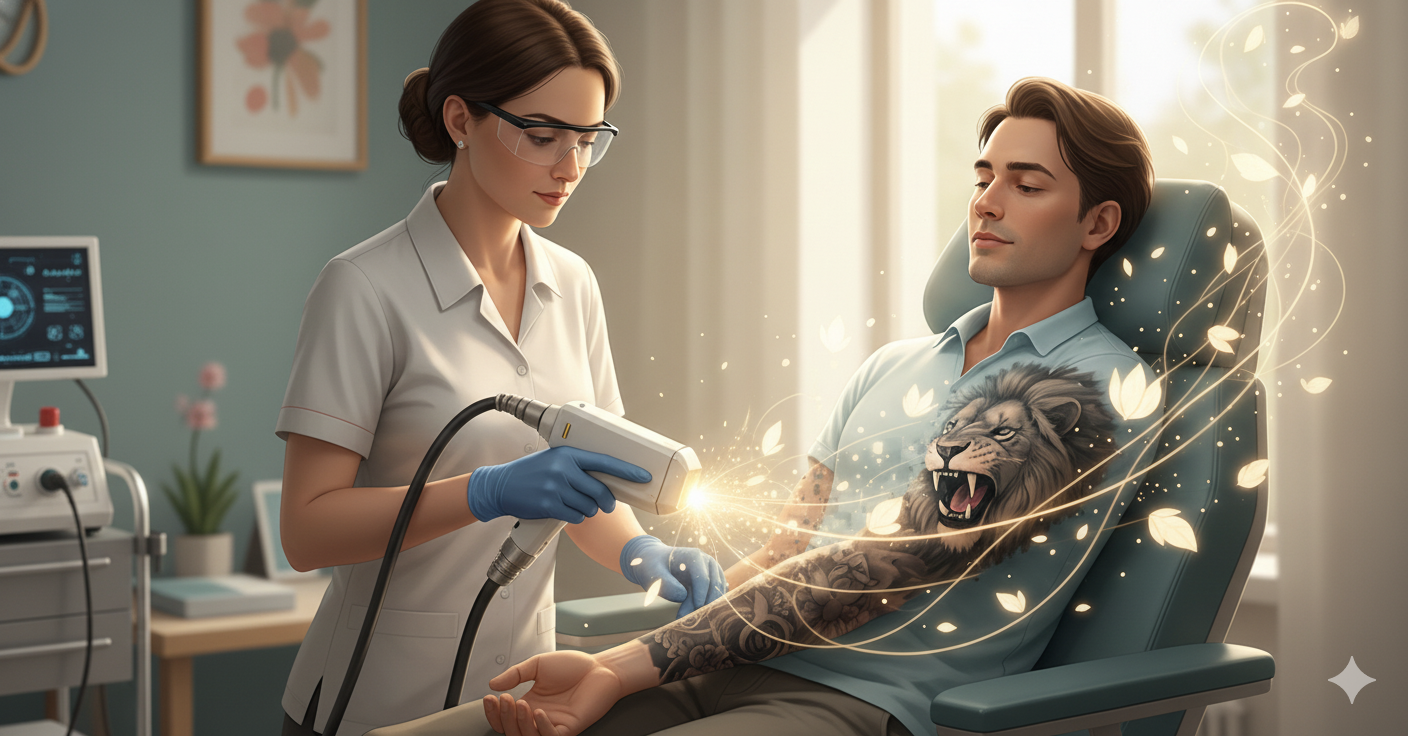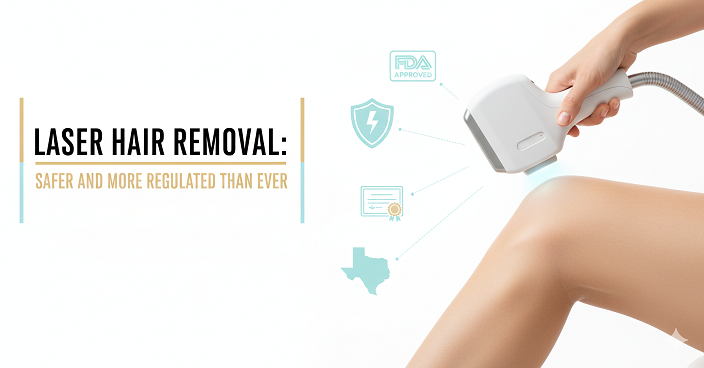

Laser Hair Removal has become one of the most sought-after cosmetic procedures in recent years. From smoother skin to long-term hair reduction, its appeal spans across age groups and lifestyles. But as its popularity grows, so does the need for clear regulations, safety standards, and public awareness. Fortunately, government agencies across the U.S. are stepping up with new rules, updated guidelines, and legislative proposals to ensure that this is not only effective but also safe.
Let’s explore the latest developments from official sources like the FDA, state legislatures, and health departments, and what they mean for consumers and providers alike.
Texas Tightens Safety Standards
The Texas Department of Licensing and Regulation (TDLR) recently updated its rules under Chapter 118 of the Texas Administrative Code. These changes aim to standardise Laser Hair Removal practices across the state.
Key updates include:
- Clearer definitions of who can perform treatments.
- Revised training requirements for technicians.
- Enhanced supervision protocols to ensure patient safety.
These rules reflect a growing emphasis on professionalism and accountability in the industry. Clinics in Texas must now meet stricter criteria, which is a win for both consumers and practitioners who value quality care.
FDA Issues Safety Alerts
The U.S. Food and Drug Administration (FDA) has issued warnings about the use of topical anaesthetics before Laser Hair Removal sessions. Products containing high concentrations of lidocaine or similar agents can pose serious health risks when absorbed through the skin.
According to the FDA:
- Overuse of these creams can lead to irregular heartbeat, seizures, and breathing difficulties.
- Consumers should only use FDA-approved products and follow instructions carefully.
- Clinics must educate patients on safe pre-treatment practices.
This alert serves as a reminder that even seemingly minor steps in this and can have major health implications. Safety starts with informed choices.
Maryland Expands Access with Senate Bill 995
In Maryland, Senate Bill 995 proposes allowing licensed nurses to perform Laser Hair Removal under physician-established protocols. This bill is designed to increase access to treatment while maintaining safety standards.
Supporters, including major providers like Milan Laser, argue that:
- Nurses are well-trained and capable of performing treatments safely.
- Physician oversight ensures accountability.
- The model has worked successfully in other states.
If passed, this bill could make Laser Hair Removal more accessible to Maryland residents, especially in underserved areas.
Florida Streamlines Licensing for Electrologists
The Florida Department of Health has revised Rule 64B8-56.002, which governs electrologists who offer Laser Hair Removal services. The new rule simplifies the licensing process by recognising a 320-hour training program and a council-approved exam.
This means:
- Electrologists can qualify without additional certifications.
- Training is standardised across the state.
- Consumers benefit from more qualified professionals.
Florida’s move reflects a broader trend toward making it more accessible while maintaining rigorous safety standards.
South Carolina Introduces the Laser Hair Removal Act
South Carolina’s Bill 853, also known as the Laser Hair Removal Act, aims to regulate the practice more strictly. The bill mandates:
- Use of FDA-approved laser devices only.
- Treatments performed by licensed health professionals.
- Clear training and supervision protocols.
This legislation is designed to protect consumers from unqualified providers and unsafe equipment. If passed, it would set a new benchmark for Laser Hair Removal safety in the state.
Why These Changes Matter
These developments aren’t just bureaucratic updates; they’re essential steps toward safer, more effective Laser Hair Removal. As demand grows, so does the risk of unregulated practices, counterfeit devices, and poorly trained technicians.
Government agencies are responding with:
- Clearer definitions of who can perform treatments.
- Standardised training and certification.
- Public education campaigns to raise awareness.
For consumers, this means greater peace of mind. For providers, it means a more professional and respected industry.
Benefits of Laser Hair Removal
Despite the need for regulation, Laser Hair Removal remains a highly beneficial procedure when done correctly. Some of its top advantages include:
- Long-term hair reduction.
- Smoother skin with fewer ingrown hairs.
- Convenience compared to shaving or waxing.
It’s especially effective for people with dark hair and light skin, though newer technologies are expanding its reach to a wider range of skin tones and hair types.
Risks and Side Effects
Like any cosmetic procedure, Laser Hair Removal comes with risks. Common side effects include:
- Redness and swelling.
- Temporary discomfort.
- Skin pigmentation changes.
More serious risks, like burns or scarring, can occur if the procedure is done improperly or with unapproved equipment. That’s why choosing a licensed, well-trained provider is crucial.
The Role of Technology
Technology is rapidly improving the Laser Hair Removal experience. New devices offer:
- Faster treatment times.
- Built-in cooling systems for comfort.
- Greater precision and safety.
Some lasers are now FDA-approved for use on darker skin tones, which was previously a challenge. These innovations make Laser Hair Removal more inclusive and effective than ever before.
What to Expect During Treatment
A typical Laser Hair Removal session involves:
- A consultation to assess skin type and hair colour.
- Cleaning and prepping the treatment area.
- Application of the laser in short pulses.
- Post-treatment care instructions.
Most people need multiple sessions spaced weeks apart for optimal results. Maintenance treatments may be required annually.
Education and Training Matter
Safety in Laser Hair Removal begins with proper training and expertise. Providers should have completed accredited training programs and hold relevant certifications. Ongoing education is also essential to keep up with advancements in technology, techniques, and safety protocols.
Equally important is the use of FDA-approved laser devices, which ensures treatments meet established safety and effectiveness standards.
As a consumer, it’s your right to ask about your provider’s credentials, experience, and the equipment being used. Don’t hesitate to ask questions; credible professionals will welcome your interest and provide clear answers.
Choosing a well-trained provider not only minimises risks like burns or ineffective results but also ensures a more comfortable and successful experience. Remember, your safety and results are directly tied to the provider’s qualifications, so always prioritise expertise over convenience or low prices.
How to Choose a Provider
Selecting the right Laser Hair Removal clinic is essential for both safety and results. Start by ensuring the clinic has proper licensing and certified professionals who are trained in laser procedures.
Look for transparent pricing, clear policies, and no hidden fees. Reputable clinics will explain costs upfront. The facility should be clean, organised, and professional, reflecting high standards of hygiene and care.
Reading reviews and testimonials can offer valuable insights into others’ experiences. Consistently positive feedback is a good indicator of reliable service.
Be cautious of deals that seem too good to be true or clinics that rush you into treatments without proper consultations. High-quality care may cost more, but it's a worthwhile investment in your safety and long-term results. Prioritise expertise, professionalism, and trustworthiness to ensure a smooth and satisfying Laser Hair Removal journey.
Final Thoughts: A Bright Future for Laser Hair Removal
Laser Hair Removal is evolving beyond a cosmetic trend into a trusted medical-grade solution for long-term hair reduction. With advancements in technology and stronger oversight from regulatory bodies like the FDA and state health departments, the treatment is becoming safer, more effective, and widely accessible.
Whether you're booking your first session or returning for maintenance, being informed is essential. Always verify that your provider is licensed and follows approved safety standards. Check with local health authorities and licensing boards for guidance.
When performed correctly by trained professionals, Laser Hair Removal offers more than convenience; it can boost your confidence, save time, and eliminate the discomfort of shaving or waxing. The future of Laser Hair Removal looks bright, promising enhanced results and safety for all skin types.