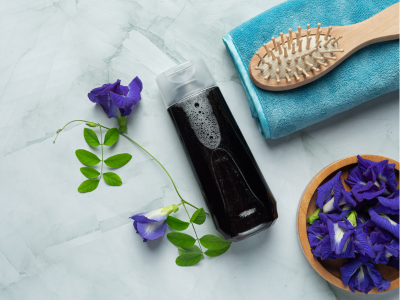

Shoppers make fast choices. Shelves feel crowded. Yet one bottle jumps out and sings, “Pick me.” That moment is design at work. More specifically, it is the Shampoo packaging design doing subtle persuasion through color, shape, and cues. Because we buy with our eyes first, aesthetics steer behavior before ingredients do.
This blog explores how color psychology and design impact decisions. We will look at global trends, consumer heuristics, and practical brand tactics. Additionally, we will keep the tone semi-formal, witty, and useful. Expect short sentences, active voice, and plenty of transitions. Let’s decode the bottle that wins your basket.
Why Visuals Lead the Haircare Conversation
We process visuals faster than text. Therefore, color becomes a shortcut to meaning. Shampoo packaging design communicates benefits before you read claims. Blue suggests purity. Green implies natural care. Black hints at premium performance.
Consumers use these cues as quick heuristics. They scan for fit and align with identity. Consequently, they reach for bottles that match lifestyle stories. The label copy then acts as a confirmation, not the opener. That sequence matters in busy retail aisles and online feeds.
The Color Playbook: What Shades Signal
Colors carry emotional signals. Brands use them to shape expectations and trust. Shampoo packaging design often follows these common associations:
- Blue: Cleanliness, calm, and hydration.
- Green: Nature, sustainability, and botanical care.
- White: Simplicity, purity, and gentle formulas.
- Pink: Softness, care, and playful beauty.
- Yellow: Energy, brightness, and shine enhancement.
- Purple: Luxury, toning, and color protection.
- Black: Strength, performance, and premium status.
However, context changes meaning. A matte black bottle can feel eco-chic, not harsh. A pastel green can suggest wellness rather than medicine. Therefore, finish and material amplify color cues.
Finish, Texture, and Material: The Silent Influencers
Shine changes perception. Glossy surfaces feel lively and youthful. Matte finishes feel modern and calm. Shampoo packaging design uses finish to subtly steer emotion.
Texture also matters. Soft-touch coatings suggest care and comfort. Ribbed grips promise ease in the shower. Meanwhile, frosted plastics hint at purity and minimalism. Consequently, material and finish support the color story and strengthen recall.
Typography and Iconography: Reading Without Reading
Type speaks with personality; moreover, it sets the tone for the entire design. For example, serif fonts suggest tradition and elegance, while sans-serif fonts feel modern and clean. Therefore, shampoo packaging design carefully selects type to echo the product’s promise. In addition, iconography accelerates scanning and enhances clarity. For instance, a leaf icon signals natural ingredients, a droplet suggests moisture, and a shield implies protection. Furthermore, consistent icon systems improve recognition across sub-lines. As a result, consumers navigate options faster and feel more confident in their choices.
Shape and Ergonomics: Function Framed as Style
Form often follows function; however, it also frames style. For instance, slim bottles appear sleek and lightweight, while wide bottles feel sturdy and generous. Moreover, shampoo packaging design carefully balances grip, stability, and shower storage. In addition, ergonomics matter for daily use. Therefore, contoured sides improve hold, while flip caps favor quick dispensing. Similarly, pumps support one-handed routines. Consequently, good design transforms function into ease and satisfaction.
Label Hierarchy: Guiding Eyes Through Claims
Clarity wins trust. Therefore, hierarchy should guide the eye smoothly. Shampoo packaging design typically follows this order:
- Brand name for reassurance.
- Benefit headline for quick relevance.
- Key ingredient callout for proof.
- Claim details for validation.
- Usage cues for practicality.
Additionally, use whitespace generously. Crowded labels feel stressful and less credible. Clean layouts encourage attention and reduce decision fatigue.
Global Perspectives: Culture Shapes Color Preferences
Color meanings shift across regions. In many Western markets, green strongly signals nature and integrity. In East Asia, white can imply purity and sophistication. Shampoo packaging design adapts to local interpretations.
Latin American shoppers often embrace bold hues and energetic palettes. Middle Eastern consumers may favor luxe finishes and metallic accents. Meanwhile, Scandinavian markets lean minimal and neutral. Consequently, global brands localize palettes while preserving core identity.
Sustainability Signals: Eco Design That Looks Responsible
Ethics can look beautiful. Recyclable materials and minimalist labels communicate responsibility. Shampoo packaging design increasingly uses muted greens, kraft tones, and matte textures.
Refill systems also change aesthetics. Pouches feel efficient and light. Refillable glass looks premium and eco-minded. Therefore, brands blend eco choices with elegant styling. Consumers appreciate both substance and signal.
E-Commerce vs. Shelf: Designing for Screens and Stores
Bottles must perform in two worlds. On shelves, side-by-side contrast is crucial. Online, thumbnails drive clicks. Shampoo packaging design should plan for photographic strength.
High-contrast labels read better on small screens. Bold benefit headlines aid quick scanning. Additionally, consistent color-coded sub-lines help with filtering. Consequently, brands improve discovery and conversions across channels.
Behavior Science: Heuristics at Play in the Aisle
Consumers use mental shortcuts. The “halo effect” makes attractive packaging feel more effective. The “fluency effect” rewards easy-to-read labels—shampoo packaging design benefits from these biases.
Simpler designs often feel more truthful. Balanced color palettes feel trustworthy. Meanwhile, over-technical claims may reduce confidence without context. Therefore, design should guide, not overwhelm.
Premium vs. Mass: How Design Signals Price Tiers
Premium products often use subdued palettes and refined typography. Mass products embrace bright colors and energetic claims. Shampoo packaging design signals price through restraint or exuberance.
Metallic foils and embossing deliver tactile luxury. Minimal copy implies confidence. Conversely, value lines highlight large benefits and clear price cues—consequently, shoppers quickly sort options by visual tone.
Gender Neutrality and Inclusivity: Broadening Appeal
Haircare increasingly moves beyond gendered design. Neutral palettes and inclusive language grow influence. Shampoo packaging design can drop clichés while keeping clarity.
Avoiding stereotypical colors expands reach. Balanced fonts and straightforward benefits welcome diverse customers. Additionally, imagery can focus on hair type rather than demographics. Inclusivity feels modern and authentic.
Color and Claims: Aligning Promises With Visuals
Visuals should match the formula’s story—hydration pairs well with blues and soft textures. Strength fits darker tones and bold shapes. Shampoo packaging design succeeds when color and claims align.
Misalignment confuses consumers. A “botanical” promise with neon plastic feels off. A “gentle” promise with aggressive typography feels harsh. Therefore, coherence supports trust and satisfaction.
The Role of Limited Editions: Refreshing the Shelf
Seasonal designs spark curiosity and collectability. Holiday reds, summer pastels, and collaboration art create buzz. Shampoo packaging design uses limited runs to test trends safely.
These editions can spotlight causes or sustainability goals. They also rejuvenate core lines visually. Consequently, brands maintain excitement without reformulating products.
Case Cues: Reading the Shower Scene
The home context matters. Bottles live in humid light and narrow shelves. Therefore, Shampoo packaging design should consider bathroom scenes carefully.
High-contrast text helps in low light. Water-resistant labels prevent peeling. Pumps reduce slippery fumbles. Additionally, stackable shapes keep small bathrooms tidy. Practical details improve daily satisfaction.
Practical Guide: Choosing a Bottle That Matches Your Needs
You can make smarter choices with quick checks:
- Scan color cues for relevant benefits.
- Read the headline before deep claims.
- Check ingredients for allergies and goals.
- Assess the format for shower ergonomics.
- Consider sustainability if that matters.
- Picture your bathroom and storage limits.
- Evaluate price signals to set expectations.
With these steps, the Shampoo packaging design becomes a helpful guide. You choose with confidence and fewer regrets.
Brand Playbook: Designing Bottles That Convert
Brands can win with a clear design strategy:
- Define the promise and match the color accordingly.
- Use hierarchy to highlight the main benefit.
- Test on screens and shelves for readability.
- Localize palettes for regional resonance.
- Integrate sustainability without losing elegance.
- Prototype ergonomics in real bathrooms.
- Measure outcomes with A/B visuals and sales data.
By following these rules, Shampoo packaging design drives recognition and loyalty. It turns attention into conversion and repeat purchase.
The Future: Smart Labels, AR, and Personalization
Technology will reshape packaging soon. AR overlays can explain ingredients and routines quickly. Smart labels may track usage and reorders. Shampoo packaging design will blend data and beauty.
Personalization will expand through color-coded routines. Modular labels could adapt to hair goals monthly. Meanwhile, refill ecosystems will grow. Consequently, the bottle becomes a platform, not just a container.
Final Thoughts: Beauty, Signal, and Choice
We buy stories wrapped in color and shape. Bottles speak before words do. When design and formula align, trust blooms. Shampoo packaging design turns silent cues into confident choices.
Next time you browse, pause for a second. Notice the palette, finish, and type. Consider how they guide your hand and mind. Then choose the bottle that feels true. Your hair will thank you, and your shelf will look great too.