
Alcopop beverages have rapidly transformed youth drinking culture, and their influence on teen choices continues to raise serious public health concerns worldwide. These sweet, fizzy drinks combine alcohol with fruity flavors, therefore masking the bitterness that traditionally discourages early alcohol experimentation among adolescents. Consequently, alcopop products have emerged as a powerful gateway, shaping perceptions, behaviors, and consumption patterns among teenagers who remain highly impressionable.
Understanding What Makes Alcopop So Appealing
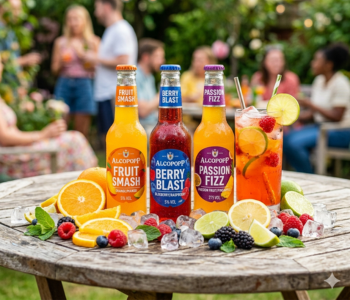
To begin with, alcopop drinks derive their appeal from their taste, presentation, and accessibility, which collectively make them attractive to younger audiences. These beverages often resemble soda, lemonade, or energy drinks, and they feature vibrant packaging that mimics non-alcoholic refreshments. As a result, teenagers frequently perceive alcopop drinks as harmless, which lowers their resistance to trying alcohol for the first time.
In addition, the sugar content of alcopops is significant in shaping teens' choices and fostering repeat consumption. Since the flavor of the alcohol is masked, it becomes difficult for new drinkers to gauge their consumption, thereby making them vulnerable to drinking excessively. Studies indicate that some young individuals cannot even detect alcohol in such drinks, which reinforces the idea that alcopop beverages are less harmful.
Hidden Alcohol Content and Misleading Strength
Furthermore, alcopops generally carry more alcohol content than anticipated, thus exacerbating the dangers linked with adolescents' drinking practices. Certain "super-sized" types contain the amount of alcohol in several servings, even though they are packaged as single servings. Therefore, teenagers may unknowingly engage in binge drinking, believing they are consuming a mild beverage similar to soda or juice.
Marketing Strategies That Target Teen Attention
Youth-Oriented Advertising Techniques
Yet another critical element that has contributed significantly towards the increased demand for alcopops among teenagers is the use of aggressive and strategic marketing tactics by the alcohol industry. The industry spends billions each year on advertising campaigns that target individuals who are even younger than the legally required drinking age. These campaigns incorporate humor, music, pop culture references, and colorful visuals to create strong emotional connections with younger viewers.
United States Data and Industry Trends
Alcohol advertisers spend more than 2 billion dollars annually marketing products across television, radio, print media, and live events, targeting diverse audiences. Much of this exposure reaches viewers significantly younger than the legal drinking age, thereby increasing early familiarity with alcohol brands. Youth in the United States are 96 times more likely to see alcohol advertisements than messages discouraging underage drinking behaviors. Even as underage drinking rates decline gradually, approximately 61.2% of high school seniors continue consuming alcohol regularly today. At the same time, reduced involvement in the more traditional forms of social drinking is driving companies to develop new ways of packaging alcohol products to appeal to younger audiences. This has led to the creation of alcopops along with various marketing tactics tailored to young consumers.
Digital Promotion and Influencer Impact
Moreover, companies are using social media and collaborating with influencers to market their alcopops in more appealing and sophisticated ways. Adolescents tend to follow influencers who do not have an age limit, hence allowing alcohol advertisements to overcome regulatory challenges. In such cases, alcopops' advertisements are incorporated within entertainment posts, which makes it hard for teenagers to differentiate between marketing and recommendations.
Packaging That Mimics Soft Drinks
It is equally important how packaging and brand positioning influence the teenagers' perception and buying of alcopops. The bright color, fun shape, and catchy flavors make the product more exciting for young people to buy. In some instances, the packaging of the alcohol drink looks like a beverage designed for kids, which further blurs the line between alcoholic and non-alcoholic products.
Accessibility and Affordability Factors
Furthermore, the low price and availability of alcopop products also make them easily available for teenagers who have limited financial resources. These beverages often cost less than traditional alcoholic options, and they are widely distributed across retail outlets. Therefore, teenagers have easy access to these alcopop drinks in places where the implementation of age restrictions remains inconsistent.
Health and Behavioral Impact on Teenagers
The mental effects of consuming alcopops by teenagers should also be considered because early exposure to alcohol affects their behavior in the future. Research studies reveal that people who start consuming alcohol before they turn fifteen years old tend to become alcoholics in the future. Therefore, alcopop products not only shape immediate choices but also contribute to future health risks and addiction vulnerabilities.
Furthermore, the intake of alcopops is linked to a higher tendency for drinking at a greater frequency and intensity level among teenagers. Studies reveal that those who consume alcopops have higher levels of alcohol consumption and binge drinking. Moreover, these individuals report higher incidences of alcohol injuries. Thus, the beverages contribute significantly to both short-term dangers and long-term health consequences for young consumers.
Social Influence and Peer Pressure
In addition, sociocultural factors and peer influence tend to promote alcopop consumption among adolescents who seek acceptance and social belonging. Drinking alcopops is seen as enjoyable, liberating, and mature, thus making young people try alcopops even though there may be negative consequences involved. Therefore, peer pressure and cultural messaging play a significant role in normalizing alcopop consumption within youth communities.
Prevention and Regulatory Measures
The prevention strategies, on the other hand, emphasize the importance of limiting teenage exposure to the promotions of the alcopops and raising their understanding of the risks involved. As per the researchers, strategies such as advertising bans, rising prices, and limited availability have been successful in lowering teenage alcohol consumption levels. Moreover, the involvement of parents and educating teenagers on the matter can assist them in making better judgments concerning alcohol consumption.
Furthermore, there is a need to deal with the regulatory gaps that have seen alcopop advertisements using social media and other influencers' platforms. Additionally, there is a need to make sure that age validation measures are more efficient in ensuring that advertisements are restricted and vulnerable groups are protected. Consequently, coordination between the government, community, and family becomes necessary in addressing the rising trend of alcopops.
Conclusion: Addressing the Alcopop Challenge
Ultimately, the appeal of alcopop drinks lies in their ability to disguise alcohol within a sweet, visually attractive, and socially appealing format. However, this very characteristic makes them particularly dangerous for teenagers who may underestimate their effects. As a result, understanding how alcopop products influence teen choices becomes crucial for developing effective prevention and intervention strategies.
Alcopops should be considered dangerous from the perspective of teenage drinking owing to their good taste, marketing strategy, and availability. Though they might seem harmless, the effect on the conduct of teens and the health consequences are truly disturbing. Thus, increased awareness, stringent regulation, and even educational programs are required in order to lessen the effects of such beverages on teenagers' choices and safeguard future generations.