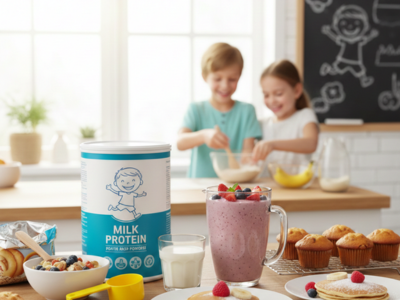

Milk protein powder has become essential in many families’ nutritional plans because it provides high-quality protein in a convenient form. Parents are often curious about what makes this supplement different from other protein sources and how it can help children grow strong, healthy, and active. This blog simplifies everything you need to know about milk protein powder, explains its benefits, and gives practical tips for safe use in kids’ diets.
Milk protein powder starts as regular milk, but through careful processing, most fats, water, and lactose are removed to concentrate the protein. As a result, this powder delivers roughly 80 % protein by weight and contains both whey and casein in the same proportions found naturally in milk. While whey is absorbed quickly after consumption, casein digests slowly and steadily, giving the body long-lasting amino acid delivery.
Why Milk Protein Powder Is Different
Understanding how milk protein powder differs from other protein supplements helps parents make smart decisions. Many protein products contain only one type of protein, such as whey or plant protein, but milk protein powder combines two complementary types. Whey protein quickly enters the bloodstream, ideal for recovery after activity, while casein steadily releases nutrients over several hours, supporting overall growth throughout the day.
Because children’s nutritional needs are ongoing and dynamic, this dual‑action profile makes milk protein powder especially useful. Unlike single-type protein supplements that spike nutrient levels and then decline quickly. The milk protein powder offers both immediate support and sustained nourishment over time. This balanced release helps growing bodies repair tissues, build muscles, and maintain steady energy levels.
Protein for Growth: How It Helps Kids
Protein is vital for every growing child, and milk protein powder delivers a complete amino acid profile that the body cannot make on its own. It supports lean muscle development, strengthens bones, and contributes to overall physical performance. Because children are constantly growing, adequate protein helps them recover from play, sports, and school activities more efficiently.
In addition to protein, milk protein powder often contains calcium and phosphorus, essential minerals for bone health. During childhood and adolescence, bone density increases rapidly, and these minerals work together with protein to build strong skeletal structures. Studies show that kids who meet their protein and calcium needs tend to have better bone strength and reduced risk of fractures later in life.
The protein in milk also includes immunoglobulins and other bioactive compounds that support a child’s immune system. These nutrients help defend against common illnesses and strengthen natural immune responses. That is especially important during school months, when kids are exposed to more germs.
Did You Know?
“A 25‑gram serving of milk protein powder provides about 2.5 grams of leucine. This branched-chain amino acid is crucial for muscle protein synthesis, making it especially important for growing children and active teens.”
Nutrients Packed in Each Serving
A typical 25-gram serving of milk protein powder delivers about 100–110 calories, with 20–22 grams of protein, minimal carbohydrates, and almost no fat. In addition to macronutrients, this powder contains important micronutrients such as vitamin B12, vital for nerve function and energy metabolism. Calcium and phosphorus also contribute significantly toward daily nutrient requirements, supporting both bone health and metabolic processes.
Milk protein powder is concentrated and nutrient-dense. It can help fill nutritional gaps in children’s diets, especially for those who may be picky eaters or who do not consume enough high-protein foods each day. Nevertheless, it should complement whole food sources such as lean meats, eggs, dairy, and legumes, not replace them.
Age‑Appropriate Serving and Usage Tips
The amount of milk protein powder a child needs depends on age and activity level. For kids aged 6–12 years, a single serving of 15–20 grams mixed with milk or water can provide supplemental protein without overloading the digestive system. Teenagers who are more physically active can safely consume 1–2 servings daily to meet increased demands.
It’s important to view protein supplements as part of a balanced diet rather than as meal replacements. Kids should still eat varied foods throughout the day to ensure they get a wide spectrum of nutrients from natural sources. Consult with a healthcare provider before adding any protein supplement to a child’s diet, especially if medical conditions or dietary restrictions exist.
Creative Ways to Include Milk Protein Powder
Milk protein powder is versatile and easy to include in everyday meals. Beyond basic shakes, parents can blend it into fruit smoothies, increasing both flavor and nutrient content. Try mixing it with bananas, berries, or mangoes for a delicious and filling snack that kids will love.
You can also add milk protein powder into pancake or muffin batter to create nutrient-rich breakfasts or snacks. Replacing up to 25 % of flour with protein powder boosts the protein content without significantly altering texture. This makes baking a fun way to sneak extra nutrition into everyday foods.
Protein-enriched oatmeal, yogurt parfaits, and homemade energy bars offer additional ways to make healthy foods more satisfying, especially on busy mornings before school or sports practice. These options keep kids full longer and fuel their activities throughout the day.
Selecting Quality Milk Protein Powder
Choosing a high-quality milk protein powder requires careful label reading. Look for products with minimal ingredients, avoiding those with artificial sweeteners, excessive fillers, and unnecessary additives. Clean‑label certifications and third-party testing help ensure purity and potency, giving parents confidence in what they serve their children.
Aim for products that provide 20–25 grams of protein per 30-gram serving. Higher protein density usually indicates better nutritional value. Proper storage in a cool, dry place keeps the powder fresh for up to 18–24 months, but always check expiration dates and avoid products that show clumping or off odors.
Safety and Monitoring
While milk protein powder is generally safe for most children, those with dairy allergies or severe lactose intolerance should avoid milk-based supplements. Children under 6 years should only take protein supplements under medical supervision. Start with smaller servings and watch for digestive discomfort, then gradually increase as tolerated. If persistent adverse reactions occur, discontinue use and consult a healthcare provider.
Conclusion: Balanced Nutrition for Growing Kids
Milk protein powder offers a convenient, nutrient-rich way to support children’s growth, muscle development, bone health, and immune function. Its unique combination of fast‑ and slow-digesting proteins makes it a versatile ally in fostering lifelong healthy habits. However, it’s essential to use it as a supplement to whole foods, not a substitute for them, and to tailor intake to a child’s individual needs and age.
With thoughtful use and creativity, milk protein powder can be a valuable component of a wholesome diet. A balanced diet helps children thrive physically, mentally, and emotionally.