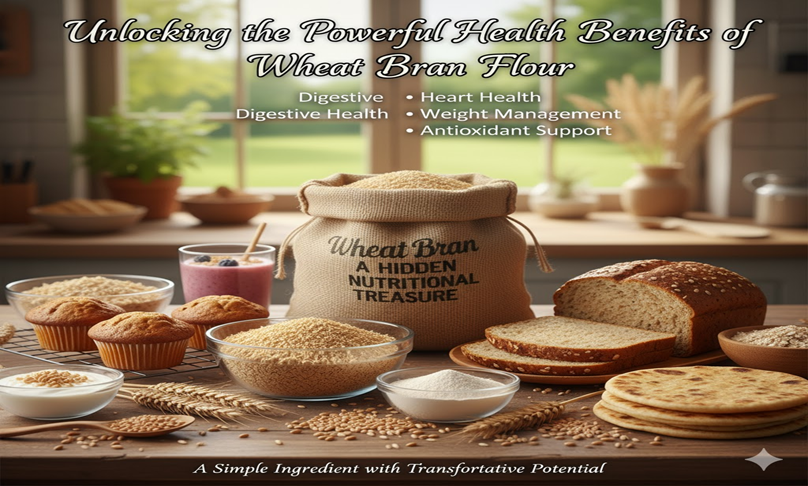

A Hidden Nutritional Treasure in Everyday Grains
Wheat bran, the outer layer of the wheat kernel, offers exceptional nutritional value that modern diets frequently overlook or underestimate. Because it remains after milling removes the starchy endosperm, wheat bran retains essential fibre, vitamins, minerals, and antioxidants.
Furthermore, health experts increasingly recognize its potential to improve digestion, enhance heart health, and support long-term wellness naturally.
Understanding Wheat Bran and Its Composition
Wheat bran is primarily composed of insoluble fibre, which contributes significantly to digestive regularity and bowel health in everyday life. Additionally, it contains protein, B vitamins, iron, magnesium, phosphorus, and antioxidants that collectively enhance energy metabolism and immunity. Unlike refined flour, wheat bran maintains these nutrients because it avoids the heavy processing that strips grains of their natural goodness.
Digestive Health Benefits of Wheat Bran
- Promoting Regular Bowel Movements
Wheat bran’s insoluble fibre adds bulk to stool, thereby improving intestinal movement and preventing constipation naturally and effectively. Because it speeds up the transit of waste through the colon, it reduces discomfort while maintaining efficient digestive function. Moreover, consistent wheat bran intake helps establish a regular rhythm for digestion, supporting gut comfort and overall well-being.
- Supporting a Balanced Gut Microbiome
Beyond basic digestion, wheat bran nourishes beneficial gut bacteria through its prebiotic fibres, which serve as food for microbiota. Consequently, this balanced gut flora strengthens immunity and supports nutrient absorption, further improving long-term digestive health. Therefore, individuals who experience bloating or irregular digestion often find noticeable relief after adding wheat bran to their diet.
Role of Wheat Bran in Weight Management
High-fibre foods like wheat bran promote fullness, which naturally reduces appetite and helps manage weight without restrictive dieting. Because fibre slows digestion, energy is released steadily, preventing overeating and curbing sugar cravings during busy daily routines.
Furthermore, wheat bran is low in calories yet rich in nutrients, making it ideal for healthy, sustainable weight management strategies.
Additionally, when incorporated into breakfast cereals, smoothies, or baked goods, wheat bran provides satisfying volume without excess calories. Therefore, individuals seeking a balanced approach to fitness can benefit from replacing processed flours with nutrient-dense wheat bran flour.
Heart Health and Cholesterol Regulation
- Supporting Cardiovascular Function: Wheat bran contributes significantly to cardiovascular health by reducing LDL cholesterol and maintaining optimal triglyceride levels naturally. Because it binds with cholesterol in the digestive tract, it prevents absorption into the bloodstream, thereby promoting better heart function.
Moreover, minerals such as magnesium and potassium in wheat bran help regulate blood pressure and improve vascular elasticity effectively. - Aiding Long-Term Heart Protection: In addition to lowering cholesterol, the antioxidants in wheat bran combat oxidative stress, reducing inflammation in cardiovascular tissues.
Consequently, regular wheat bran intake supports long-term heart health, especially when combined with a balanced, low-sodium diet. Thus, people who consume high-fibre foods like wheat bran are less likely to develop heart disease or arterial blockages over time.
Cancer Prevention and Antioxidant Support
Wheat bran may play a valuable role in lowering the risk of colorectal cancer through its fibre, lignans, and phytic acid compounds. Because these compounds protect colon cells from damage, they help maintain healthy intestinal tissue and regulate cell renewal naturally.
Furthermore, wheat bran’s antioxidants neutralize harmful free radicals, which can contribute to cellular damage and chronic disease development. Although wheat bran is not a cure, regular inclusion within a nutrient-rich diet effectively enhances the body’s natural protective mechanisms.
Nutritional Highlights and Essential Micronutrients
A Concentrated Source of Energy-Supporting Nutrients
Wheat bran provides essential B vitamins—such as thiamine, riboflavin, and niacin—which are vital for energy metabolism and nerve function. Additionally, minerals like iron, magnesium, and phosphorus assist in muscle performance, bone strength, and oxygen transport throughout the body. Therefore, consuming wheat bran supports both daily vitality and long-term metabolic efficiency, especially in physically active individuals.
Comparing Wheat Bran to Refined Flour
Unlike refined flour, which loses nutrients during milling, wheat bran preserves the nutrient-dense outer layer of the wheat grain. Consequently, substituting refined flour with wheat bran flour enhances dietary quality and supports better blood sugar control naturally. For this reason, nutritionists often recommend replacing part of regular flour in recipes with bran-rich alternatives for optimal health benefits.
Easy and Practical Ways to Use Wheat Bran
Wheat bran is highly versatile and blends seamlessly into many recipes without compromising taste or texture significantly. For instance, you can mix it into smoothies, sprinkle it over yogurt, or bake it into muffins, breads, and rotis. Moreover, incorporating wheat bran into breakfast or snacks ensures steady energy levels while boosting overall fibre intake efficiently.
However, you should increase wheat bran intake gradually and stay hydrated to prevent digestive discomfort from sudden fibre consumption. Consequently, regular but moderate use of wheat bran can deliver excellent results without any unwanted gastrointestinal effects.
Considerations and Potential Side Effects
Although wheat bran is highly beneficial, it does contain gluten and, therefore, is unsuitable for individuals with celiac disease or intolerance. Additionally, its fructan content may trigger discomfort in people with irritable bowel syndrome or high digestive sensitivity.
Furthermore, excessive consumption may inhibit mineral absorption due to its phytic acid, which binds to certain nutrients like zinc and iron. However, balanced intake within a varied diet easily offsets this effect, ensuring overall nutritional adequacy and well-being.
Conclusion: A Simple Ingredient with Transformative Potential
Wheat bran remains an underappreciated yet powerful superfood that promotes digestive wellness, heart health, and metabolic efficiency naturally. Because it fits easily into modern recipes, anyone can integrate it into their diet without major lifestyle changes or inconvenience. Ultimately, consistent use of wheat bran supports long-term health, providing essential nutrients and protecting against chronic diseases effectively. Therefore, start adding wheat bran to your meals today and unlock the powerful, life-enhancing benefits hidden in every grain.