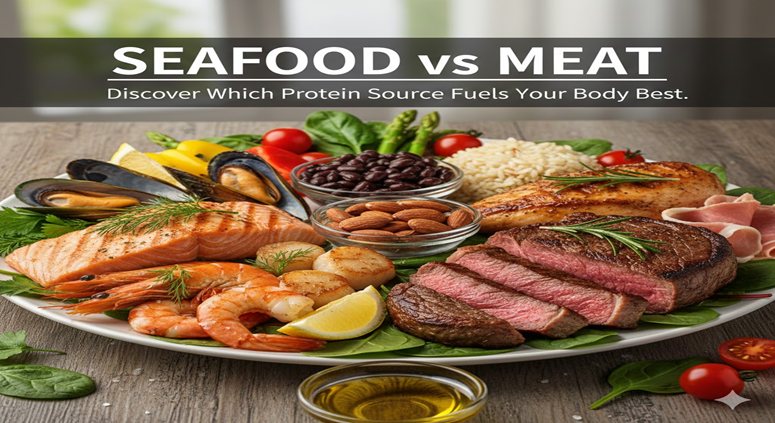

A protein is a source that plays a central role in building and repairing muscle, tissue, and bone to support overall health. When we eat protein sources, our body breaks them down into amino acids. Those amino acids help regenerate cells, support immune health, and regulate metabolism. Understanding whether seafood or meat provides more or better protein helps you make wise dietary choices.
This blog explores how seafood and meat compare on protein quantity, nutrient quality, digestion, and long-term health benefits. You can use this information to choose what fits your lifestyle or fitness goals.
What Protein Really Does for You
Proteins supply the essential amino acids that your body cannot create on its own. Regular intake of complete proteins ensures muscle recovery, hormone balance, and healthy organ functioning. Equally important, protein gives a stable energy source and helps regulate blood sugar when combined with balanced meals. Because of these benefits, choosing high-quality protein sources matters every single day.
Additionally, proteins from whole foods provide other vital nutrients beyond amino acids. These include minerals, vitamins, and healthy fats. Such nutrients often influence long-term health outcomes such as heart health, immune strength, and overall wellness.
Seafood vs Meat: Protein Content
When comparing common seafood and meat options, many seafood items deliver protein equal to or slightly higher than meat. For example, oily fish, shellfish, and lean fish varieties often supply high protein per serving. Similarly, lean meats such as poultry or trimmed red meat deliver substantial protein.
Because of this overlap, both seafood and meat can meet your daily protein needs effectively. What changes the playing field then are accompanying nutrients, fat types, and digestibility, not just protein count.
Fat Quality and Cardio Health
Seafood typically carries lower saturated fat compared to many cuts of red meat. At the same time, certain fish and shellfish provide omega-3 fatty acids, healthy fats associated with reduced inflammation and improved cardiovascular health.
On the contrary, meat, particularly red and fatty cuts, tends to include more saturated fat. Over time, regular consumption of high-saturated-fat meats may increase cholesterol and other heart-disease risk factors.
Therefore, if cardiovascular health or inflammation reduction matters to you, seafood often offers advantages beyond protein alone.
Micronutrients and Digestibility
Seafood offers vitamins such as D, along with minerals like calcium and other trace nutrients. Shellfish and oily fish can provide vital micronutrients that support bone health, immunity, and metabolic functions.
Moreover, fish and shellfish generally digest more easily than many meats because they contain less dense connective tissue. Easier digestion can lead to better nutrient absorption, gentler digestion, and improved gut comfort.
In contrast, red meats often include more connective tissue and may require more effort from the digestive system. Especially for individuals with sensitive digestion or those seeking lighter meals, seafood may feel gentler and more satisfying.
When Meat Still Makes Sense
Despite seafood’s many advantages, lean meats such as skinless poultry or trimmed red meat remain important for certain nutritional needs. Meat often provides plentiful protein per serving, and supplies nutrients like iron and zinc. These micronutrients play a pivotal role in oxygen transport, energy production, and immune function.
For people with high caloric requirements, such as athletes, manual laborers, or individuals aiming to build muscle mass, meat delivers dense calories and protein in a compact serving. Also, when seafood options are limited, meat ensures nutritional needs are fulfilled reliably.
Thus, meat maintains its value when your dietary goals prioritize protein amount, calorie density, or essential mineral intake, such as iron.
Smart Balanced Eating Strategy
To benefit from both seafood and meat, consider alternating or combining them in your meal plans. For example, you might eat oily fish or shellfish several times per week and include lean poultry or red meat occasionally. This diversity ensures ample protein, healthy fats, and necessary micronutrients.
Also, complement animal proteins with other nutritious foods: eggs, dairy, legumes, nuts, and whole grains. These provide additional amino acids, fiber, and micronutrients — supporting muscle, bone, and overall health.
Moreover, adopting varied cooking methods like grilling, steaming, or light sautéing can preserve nutrients while reducing unhealthy fats or additives. Balanced portions and quality preparation improve both taste and health outcomes.
Personalized Nutrition: Consider Your Body and Goals
Your age, activity level, health conditions, and fitness goals influence which protein sources suit you best. For example, someone aiming for lean muscle and heart health might lean toward seafood and plant-based proteins. Another individual needing higher iron intake, muscle bulk, or sustained energy might rely more on lean meats or a mix of proteins.
Always consider your overall diet, not just protein, when evaluating food choices. Balanced meals that include vegetables, whole grains, healthy fats, and moderate proteins generally promote long-term health. Listening to your body’s response helps refine those choices further.
Conclusion
Seafood offers complete proteins, healthy fats, digestibility, and essential micronutrients, making it an excellent protein source for many diets. At the same time, lean meat remains valuable when protein density, iron, and calorie needs demand it.
Rather than picking one over the other, combining both seafood and meat along with other protein sources creates a balanced, nutrient-rich diet. That approach accommodates varied nutritional needs while supporting muscle health, metabolic balance, immunity, and long-term well-being.
Selecting protein wisely helps ensure your body receives what it needs while preserving flexibility, taste, and overall wellness.