
Feather meal, a by-product of the poultry industry, is gaining attention for its exceptional protein content and sustainable production process. Rather than discarding feathers as waste, rendering facilities now transform them into a valuable protein-rich ingredient used in animal feed. As the demand for sustainable and cost-effective feed sources rises, feather meal stands out as an innovative solution.
What Is Feather Meal
Feather meal is a finely ground protein supplement derived from the feathers of poultry like chickens and turkeys. These feathers, primarily composed of keratin, are not digestible in their raw form. However, through advanced processing methods, they are converted into a highly digestible, nutrient-rich feed ingredient. This conversion not only reduces waste from the poultry industry but also offers a high-protein product that can substitute more expensive protein sources in animal diets.
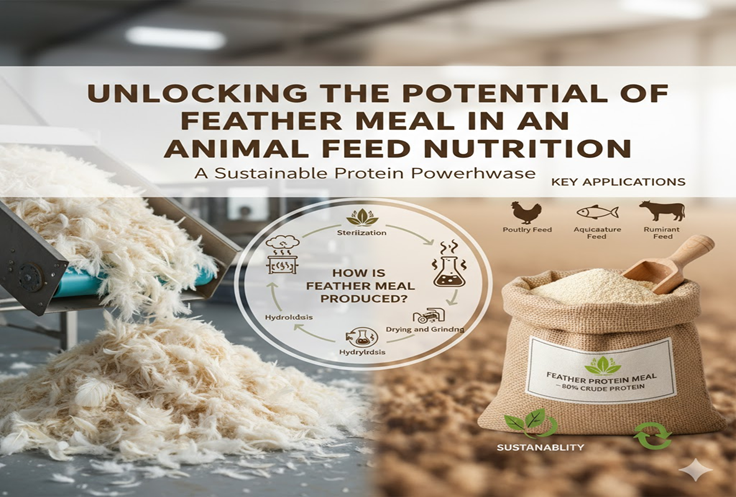
How Is Feather Meal Produced
The production of feather meal follows a controlled, multi-step process designed to ensure both safety and nutritional quality:
- Collection and Cleaning: First, feathers are collected from poultry processing plants. These raw materials are washed to remove dirt, blood, and other contaminants.
- Sterilization: Next, the feathers are subjected to high-pressure steam to sterilize the material and eliminate harmful pathogens.
- Hydrolysis: In this crucial step, feathers undergo hydrolysis—exposure to high heat and pressure. This breaks down the tough keratin protein, significantly improving its digestibility.
- Drying and Grinding: Finally, the sterilized, hydrolyzed feathers are dried and finely ground into feather meal. The result is a light, brownish powder with a protein content of around 80% to 85%.
This efficient transformation process ensures that the end product is safe, digestible, and rich in nutrients.
Nutritional Value and Benefits
Feather meal offers several nutritional benefits that make it attractive for use in animal feed:
- High Protein Content: Typically containing 80–85% crude protein, feather meal ranks among the highest protein feed ingredients available today.
- Amino Acid Profile: It is particularly rich in cysteine and methionine, essential amino acids that support healthy growth, feather development, and overall animal performance.
- Mineral Content: Besides protein, it contains valuable minerals such as nitrogen, phosphorus, sulfur, calcium, magnesium, and iron, all of which contribute to balanced nutrition.
However, it’s worth noting that the quality and digestibility of feather meal largely depend on the processing method. Poorly processed material may offer limited nutritional benefits due to incomplete hydrolysis. Therefore, consistent, high-quality rendering is essential.
Key Applications in Animal Nutrition
Feather meal is not a one-size-fits-all product; it plays a versatile role across different sectors of animal agriculture:
- Poultry Feed: Due to its high amino acid content, feather meal supports feather growth, skin health, and overall performance in broilers and laying hens.
- Aquaculture Feed: Fish diets benefit from feather meal as a cost-effective alternative to fishmeal. When blended with other ingredients, it supports strong growth and feed efficiency.
- Ruminant Feed: While less common, feather meal can be used in cattle, goat, and sheep diets as a protein supplement. Its slow breakdown in the rumen makes it a good match for ruminant digestion.
In all cases, proper formulation is crucial. Feather meal should complement other protein sources and not serve as the sole ingredient in feed rations.
Sustainability and Environmental Benefits
One of the strongest arguments in favor of feather meal is its contribution to sustainability:
- Waste Reduction: By utilizing feathers that would otherwise go to landfills, the production of feather meal significantly reduces environmental waste.
- Lower Carbon Footprint: Compared to plant-based and marine protein sources like soybean meal or fishmeal, feather meal has a smaller environmental impact. This is especially true when energy-efficient processing methods are used.
- Resource Efficiency: Feathers are an abundant by-product of poultry production. Transforming them into feed ensures optimal use of existing resources without the need for additional farming or fishing.
As a result, feather meal aligns well with global sustainability goals and circular economy principles.
Regulatory Standards and Safe Handling
In many countries, regulatory authorities set clear standards for feather meal quality. Typically, these include:
- Minimum 80% protein content
- Maximum 12% moisture
- Less than 35% ash content
- Crude fat not exceeding 3%
Manufacturers must also include a guaranteed analysis and contact details on the label. Importantly, in most regions, feather meal is not approved for use in organic livestock production due to its processed origin.
In terms of storage, feather meal has a shelf life of up to 12 months when kept in cool, dry, and ventilated conditions. It should be stored away from moisture and direct sunlight to prevent spoilage. During handling, workers should wear gloves, dust masks, and protective eyewear to avoid respiratory and skin irritation caused by fine particles.
Challenges and Future Innovations
Despite its many advantages, feather meal is not without challenges:
- Digestibility Variability: Poor processing may leave keratin structures partially intact, reducing nutritional uptake in animals.
- Contamination Risk: If feathers are not properly cleaned or sterilized, contaminants like heavy metals or bacteria may be present.
- Market Perception: Some producers hesitate to use feather meal due to misconceptions about its digestibility or ethical concerns over using by-products.
Nevertheless, innovation is paving the way forward. For example, new technologies such as enzymatic hydrolysis and microwave-assisted processing are being developed to improve digestibility and nutrient availability. Additionally, renewable energy is being used in rendering facilities to lower the carbon impact of production even further.
Final Thoughts
Feather meal is a prime example of turning waste into value. With its high protein content, useful amino acid profile, and multiple applications in animal feed, it offers both nutritional and environmental benefits. When sourced and processed responsibly, it becomes a reliable and sustainable protein ingredient that supports the growing demands of the global animal feed industry.
As feed producers and farmers look for affordable, eco-conscious alternatives, feather meal is well-positioned to play a key role in shaping the future of animal nutrition.