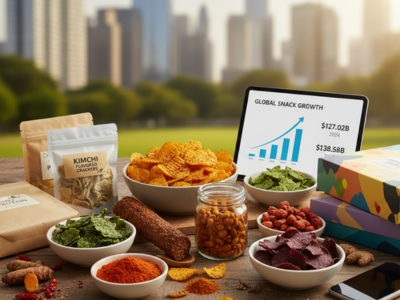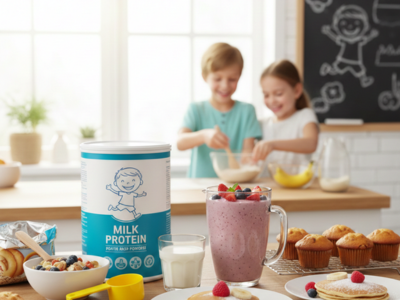

The U.S. natural foods industry is evolving rapidly as consumers demand healthier products that also save preparation time. Modern lifestyles increasingly revolve around speed, flexibility, and convenience. Consequently, the rise of convenience food is reshaping how Americans shop, cook, and consume natural products. Previously, natural foods mainly focused on fresh produce, organic grains, and minimally processed ingredients. However, today’s consumers expect ready-to-eat meals, frozen snacks, and functional beverages without compromising nutritional value. As a result, manufacturers now combine wellness, sustainability, and convenience into innovative product categories.
The growing popularity of convenience food reflects changing consumer habits, technological progress, and rising awareness regarding nutrition and environmental sustainability. Furthermore, younger generations actively seek healthier alternatives that align with their busy schedules and wellness goals.
The Growing Demand for Healthy Convenience
American consumers increasingly balance work, family responsibilities, and personal wellness goals. Therefore, convenience food products have become essential solutions for busy households. However, shoppers no longer accept traditional processed meals containing artificial ingredients and excessive preservatives. Instead, consumers prefer products with clean labeling, natural ingredients, and high nutrition. These factors have greatly influenced the development of the natural foods industry in the past few years. Moreover, the work-from-home trend has increased the demand for meal kits, ready-to-eat meals, and healthy packaged snacks.
Health-conscious buyers now carefully evaluate ingredient lists before purchasing products. Many consumers also prioritize products supporting immunity, gut health, energy, and mental wellness. Consequently, manufacturers are developing convenience food products with functional ingredients and reduced sugar, sodium, and artificial additives. The demand for healthier convenience options is especially strong among Millennials and Generation Z consumers. These younger demographics value both sustainability and nutrition. At the same time, they prefer foods requiring minimal preparation effort.
Convenience Food and the Rise of Plant-Based Innovation
Plant-based diets continue to revolutionize the natural foods market in the U.S. Consumers are choosing plant-based diets due to environmental concerns, health consciousness, and ethical reasons. Therefore, convenience food manufacturers are rapidly expanding plant-based offerings across multiple categories. Ready-to-eat vegan bowls, meat substitutes, high-protein snacks, and plant-based frozen meals are dominating grocery store shelves across the nation. Ingredients such as chickpeas, mushrooms, lentils, sunflower seeds, and pea proteins continue gaining popularity in packaged foods.
Additionally, plant-based convenience foods target flexitarians, individuals who are health-conscious but are not prepared to give up meat consumption yet. Thus, the larger customer base gives more potential opportunities to natural food brands. Food companies also enhance product quality and flavor profiles through modern food technologies. As a result, consumers enjoy convenient meals delivering both taste and nutrition. Also, manufacturers concentrate on sourcing materials from organic sources and use sustainable packaging to increase customer loyalty.
Functional Beverages Are Expanding the Market
Another factor that is growing significantly within the convenience food industry involves functional beverages. Consumers today are looking for beverages that can offer them other benefits apart from quenching their thirst. For instance, beverages that improve immunity, digestion, concentration, relaxation, and energy enhancement. Products containing probiotics, adaptogens, vitamins, and natural botanicals continue attracting strong consumer interest. Green tea, kombucha, coconut water, and protein-enriched beverages now appear regularly in convenience stores and supermarkets.
Moreover, health-conscious consumers are switching from sugary soft drinks to functional drinks that promote health goals. This transition encourages manufacturers to create naturally sweetened drinks with a cleaner ingredient profile. The trends in convenience foods also point toward rising requirements for nutritional drinks that are ready to drink. Consumers today want immediate products that provide high amounts of protein, fiber, and nutrients. Thus, beverages continue to be an important part of innovations in the natural foods industry.
Meal Kits and Ready-to-Eat Foods Gain Popularity
Meal kits are among the fastest-growing segments of convenience foods in the United States. They offer convenience while enabling consumers to cook healthy meals at home. Moreover, meal kits minimize food waste by providing pre-portioned ingredients and guided recipes. Meal kits appeal to consumers due to the convenience, nutritional benefits, and education about cooking that they provide. Professionals, remote workers, and young families particularly value these products.
At the same time, the market of frozen ready-to-eat meals is rising rapidly. Nonetheless, modern frozen convenience foods are very different from the classic frozen dinner options. Manufacturers now emphasize premium ingredients, global flavors, and clean-label formulations. The producers of natural foods have started marketing frozen products that contain organic vegetables, meat without antibiotics, and vegetable ingredients. Moreover, there is an increasing consumer demand for frozen foods based on exotic foods from other countries. This transformation demonstrates how convenience food can support both modern lifestyles and healthier eating habits simultaneously.
Clean Labels and Natural Ingredients Drive Consumer Trust
Transparency has become an important aspect in the natural food industry. Consumers increasingly research ingredients, sourcing practices, and manufacturing standards before making purchases. As such, clean-label convenience food products are leading innovations within the industry. Many customers tend to avoid artificial preservatives, artificial flavors, and too much sugar. They prefer foods that have natural ingredients with natural flavors. Furthermore, consumers tend to pay premium prices for health-friendly convenience products.
Manufacturers are responding by reformulating products using natural sweeteners, plant-based proteins, and organic ingredients. The use of honey, dates, berries, cinnamon, and yogurt is becoming more popular than refined sugar in packaged snacks and beverages. Moreover, there is an increase in marketing of sustainability along with the nutritional aspect of the products. Environmentally aware consumers encourage companies to focus on ethical sourcing, sustainable packaging, and minimum environmental impact.
Technology Is Reshaping the Convenience Food Experience
Technological developments keep affecting consumer behavior within the food sector. Grocery delivery services, food delivery apps, and digital meal plans have contributed significantly to making the convenience food market. Consumers now expect seamless shopping experiences combining digital accessibility with product personalization. Therefore, food companies increasingly invest in e-commerce platforms, AI-driven recommendations, and direct-to-consumer distribution strategies.
Furthermore, the use of such technologies in food processing also increases shelf life without necessarily reducing nutritional value. These technologies allow the development of healthy, convenient foods without changing their flavor and freshness. Packaging technologies, on the other hand, promote transparency and better consumer engagement through QR code systems, and nutritional information provides additional value for informed buyers.
The Future of Convenience Food in Natural Markets
The U.S. natural foods market continues to expand as consumers prioritize wellness, convenience, and sustainability simultaneously. Industry trends indicate strong long-term growth opportunities for natural and organic products across retail channels. In addition to this, future trends for convenience foods would probably be high-protein snacks, high-fiber meals, nutritional customization, and global tastes. Moreover, premium frozen meals and functional instant foods may continue gaining market share.
Manufacturers will need to continue making sure that they maintain this balance between convenience and health-oriented innovations. Consumers increasingly expect products delivering speed, nutrition, transparency, and sustainability in one solution. As lifestyles become increasingly fast-paced, convenient food will continue to play an important role in the evolution of the natural food industry. Firms that manage to combine wellness with convenience are poised to be responsible for the next generation of food innovation in the United States.