
Iron deficiency remains one of the most common nutritional disorders worldwide, affecting millions of individuals across different age groups. Therefore, early detection plays a crucial role in preventing complications and improving overall health outcomes. A ferritin test serves as an important diagnostic tool because it measures the body's stored iron levels accurately. Moreover, healthcare providers frequently recommend this assessment when patients experience symptoms associated with low iron reserves. Understanding the importance of a ferritin test can help individuals identify potential deficiencies before they develop into serious health concerns.
Understanding Ferritin and Its Importance
Ferritin is a protein that stores iron within the body's cells and releases it when additional iron becomes necessary. Consequently, ferritin levels reflect the amount of iron stored and available for essential physiological functions. Iron supports oxygen transportation, energy production, cognitive performance, and immune system function throughout the body. Therefore, maintaining healthy iron reserves remains essential for overall well-being and daily performance.
A ferritin test measures the concentration of ferritin in the blood and provides valuable information about iron storage levels. Unlike standard iron measurements, this test helps identify declining iron reserves before severe anemia develops. As a result, healthcare professionals often use a ferritin test as an early indicator of iron deficiency.
The Growing Burden of Iron Deficiency
Iron deficiency affects a significant portion of the global population and continues to represent a major public health concern. According to a nationally representative survey involving 8,021 adults in the United States, absolute iron deficiency affects approximately 14% of adults, while functional iron deficiency affects around 15% of adults. Furthermore, absolute iron deficiency occurs most frequently among younger women, whereas functional iron deficiency impacts both men and women across various age groups.
Several factors contribute to iron deficiency, including inadequate dietary intake, chronic blood loss, pregnancy, digestive disorders, and reduced nutrient absorption. Additionally, certain medical conditions can interfere with the body's ability to utilize iron effectively. Consequently, healthcare providers increasingly rely on a ferritin test to diagnose and monitor iron-related conditions accurately.
Why Older Adults Face Greater Risk
The aging population represents one of the groups most vulnerable to iron deficiency and anemia. As individuals grow older, the likelihood of developing anemia increases because of multiple health-related factors. Chronic diseases and iron deficiency remain the most common causes of anemia among older adults. Additionally, vitamin B12 deficiency, folate deficiency, and gastrointestinal bleeding frequently contribute to anemia in this population.
Research published by the National Center for Biotechnology Information indicates that anemia affects more than 10% of individuals over 65 years of age. Moreover, anemia occurs in more than 50% of people older than 80 years. Consequently, healthcare providers increasingly recommend a ferritin test for elderly individuals who exhibit symptoms associated with iron deficiency.
The global geriatric population continues to expand rapidly. According to projections from international demographic organizations, the worldwide population aged 65 years and older is expected to increase significantly by 2050. Therefore, the growing prevalence of iron deficiency among older adults is likely to increase demand for ferritin test procedures worldwide.
Symptoms That May Signal Iron Deficiency
Iron deficiency often develops gradually, making early symptoms difficult to recognize without proper medical evaluation. Common symptoms include persistent fatigue, weakness, dizziness, headaches, and reduced concentration during routine activities. Furthermore, some individuals experience shortness of breath, pale skin, brittle nails, and decreased physical endurance. In severe cases, iron deficiency can affect cognitive function, work productivity, and overall quality of life. However, these symptoms frequently overlap with other medical conditions. Therefore, healthcare providers often recommend a ferritin test to confirm whether low iron stores contribute to these health concerns.
How a Ferritin Test Works
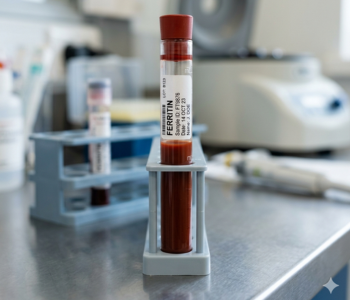
A ferritin blood test can be performed on any small blood sample from a patient in a laboratory or clinic setting. The test itself remains uncomplicated and minimal and can usually be completed within a few minutes. After collection, laboratory professionals analyze the blood sample and can then evaluate and measure it. Healthcare providers may also request additional blood tests alongside a ferritin test to gain a comprehensive understanding of a patient's iron status.
For instance, hemoglobin level, serum iron, transferrin saturation, and complete blood count can complement ferritin level results. Thus, by using a combination of results from different tests, a health care provider will provide an accurate diagnosis and an efficient treatment plan.
Understanding Ferritin Test Results
Ferritin is age- and sex-dependent, depends on health status, and also on laboratory reference standards. Low ferritin levels typically suggest depleted iron stores and can indicate iron deficiency or iron deficiency anemia. Healthcare professionals therefore seek possible causes, as well as suitable treatment options. High levels of ferritin may indicate infection, liver damage, inflammation, or other problems with health and thus are viewed alongside clinical signs and symptoms, the patient's medical history, and other results of the tests. This holistic approach improves diagnostic accuracy and ensures that patients are managed appropriately.
Benefits of Early Detection Through Ferritin Testing
There are many significant health benefits to early detection of iron deficiency. Most importantly, timely intervention can prevent the progression of anemia and its associated complications. Treatment can also enhance energy levels, physical performance, cognitive function, and general quality of life. The ferritin test helps healthcare providers detect declining iron stores before serious symptoms develop. This means patients can start treatment sooner with dietary changes, iron supplementation, or treatment of underlying medical conditions. Early intervention often results in better outcomes and faster recovery.
Maintaining Healthy Iron Levels
A diet that involves eating iron-rich foods and good nutritional intake is important for maintaining body iron stores. Good dietary sources of iron include lean red meat, fish, poultry, legumes, spinach, and iron-enriched cereals. The absorption of iron can be increased by eating foods rich in vitamin C, which will increase its nutritional value. Individuals diagnosed with iron deficiency are required to have treatment (which involves supplements and a follow-up regimen) as guided by the treating clinician. Ferritin levels are assessed periodically to determine whether the iron stores have reached their healthy level.
What Lies Ahead
Iron deficiency is a global health problem encountered at all ages, with particular prevalence in women and in the elderly. With an aging population, it is clear that the incidence of anemia is increasing and is likely to drive continued demand for diagnosis. A ferritin test, a measure of iron stores, is the initial step in establishing the diagnosis of iron deficiency prior to symptoms. Therefore, early testing, timely diagnosis with correct testing, and appropriate therapy lead to better health and an increased quality of life. Awareness of the increasing incidence of iron deficiency should encourage continued reliance upon the ferritin test in future healthcare.