
Hot flashes affect millions of women worldwide and often disrupt physical comfort, emotional balance, and daily activities. These sudden sensations of heat commonly occur during menopause. However, several medical conditions and lifestyle factors may also trigger hot flashes. Understanding their causes, symptoms, and treatments helps women manage symptoms confidently and improve long-term health outcomes.
According to the National Institutes of Health (NIH), hot flashes remain the most common menopausal vasomotor symptom among women worldwide. Research shows that nearly 74% of perimenopausal women experience hot flashes during hormonal transition periods. Additionally, around 65% continue experiencing symptoms for more than two years, while nearly 36% report symptoms lasting beyond five years. Approximately 75% of menopausal women in the United States also experience recurring hot flashes during menopause.
What Are Hot Flashes?
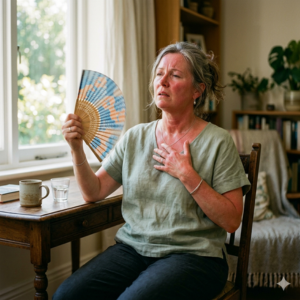
Hot flashes are sudden feelings of intense warmth that spread across the upper body. These episodes usually begin unexpectedly and last several minutes. Women often experience flushing, sweating, rapid heartbeat, and chills afterward. Some episodes remain mild, while others severely affect concentration and sleep quality. The body’s temperature-control system plays an important role during hot flashes. Hormonal fluctuations, especially declining estrogen levels, increase sensitivity within the hypothalamus. Therefore, the brain assumes that the body is overheated, and the cooling mechanism of sweating and dilation of blood vessels is triggered.
Many women experience hot flashes during perimenopause and menopause. However, younger women may also notice symptoms due to medical conditions, medications, or emotional stress.
Symptoms Associated With Hot Flashes
Hot flashes vary among women in accordance with their age, hormonal level, and general health status. Some experience an occasional sense of warmth, while others suffer from very uncomfortable sensations several times during a day.
Common symptoms include:
- Sudden warmth spreading through the chest, neck, and face
- Red or blotchy appearance of the skin
- Heavy sweating, especially around the upper body
- Increased heart rate
- Chills after sweating episodes
- Anxiety or irritability during episodes
Night sweats constitute nighttime hot flashes that disrupt sleeping and create fatigue during waking hours. Night sweats can eventually impact one's mood, memory, and ability to function effectively.
How Long Do Hot Flashes Last?
The duration and frequency of hot flashes vary considerably among women. Some women experience symptoms briefly during menopause, while others continue for several years afterward. Most episodes last between one and five minutes. However, severe cases may persist longer and interfere with professional and social activities. Studies indicate that many women experience hot flashes daily for seven years or more. In certain cases, symptoms continue beyond ten years. Women should monitor symptom patterns carefully. If they occur frequently with other health problems such as dizzy spells, weight loss, and fatigue, they need medical attention.
Impact of Hot Flashes on Women’s Health
Hot flashes affect more than physical comfort. Persistent symptoms can significantly influence emotional well-being, sleep quality, relationships, and workplace performance. Interrupted sleep remains one of the most challenging consequences. Women experiencing night sweats often wake repeatedly throughout the night. Consequently, poor sleep increases daytime fatigue, mood swings, irritability, and concentration problems.
Furthermore, some hot flashes cause embarrassment among women in both professional and social interactions. Many women have been seen avoiding outdoor activities due to the fear of embarrassing sweating episodes. Long-term emotional stress may eventually contribute to anxiety and reduced self-confidence. Therefore, women should seek medical support whenever symptoms begin affecting their daily functioning or mental health.
Diagnosis of Hot Flashes
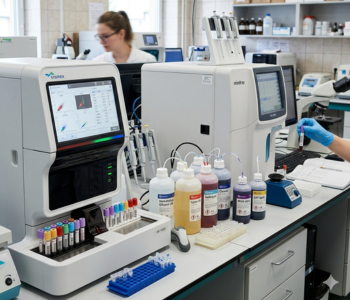
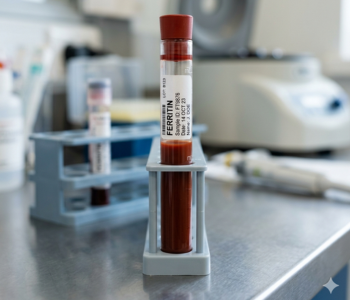
Diagnosis of hot flashes is generally based on symptoms and history. However, healthcare professionals may recommend blood tests to identify hormonal changes or exclude underlying medical conditions. The exact cause of symptoms can be determined by thyroid function tests, hormone tests, and medication review. Women with hot flashes that are more severe than normal may need further investigations to exclude infection, endocrine disorders, or certain cancers. Proper diagnosis helps in proper treatment and avoids unnecessary complications.
Treatment Options for Hot Flashes
Fortunately, several effective treatment options help manage hot flashes and improve overall quality of life. Treatment selection depends on symptom severity, medical history, and individual preferences.
- Hormone Therapy: Hormone replacement therapy is considered to be one of the best treatments for hot flashes during menopause. Estrogen therapy helps stabilize body temperature regulation and reduce symptom frequency. However, doctors carefully evaluate benefits and risks before prescribing hormone therapy.
- Non-Hormonal Medications: Some antidepressants, anti-seizure drugs, and hypertension drugs may help in managing hot flashes in women. In addition to that, some newer drugs act on temperature-regulating pathways in the brain. In May 2023, the U.S. Food and Drug Administration approved Veozah (fezolinetant), which is the first oral drug indicated for moderate to severe hot flashes in menopause. It is the first neurokinin 3 (NK3) receptor blocker to be approved for the treatment of menopausal vasomotor symptoms. The drug acts by inhibiting the NK3 receptors that play an important role in the body's temperature-regulating pathways. Consequently, Veozah helps reduce the frequency and intensity of hot flashes without using hormone therapy.
- Lifestyle Modifications: Lifestyle changes can sometimes help with symptom relief. Women should wear light clothing and keep the indoor temperature as cool as possible. Deep breathing exercises, yoga, and meditation also help relieve stress-induced hot flashes. Spicy foods, alcohol, caffeine, and smoking should be avoided because they intensify the symptoms. In addition, exercise will improve one’s mood and sleep and regulate hormone levels. Many women find it easier to effectively manage menopausal symptoms by maintaining a healthy body weight.
When Should Women See a Doctor?
Women should see their health care provider if hot flashes are severe or frequent or if they interfere with everyday life. Immediate medical attention is required for persistent night sweats, unexplained weight changes, chest discomfort, or severe anxiety. Especially important if symptoms develop before the age of forty, or if they are steadily getting worse. Early assessment helps with prompt treatment and identifies underlying conditions. Women should never ignore symptoms that affect sleep, emotional health, or everyday functioning.
Strategic Outlook
Hot flashes continue to be one of the most frequent symptoms among menopausal women. Although these episodes feel uncomfortable, effective treatments and healthy lifestyle changes can greatly improve symptom control. Understanding the causes and triggers of hot flashes helps women make better healthcare decisions. Being checked out early, listening to a doctor, and taking steps to prevent problems help women stay physically comfortable and emotionally well throughout each stage of their lives.
Recent medical breakthroughs, including the FDA’s approval of Veozah, also offer new hope for women seeking non-hormonal treatment options. Women with ongoing hot flashes should therefore seek professional medical advice as soon as possible. Proper treatment not only improves daily comfort but also helps support women’s long-term health and overall quality of life.