
What if the future of artificial intelligence isn’t sitting inside a massive, distant cloud, but resting right on your desk? For years, running complex algorithms meant renting expensive server space and dealing with frustrating network delays. But a structural pivot is underway toward localized, cloud-independent networks, highlighted by SOLAI completing its acquisition of a majority stake in NEURALAND.
By shifting processing power onto personal AI nodes, this new infrastructure model processes data exactly where it’s generated. It cuts out unpredictable subscription fees, eliminates data lag, and guarantees true privacy by keeping sensitive files behind your own firewall. In this blog, we’ll explore how these decentralized hardware systems optimize token costs and bring real-time intelligence straight to the edge. Ready to see how local computing blocks are reshaping enterprise networks? Let's dive in.
Why Personal AI Nodes Are Emerging as a New AI Infrastructure Model
Traditional computing architectures are hitting physical limits as millions of new users interact with smart applications daily. Having all queries handled by one single cloud causes serious data congestion problems that are very costly too. This has led to the fast rise of personal AI nodes, which offer a very feasible solution to this problem. Personal AI nodes refer to individual computing devices that have the ability to run machine learning applications directly.
This fresh approach represents a major milestone in ongoing AI infrastructure innovation. Rather than leasing cloud space endlessly, which can become quite costly, corporations can now buy their computing capacity. As such, a structure emerges where corporations have complete control over how they allocate their budgets on a day-to-day basis and even in terms of scheduling.
How Distributed AI Computing Can Reduce Dependence on Centralized Clouds
Relying solely on giant tech providers for processing power creates long-term financial risks for growing businesses. The cost of cloud computing can be extremely volatile, which makes it highly challenging for management to predict operating expenses in the future. Utilizing distributed artificial intelligence computing will enable companies to move away from such volatile subscription-based systems. Tasks can be shared across multiple devices locally in order to maximize data allowances.
This decentralized approach provides impressive token cost optimization benefits by processing information right where it is generated. This enables the avoidance of constantly sending huge volumes of data through internet connections to remote server farms. This results in savings on network costs as well as increased speed of performance. This freedom means that companies can conduct analysis continuously without the fear of cost hikes on the cloud.
The Role of Personal AI Hardware in Next-Generation AI Workloads
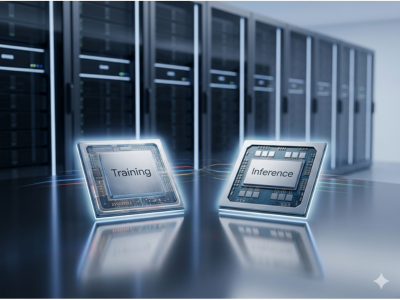
Modern machine learning models require specialized silicon chips that can handle intense mathematical calculations simultaneously. However, these machines are just not capable enough to handle such intricate and multi-step processes involving automation effectively. This has led to an immense development trend in personal hardware that would work towards handling AI deployment effectively. The reason is that these hardware systems are tailor-made for handling such operations effectively.
By utilizing optimized circuits, these specialized units deliver incredible processing speeds while drawing minimal electrical power. This emphasis on hardware will guarantee that the computers used by employees do not overheat or slow down other programs running in the workplace, due to their ability to manage advanced automation programs. These capabilities give businesses the power to perform complex tasks locally, without any reduction in efficiency.
AI Deployment at the Edge: Bringing Intelligence Closer to Users
The modern business environment demands instant answers, whether processing a financial transaction or running a factory floor. It becomes quite frustrating when users have to wait for their requests to be processed at a remote server. Shifting to an AI deployment strategy that incorporates the edge guarantees that the intelligence is right where the action takes place. The close location eliminates any network latencies.
Implementing edge AI computing allows smart devices to analyze incoming data streams instantly. An example is how surveillance cameras or even monitoring systems can instantly respond to any anomaly without relying on cloud authorization. This instant responsiveness is very crucial for timely enterprise applications. This helps ensure that relevant alerts can be raised and addressed within milliseconds.
How Personal AI Nodes Combine Hardware and Software for Local AI Processing
A truly effective local intelligence system requires absolute harmony between physical chips and internal operating software. If the coding does not do an adequate job at scheduling processes, having a speedy processor is completely pointless. Advanced personal AI nodes reach their optimum efficiency through the perfect synergy between the AI hardware and software. It allows for every single silicon to function at its maximum potential.
These integrated units feature pre-installed software libraries optimized for local AI processing tasks. Since these programs come inbuilt, there is automatic orchestration of workloads from AI to the best circuit possible. This ensures that even when many complex questions are being handled simultaneously, the system continues working seamlessly. Due to the creation of a common ecosystem, they ensure efficient performance without manual intervention.
The Growing Demand for Decentralized AI Infrastructure Solutions
Corporate technology officers are paying closer attention to data sovereignty and long-term infrastructure security. The transmission of company secrets or private customer information via third-party cloud servers represents a significant threat of non-compliance. The increasing concern has led to a relentless drive towards decentralized infrastructure solutions for AI applications. Companies want to have total control of the computers managing their digital assets.
This rising demand is reshaping the broader digital infrastructure investment landscape. Venture capital investors and company purchasers are investing a lot of money into edge intelligence tech firms. Constructing a distributed network provides an easy way for businesses to follow tough international privacy legislation. It provides a safe solution for increasing the company's computational capacity without compromising sensitive data.
Why Companies Are Investing in Personal AI Computing Platforms
Smart business leaders view technology investments through the lens of long-term value and operational freedom. Buying space on shared public servers provides a temporary fix but often creates vendor lock-in over time. Investing in proprietary personal AI computing platforms allows enterprises to build their own independent technology foundations. This ownership enables companies to customize their systems for specific business goals.
Furthermore, such investments will help the development of the entire AI environment due to the encouragement of hardware innovations. With an increasing number of businesses utilizing personal AI hardware, the cost of its components decreases, making it possible for small businesses to afford efficient systems. The use of such hardware enables businesses to create tailor-made automation tools for their needs.
How Edge-Based AI Networks Could Reshape Enterprise and Consumer Applications
Connecting individual local units creates a highly sophisticated web of distributed intelligence. These edge-based AI networks allow separate devices to share learned insights without exchanging raw, private data. This collaborative structure opens up exciting possibilities for both complex enterprise software and daily consumer applications. Smart devices can collaborate effectively to address larger issues in an efficient manner.
From an enterprise perspective, the use of intelligent computing systems can facilitate optimized logistics by instantaneously processing local warehouse information. From a consumer perspective, this translates into benefiting from advanced digital assistants that learn individual behavioral patterns without having personal data uploaded online. Such developments will lead to a tidal wave of AI trend developments across various industries.
The Future of AI Deployment Beyond Traditional Data Centers
The historical era of relying entirely on giant, centralized server farms to power global intelligence is drawing to a close. The future of AI deployment belongs to flexible, distributed systems that put processing power directly into the hands of users. This profound transition clears a smooth path for highly sustainable AI compute models that protect both budgets and power grids.
Embracing these decentralized computing systems allows modern enterprises to navigate the complex digital landscape with absolute confidence. Anchoring your corporate technology roadmap around standalone personal AI nodes today ensures your business remains agile, secure, and incredibly efficient. This progressive approach positions your organization at the absolute forefront of the ongoing AI infrastructure transformation.