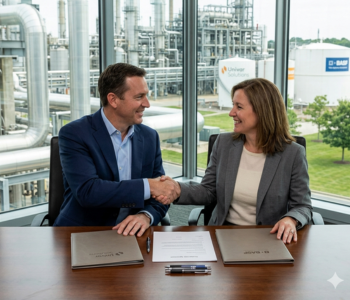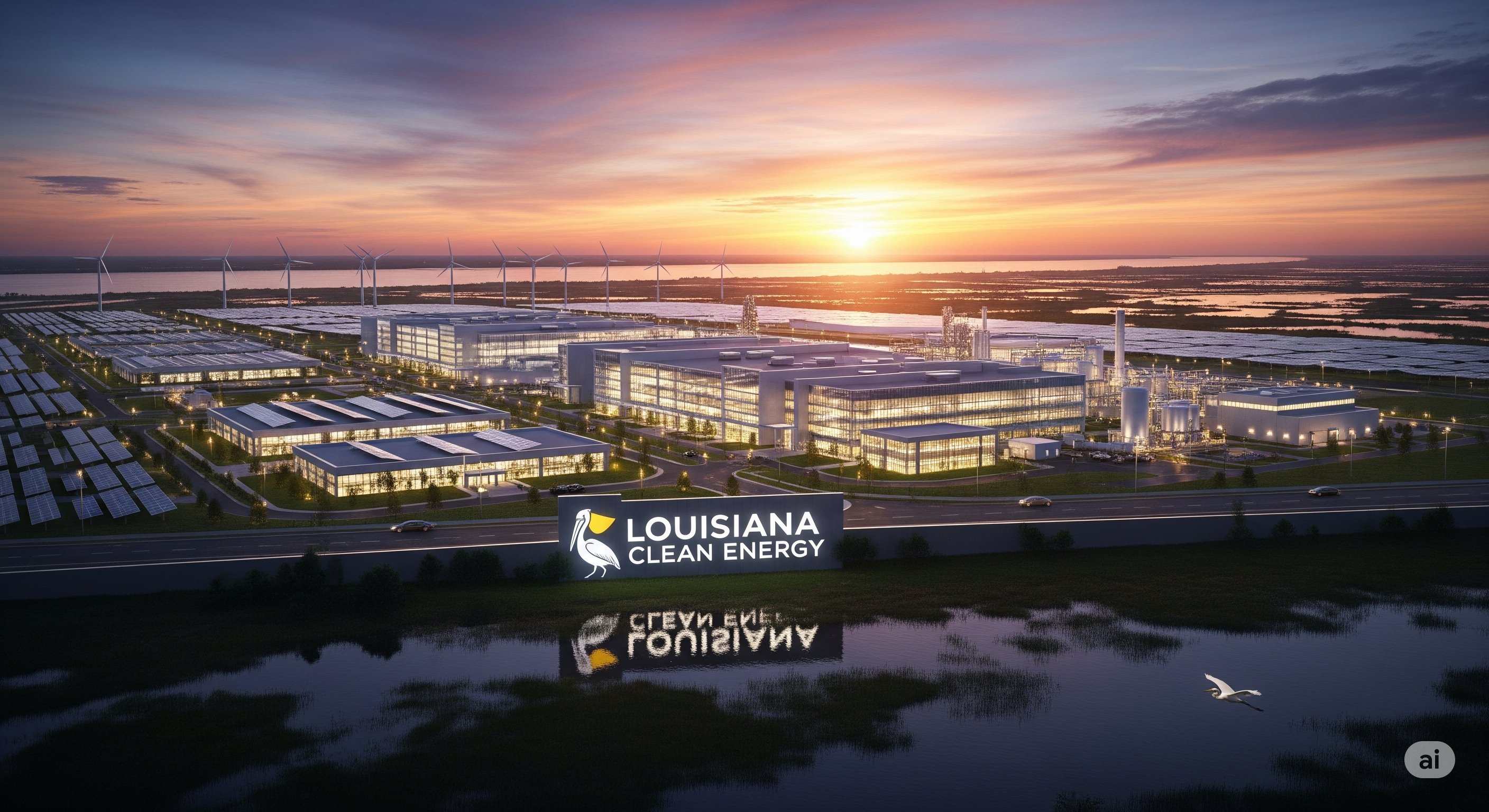

In a major step toward a clean energy future, Linde has signed a long-term agreement with Blue Point Number One. This joint venture includes CF Industries, JERA, and Mitsui & Co. Together, they will supply essential industrial gases to a large low-carbon ammonia plant in Ascension Parish, Louisiana.
As a result, this partnership marks a key milestone in the United States’ clean energy transition and industrial decarbonization.
The facility will produce 1.4 million metric tons of low-carbon ammonia each year, making it one of the largest of its kind globally. Consequently, the project strengthens Louisiana’s position as a clean energy hub. Moreover, it proves how large-scale collaboration can create both environmental and economic value.
To support this initiative, Linde will invest over $400 million to build, own, and operate a state-of-the-art air separation unit. This facility will supply oxygen and nitrogen directly to the site. In doing so, Linde will expand its strategic footprint in the rapidly growing Mississippi River industrial corridor.
Notably, this will become the largest air separation unit in the region. It will enhance Linde’s Gulf Coast network, which includes multiple production plants and a vast pipeline system. Together, these assets support the delivery of hydrogen, syngas, and other key gases for clean energy and chemical manufacturing.
Furthermore, the Blue Point project aligns with rising global demand for ammonia as a low-carbon energy carrier. Leading energy and chemical companies back the initiative, reinforcing its strategic importance. As more nations shift to cleaner fuels, they are better positioned to meet climate goals and reduce their reliance on fossil fuels.
Christopher Bohn, Executive Vice President at CF Industries, emphasized the value of dependable partners in projects of this scale. He highlighted Linde’s strong track record and long-standing commitment to clean energy as driving factors behind the collaboration.
Similarly, Sean Durbin, Linde’s Executive Vice President for North America, shared his pride in advancing the low-carbon ammonia value chain. This unit marks Linde’s third air separation facility connected to an autothermal reforming plant, following successful projects in Texas and Canada.
Linde continues expanding its Gulf Coast operations with targeted investments. This expansion enables greater network capacity and operational flexibility. Consequently, the company can better meet increasing demand for industrial gases across the clean fuels, manufacturing, and petrochemical sectors—all actively working to reduce emissions.
Ultimately, this collaboration reflects Linde’s core mission: to improve productivity through advanced technologies, expert engineering, and sustainable infrastructure. In addition, the company remains focused on helping customers achieve their decarbonization goals while maintaining a consistent supply of essential gases.
Linde serves a wide range of global industries. These include clean hydrogen, carbon capture, healthcare, electronics, and food processing. Therefore, the company plays a key role in both established and developing markets.
As public and private sectors intensify their climate commitments, partnerships like the one between Linde and Blue Point showcase what’s possible. Through innovation and investment, they are delivering scalable, profitable, and sustainable solutions that benefit both the economy and the planet.
With its deep expertise and strong U.S. infrastructure, Linde is well-positioned to drive the low-carbon economy forward. Its leadership in large-scale projects like Blue Point reflects its reliability, vision, and unwavering commitment to the global energy transition.