
Quitting smoking is one of the most significant steps you can take to improve your health and well-being. However, most people who try quitting without support struggle to overcome intense cravings and withdrawal symptoms. Nicotine replacement therapy provides an effective pathway by relieving physical dependence, enabling you to focus on changing habits and behaviors.
Nicotine replacement therapy refers to products that deliver nicotine without the harmful chemicals found in tobacco. Therefore, it helps reduce the discomfort associated with nicotine withdrawal and makes smoking cessation more achievable. Essential support, such as counseling and structured quit plans, can improve success rates even more.
What Is Nicotine Replacement Therapy
Nicotine replacement therapy (NRT) gives you controlled amounts of nicotine through products such as patches, gum, inhalers, lozenges, or nasal sprays. These products are designed to reduce withdrawal symptoms and nicotine cravings after you stop smoking. By substituting the rapid nicotine spikes caused by smoking with a slower, steadier dose, NRT helps your body adapt without the many toxic substances found in tobacco smoke. This reduces the physical urge to smoke and supports long-term cessation.
Many studies show that using nicotine replacement therapy can nearly double your chances of quitting successfully compared with trying to quit without any support.
Why Use Nicotine Replacement Therapy
Reducing Physical Withdrawal and Cravings
When you stop smoking, your body reacts to the sudden absence of nicotine. Withdrawal symptoms such as irritability, anxiety, and intense cravings often undermine quit attempts. By delivering measured amounts of nicotine, NRT helps your body adjust gradually without the harmful effects of tobacco.
Supporting Behavioral Change
Although nicotine replacement therapy addresses the physical side of addiction, successful quitting also requires psychological readiness. Combining nicotine replacement therapy (NRT) with counseling or behavior change programs can significantly enhance your chances of maintaining long-term cessation, which means quitting smoking for good.
Increased Success Rates
Research demonstrates that people who use nicotine replacement therapy in the context of a quit plan are more likely to stay smoke-free compared with those who try quitting on their own. The combination of steady nicotine delivery and behavioral support creates a comprehensive quitting strategy.
Types of Nicotine Replacement Therapy
Nicotine replacement therapy comes in several forms, each with unique advantages. Understanding how each works helps you choose the best option for your lifestyle and smoking patterns.
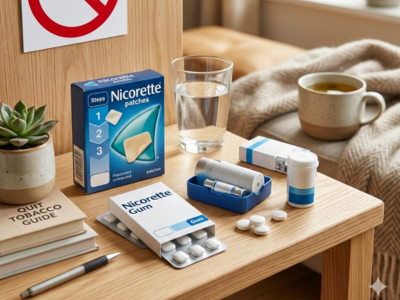
1. Nicotine Patches
Nicotine patches release a steady level of nicotine through the skin over 24 hours. This reduces baseline cravings and supports daily functioning during the early stages of quitting. Patches are convenient and simple to use, making them a popular first choice.
Tips for Using Patches:
- Apply to clean, dry skin each morning.
- Rotate placement sites to avoid irritation.
- Follow dosage reduction schedules as recommended by health professionals.
2. Nicotine Gum
Nicotine gum provides more flexible dosing and allows you to control your nicotine intake when cravings strike. The gum releases nicotine through the mouth lining, which can ease sudden urges to smoke.
Tips for Using Gum:
- Chew slowly until you feel a tingling sensation.
- “Park” the gum between your cheek and gum to release nicotine gradually.
- Avoid eating or drinking acidic beverages 15 minutes before use.
3. Nicotine Lozenges
Lozenges are convenient, discrete lozenges that dissolve in the mouth to deliver nicotine. They work similarly to gum but require no chewing.
Tips for Using Lozenges:
- Use according to a structured dosing schedule, such as every 1‑2 hours initially.
- Do not exceed recommended daily limits.
- Move the lozenge around to ensure steady nicotine absorption.
4. Nicotine Nasal Spray and Inhalers
These products deliver nicotine quickly and are available by prescription. They help manage strong cravings and mimic hand-to-mouth habits associated with smoking.
Key Considerations:
- Use nasal sprays as directed by your provider.
- Inhalers require specific puffing techniques for optimal benefit.
Best Practices for Using Nicotine Replacement Therapy
- Combine With Behavioral Support: Nicotine replacement therapy by itself helps with physical symptoms, but combining it with counseling or quit programs increases long-term success. Structured support can help you identify triggers and develop coping strategies.
- Start Early: Begin your chosen nicotine replacement therapy as soon as you quit smoking. Early use helps reduce early withdrawal symptoms, which are often the most intense.
- Follow Dosage Instructions: Each form of nicotine replacement therapy has specific instructions. Following manufacturer and health professional guidance helps you avoid side effects and taper off nicotine safely.
- Monitor and Adjust: If a product causes irritation or discomfort, speak with your healthcare provider about alternatives or dose adjustments. Customizing your plan improves comfort and adherence.
The smoking cessation aids market is largely propelled by growing global awareness of the health risks associated with smoking, stringent government anti-tobacco regulations, and the expanding use of nicotine replacement therapy (NRT) alongside prescription treatments. The Insight Partners' industry analysis projects the Smoking Cessation Aids Market to reach a value of US$ 153.42 billion by 2034. According to a global report, the WHO European Region exhibits the highest prevalence of tobacco use worldwide, with a concerning increase in e-cigarette consumption among young people.
Safety and Important Considerations
Although nicotine replacement therapy is safer than smoking, it’s important to use products correctly. Avoid using NRT while still smoking, and be cautious if you have health conditions such as heart disease. Keep all products out of reach of children and pets, as nicotine can be toxic in concentrated forms. If you notice any overdose symptoms, such as nausea or a rapid heart rate, please reach out to a healthcare provider right away.
Conclusion: Achieving Lasting Smoking Cessation
Quitting smoking is a journey that requires persistence, planning, and support. Nicotine replacement therapy offers a scientifically validated path to managing dependence and overcoming physical withdrawal symptoms effectively. By choosing the right NRT (nicotine replacement therapy) products, pairing them with behavioral support, and following personalized guidance, you can significantly improve your chances of quitting successfully and maintaining a smoke-free life. Remember, each step you take brings you closer to improved health and long-term freedom from nicotine addiction.