
Samsung expects its profit to triple, fueled by strong demand linked to the Samsung AI boom. The company projects fourth-quarter operating profit of nearly 20 trillion won, more than tripling last year’s 6.49 trillion won. This figure would surpass its previous record of 17.6 trillion won set in 2018. Revenue is forecast to rise to approximately 93 trillion won, marking a significant year-over-year increase.
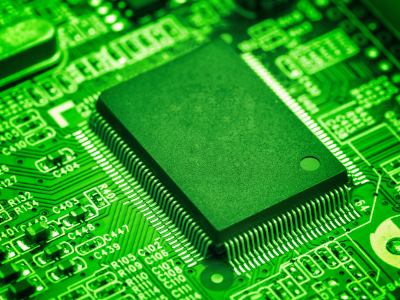
The surge reflects a sharp rebound in global semiconductor markets. Consequently, memory chip prices have soared amid tight supply and growing AI-driven demand. Analysts report DRAM prices jumped 40–50% in the last quarter, while NAND prices rose about 20%. These gains underscore how the Samsung AI boom is reshaping the memory industry. Samsung’s chip division now drives most of its profits, reinforcing its leadership in advanced memory solutions.
Meanwhile, Samsung shares have responded positively to the forecast. The stock climbed slightly after the announcement, continuing a strong upward trend over the past year. Investors remain optimistic, as analysts raise price targets amid expectations of sustained growth. However, some caution persists regarding potential volatility in component costs and global demand cycles.
Furthermore, Samsung has accelerated production of high-end memory chips, including HBM for AI servers. The company recently delivered HBM4 samples to major clients like Nvidia, signaling readiness for next-generation AI workloads. Analysts predict HBM shipments could triple in the coming year, further boosting Samsung’s competitive edge. This strategic focus positions Samsung as a key supplier for hyperscalers and cloud providers investing heavily in AI infrastructure.
Industry experts describe the current memory market as entering a “hyper-bull” phase. They believe this cycle could surpass previous peaks and last several years. Forecasts from leading research firms suggest the uptrend may continue through 2027, driven by AI adoption across industries. Clearly, the Samsung AI boom is fueling unprecedented demand for advanced chips, creating opportunities and challenges alike.
Nevertheless, risks remain. Rising component costs could pressure other divisions, such as smartphones and consumer electronics. Samsung executives have acknowledged potential supply constraints and warned of price increases for certain products. Balancing profitability in semiconductors with stability in other segments will be critical for long-term success.
Consumer demand for AI-powered devices also adds complexity. While enthusiasm for innovation is strong, some analysts question whether growth can be sustained at current levels. Market dynamics, geopolitical factors, and economic conditions could influence future performance. Therefore, Samsung must remain agile to navigate these uncertainties while capitalizing on the AI-driven surge.
In conclusion, Samsung’s forecast reflects a transformative moment for the company and the tech industry. Record profits underscore the impact of AI on global markets. Yet, sustaining this momentum will require strategic execution, operational resilience, and continued investment in cutting-edge technologies. Samsung must also address privacy concerns, supply chain risks, and competitive pressures from rivals like SK Hynix and Micron. If Samsung manages these challenges effectively, the Samsung AI boom could secure its leadership for years to come. The coming quarters will reveal whether this surge becomes a lasting advantage or a temporary spike. Ultimately, Samsung’s ability to innovate while maintaining trust will define its future in the AI era.