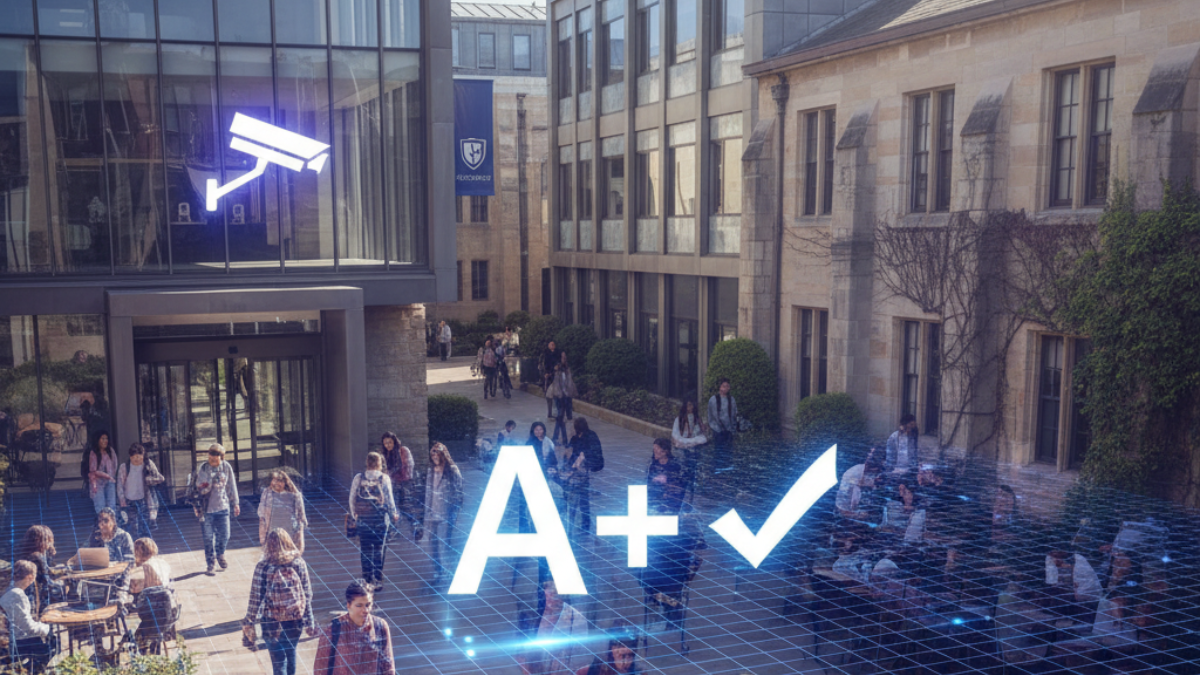

When students enroll, they expect lessons in math, art, and maybe philosophy. But today, every institution needs another essential course, Security 101. The reality is that School and Campus Security is no longer a background concern. It’s a primary subject every administrator, parent, and student should understand. After all, a safe campus isn’t just peaceful, it’s powerful.
Let’s unpack why safety deserves its own syllabus, what the latest trends are, and how campuses can earn an A+ in security.
The Modern Campus: A New Kind of Classroom
Walk across any modern campus, and you’ll see more than students with backpacks. You’ll notice smart cameras, secure entry systems, and ID scanners. Technology has quietly become part of the architecture of trust.
However, the balance between openness and protection is tricky. Campuses thrive on freedom and creativity. Yet, they must also defend against growing risks, from intruders to cyber threats. Hence, School and Campus Security has evolved into a complex discipline that merges technology, policy, and human behavior.
The modern university or school must act like a small city. It manages thousands of people, open spaces, and high-value assets. Therefore, effective security isn’t optional; it’s operational.
From Hall Passes to High-Tech Protocols
Remember when security meant a teacher at the door and a hall pass system? Those days are over. Today’s School and Campus Security strategies include access control, AI surveillance, and even predictive analytics.
While this might sound futuristic, the transformation makes sense. Threats have become smarter and more unpredictable. Consequently, campuses must match innovation with innovation. For example, smart ID badges now integrate with attendance systems. Security cameras link with real-time alert networks. Even lighting systems respond dynamically to unusual movements.
The result? A campus that doesn’t just react but anticipates. Still, technology alone can’t carry the load. Security also relies on culture, awareness, and consistent training. When staff and students know what to do, safety becomes second nature.
The Human Element: Everyone’s on the Roster
Technology may monitor, but humans make decisions. That’s why the strongest School and Campus Security programs treat every person as part of the solution. Security awareness starts with communication. Clear instructions and regular drills help transform confusion into calm during emergencies. In fact, many schools now run “Safety Orientation Week” just like academic orientation. It’s a simple way to integrate safety into campus life.
Faculty also play a crucial role. Professors notice patterns, students, and spaces that algorithms might miss. They act as early warning systems when something feels off. Similarly, student leaders can champion peer safety. They can use social media, posters, or student apps to share alerts and encourage responsible behavior. After all, safety shouldn’t feel imposed; it should feel shared.
Smart Tech, Smarter Strategies
Let’s be honest: technology in School and Campus Security can be both exciting and intimidating. From facial recognition to biometric access, schools are investing heavily in innovation. AI-powered cameras can now detect unusual activities, unattended bags, or restricted area breaches. Meanwhile, connected alarm systems can trigger lockdowns automatically within seconds.
However, these systems must be used wisely. Without clear rules, technology can easily cross into surveillance territory. Privacy concerns often arise when schools over-monitor students or staff. So, transparency is key. Campuses should clearly state what data they collect, why they collect it, and how they protect it.
Additionally, cybersecurity must never be overlooked. Hackers can target school databases to steal sensitive data. A well-guarded gate means little if the digital door is wide open. Therefore, security policies must cover both the physical and virtual worlds.
Lessons from the Field: What Works
Several case studies highlight what good School and Campus Security looks like. For instance, one large university implemented a layered approach. They combined physical upgrades, like electronic locks and improved lighting, with digital tools such as real-time monitoring apps. The results were striking: response times dropped by 40%, and overall incident rates fell.
Another school adopted a “see something, say something” initiative through a mobile platform. Anonymous reporting encouraged more students to share concerns. The initiative increased trust and made students feel empowered.
These examples prove that safety doesn’t require fear; it requires structure and participation.
Training: The Core Curriculum
No syllabus is complete without lessons, and security is no different. Training should include everyone: teachers, staff, security officers, and even students. Workshops on first aid, emergency communication, and cyber hygiene go a long way. When campuses treat training as part of daily learning, response becomes instinctive.
For instance, schools can use short micro-learning sessions. These 10-minute briefings can focus on specific topics like “Handling Suspicious Packages” or “Online Safety Basics.” Regular repetition keeps knowledge fresh and useful.
Moreover, leadership must set the tone. Administrators who attend training sessions signal that safety matters at every level. That shared commitment transforms policy into practice.
Designing Safety into the Campus Blueprint
Security should not be an afterthought. Instead, it should be part of the design process. Modern architects and planners now work closely with School and Campus Security experts. Together, they design spaces that are both inviting and secure.
Simple design tweaks can improve visibility and reduce blind spots. Strategic lighting discourages intrusions. Clearly marked emergency exits ensure faster evacuations. Even landscaping can contribute by creating open sightlines without compromising aesthetics.
Such integration shows that safety and beauty can coexist. A secure campus can still be inspiring, creative, and vibrant.
Communication: The Safety Signal
When emergencies strike, information is the most powerful tool. An effective School and Campus Security strategy includes clear communication systems. Multi-channel alerts, via text, app, siren, and email, ensure messages reach everyone instantly.
However, communication shouldn’t only happen during a crisis. Regular updates keep the community informed and engaged. Sharing success stories, new measures, or even small safety reminders builds a culture of trust.
Transparency transforms security from a rulebook into a relationship.
The Cost of Safety: Investment or Expense?
Budgets often spark debate. Should schools invest heavily in security when resources are already tight? The answer lies in perspective. Security is not an expense; it’s insurance for learning. Without safety, education cannot thrive. When students and staff feel secure, focus improves, performance rises, and retention strengthens. Data supports this: institutions with proactive School and Campus Security programs report higher satisfaction and lower absenteeism rates.
Moreover, security investments pay off in reputation. Parents, donors, and accreditation bodies look favorably on safe institutions. The peace of mind it brings is priceless.
Balancing Safety and Privacy
One of the most delicate challenges today is finding balance. While schools must protect, they must also respect. Cameras, tracking systems, and data analytics can save lives, but they can also erode trust if used without consent.
Therefore, ethical guidelines are essential. Schools should involve students and staff in decision-making about surveillance policies. Open forums and feedback sessions create shared accountability.
When privacy and safety walk hand in hand, the campus truly becomes a community.
The Future of School and Campus Security
So what’s next on the syllabus? Expect more integration and intelligence. AI will predict risks before they occur. IoT devices will communicate seamlessly. Drones might patrol large areas efficiently. Yet, human judgment will remain central.
The best future systems will blend empathy with efficiency. They’ll empower people rather than simply monitor them. In the coming decade, School and Campus Security will be less about barriers and more about resilience.
The future campus won’t feel like a fortress; it’ll feel like a family that knows how to protect itself.
Final Exam: Passing with Confidence
Safety isn’t a one-time lesson; it’s a lifelong subject. Schools that treat security as part of their culture, not just compliance, build trust that lasts generations. They graduate not only scholars but also responsible citizens who understand awareness and preparedness.
So, if campuses ever needed a new syllabus, this is it. Security 101 isn’t just another course. It’s the foundation on which every other subject safely stands.
Because when schools secure their people, they secure their purpose.