“Objects in the mirror are closer than they appear.” That familiar line on car mirrors is meant as a safety reminder. But in the age of artificial intelligence and the Internet of Things, the phrase deserves an upgrade. Today, objects in the mirror are smarter than they appear. Thanks to smart mirror technology, your reflection has evolved into something far more interactive, insightful, and intelligent than a simple glass surface.
Welcome to the world where mirrors don’t just reflect your face, they reflect your data, your habits, and sometimes even your health.
The Rise of Reflective Intelligence
A few years ago, mirrors were among the last things we’d imagine turning “smart.” After all, how much innovation could you squeeze into a shiny rectangle? But as homes become more connected, smart mirror technology has transformed what was once a passive household object into a responsive digital assistant.
These futuristic mirrors integrate AI, IoT, and augmented reality to create experiences that go far beyond reflection. They can display weather updates, suggest makeup tutorials, guide your workouts, or even analyze your skin health. It’s as if your mirror suddenly got a master’s degree in multitasking.
The smart mirror industry is also reflecting strong market growth. Analysts predict steady expansion driven by the booming smart home sector and consumer demand for personalized tech. In essence, mirrors have joined the conversation, literally.
How Smart Mirror Technology Works
At its core, smart mirror technology combines a reflective surface with a digital display and an intelligent interface. A typical setup includes sensors, voice recognition software, and connectivity to the home network. The result? A mirror that responds to you.
When you step in front of it, motion sensors trigger the display. You can check the time, see your calendar, read news headlines, or adjust lighting. AI integration allows the mirror to adapt to your habits. For instance, if you always ask for weather updates in the morning, it can begin showing them automatically.
Some models even include biometric sensors that monitor your heart rate or posture. Fitness-focused mirrors like Mirror by Lululemon or Tonal help you train with virtual instructors. Meanwhile, beauty-focused smart mirrors such as HiMirror assess your skin condition and recommend skincare products.
A Reflection of Innovation
It’s not just about function; it’s about lifestyle enhancement. Smart mirror technology bridges convenience, personalization, and aesthetics in one sleek form. In bathrooms, it becomes your grooming companion, in bedrooms, it’s your personal stylist, and for gyms, it’s your fitness trainer.
Here’s where the wit meets wonder. Imagine asking your mirror, “How do I look?” and getting an honest answer, perhaps even supported by data. The same AI that powers facial recognition could evaluate your sleep quality by analyzing eye puffiness. It sounds like science fiction, but it’s already within reach.
These mirrors can also sync with other smart devices, adjusting lighting or thermostat settings based on your routines. As part of the larger smart home ecosystem, they make daily life smoother and more reflective, both literally and figuratively.
Smart Mirrors in Everyday Life
Let’s explore some scenarios that illustrate how smart mirror technology enhances modern living:
1. The Morning Multitasker
You walk into your bathroom, and your smart mirror greets you. While you brush your teeth, it shows your schedule, traffic updates, and weather forecast. It even reminds you of that morning meeting you almost forgot. Start your day informed, organized, and smug.
2. The Fitness Coach
In your living room, a full-length mirror doubles as a virtual trainer. It guides your yoga session, corrects your posture, and tracks your progress over time—no gym membership required. You get instant feedback, which boosts both motivation and results.
3. The Beauty Advisor
Before a night out, your mirror analyzes your skin and lighting conditions. It recommends the right makeup shades or skincare products. Some systems even simulate different looks using augmented reality. The result? A personalized beauty experience that feels futuristic but practical.
4. The Wellness Monitor
Health-oriented mirrors can measure metrics like body composition and heart rate. Over time, they compile data to show trends in your physical health. For those managing fitness goals or chronic conditions, it’s a smart assistant that literally reflects progress.
The Business of Smart Reflection
From a market perspective, smart mirror technology is poised for strong growth. Analysts expect significant expansion in residential, retail, and automotive applications. In retail, smart mirrors enhance shopping experiences through virtual try-ons and personalized recommendations. They reduce the need for physical fitting rooms and improve inventory efficiency.
Hotels and wellness centers are also adopting smart mirrors to enhance guest experiences. Imagine checking into a hotel and being greeted by a mirror that welcomes you by name, shows room controls, and even offers spa booking options.
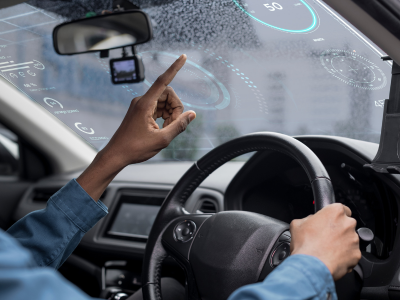
Automotive applications are another fast-growing segment. Smart rearview mirrors now incorporate cameras, blind-spot displays, and AI-based safety alerts. The “smarter than they appear” line suddenly becomes literal on the road.
Challenges Behind the Glass
Of course, every shiny surface hides a few smudges. While smart mirror technology is exciting, it raises important questions about privacy and data security. Mirrors equipped with cameras and sensors collect personal information, from facial scans to health data. Ensuring that data remains safe and anonymous is crucial for consumer trust.
Cost is another consideration. Smart mirrors are still premium products, often priced beyond the average consumer’s reach. However, as technology matures and production scales, prices are expected to drop, just as they did for smart speakers and thermostats.
Another challenge lies in usability. A mirror should remain intuitive. Overcomplicating the interface risks turning a simple ritual into a frustrating experience. The best smart mirrors balance sophistication with simplicity.
Reflections on Design and Aesthetics
One of the most appealing aspects of smart mirror technology is its seamless integration into modern interiors. Designers are blending technology with minimalism to create mirrors that look elegant even when powered off. Unlike bulky gadgets, these devices merge functionality with form.
For interior designers and architects, smart mirrors represent a new design frontier. They allow walls and surfaces to serve both decorative and functional purposes. The line between art, architecture, and technology continues to blur, quite literally.
The Future Looks Bright (and Polished)
What does the future hold for smart mirror technology? Expect even deeper AI integration and more natural user interactions. Future mirrors could use emotional recognition to adjust lighting or music based on your mood. They might connect to healthcare providers, offering early health insights through visual cues.
We can see mirrors acting as central smart home hubs, controlling lighting, climate, and entertainment from one reflective surface. In a few years, the phrase “checking yourself in the mirror” might mean checking your schedule, your fitness stats, and your wellness plan all at once.
A Reflection on Human Behavior
At a deeper level, smart mirrors reveal something profound about our relationship with technology. Humans have always been fascinated by their reflections, from ancient bronze mirrors to selfie cameras. Smart mirror technology is simply the next evolution of that curiosity, an attempt to merge self-awareness with self-improvement.
But it also invites reflection, pun intended, on how far we want our devices to know us. Do we want a mirror that complements us, or one that challenges us? As with all technology, balance will be key.
Final Thoughts: Reflections of a Smarter World
As AI and IoT continue to reshape our daily lives, mirrors are stepping into the spotlight as intelligent companions. They entertain, inform, and sometimes even advise us. “Objects in the mirror are smarter than they appear” is no longer a warning; it’s a promise.
Smart mirror technology is more than a novelty. It’s a symbol of how ordinary objects can evolve through innovation. Whether helping you get ready, stay fit, or stay informed, these mirrors remind us that technology’s true power lies in reflection, not just of our faces, but of our potential.