Testicular cancer is a serious yet highly treatable condition that requires awareness, early detection, and timely medical intervention for better outcomes. Moreover, understanding testicular cancer helps men recognize symptoms early and seek prompt care, which significantly improves survival rates and treatment success.
Testicular cancer develops in the testicles, which produce sperm and testosterone, playing a crucial role in male reproductive health. Additionally, this disease primarily affects younger men, especially those between 15 and 45 years, making awareness even more important.
Although testicular cancer is relatively uncommon compared to other cancers, it remains the most frequent cancer among young adult men globally. Therefore, men must stay informed about their warning signs, causes, and available treatments to ensure early diagnosis and effective care.
Understanding Testicular Cancer
Testicular cancer occurs when abnormal cells grow uncontrollably in the testicles, forming a tumor that may spread to other body parts. Furthermore, these cancer cells often originate in germ cells, which are responsible for producing sperm in the testes.
In many cases, testicular cancer progresses rapidly; however, it responds exceptionally well to treatment, even in advanced stages. Consequently, early detection remains one of the most important factors in achieving a favorable prognosis for patients.
Common Symptoms of Testicular Cancer
Recognizing the symptoms of testicular cancer is essential because early-stage detection significantly increases the chances of successful treatment and recovery. Most importantly, the symptoms often appear subtly and may be mistaken for less serious conditions. The most common symptom of testicular cancer is the presence of a painless lump or swelling in one testicle. Moreover, men might experience the sensation of heaviness in their scrotums, along with a dull pain in their abdomens and groins.
Some additional signs of testicular cancer may be the occurrence of sudden fluid buildup in the scrotum, as well as pain in the testicles and backache. In addition, a few patients might also suffer from tender breasts due to hormones produced by some tumors. Since these symptoms may indicate another underlying condition, it is vital to seek medical attention if these signs persist for longer than two weeks. Consequently, early assessment will help to exclude other health problems and provide medical intervention.
Causes and Risk Factors
The exact cause of testicular cancer remains unclear; however, researchers have identified several risk factors that may increase its likelihood. In most cases, genetic mutations in testicular cells lead to uncontrolled growth and tumor formation. One of the major risk factors for testicular cancer is cryptorchidism or an undescended testicle, which makes a man at high risk of developing cancer regardless of undergoing corrective surgery. Additionally, a family history of testicular cancer raises the chances of developing the disease.
Age is another factor that plays a critical role, as the condition mostly occurs in adolescents and younger men. In addition, some groups of people are more susceptible to testicular cancer than others; however, men of any background. Despite these risk factors, however, many men who suffer from testicular cancer lack an identifiable cause, which underlines the significance of consistent self-awareness and routine medical examinations.
Diagnosis and Screening
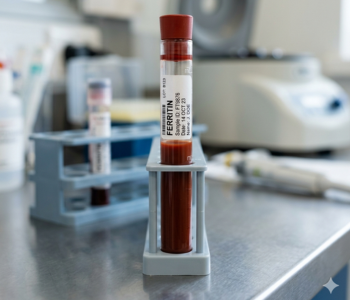
Diagnosis of testicular cancer is made through self-examination and medical examination. This leads to better detection and better outcomes for patients. Hence, men should be knowledgeable about the size and texture of their testicles. During a diagnosis, a physician usually starts with a physical examination and then proceeds with ultrasounds to assess the presence of any abnormalities. Moreover, blood tests can indicate whether there are any tumor markers for testicular cancer.
In most cases, when there is a possibility that one has cancer, surgery becomes necessary, whereby the testicle needs to be excised to verify the diagnosis and prevent any metastasis. Therefore, early medical involvement is crucial for treatment success.
Treatment Options for Testicular Cancer
The treatment of testicular cancer is based on the type, stage, and extent of the illness, as well as the general health status of the patient. Nevertheless, the majority of patients are effectively treated using conventional methods. The main method of treatment is surgery, which is performed by removing the diseased testicle in a procedure referred to as orchiectomy. Moreover, if necessary, adjacent lymph nodes can be surgically removed to prevent possible metastases.
Chemotherapy is often used to destroy cancer cells that may have metastasized outside the testicle, whereas radiation therapy works exceptionally well on specific tumors. Moreover, advancements in the management of the condition have greatly enhanced the chances of survival, even in advanced stages. Importantly, most men can lead normal, healthy lives after treatment, as one healthy testicle is sufficient for maintaining fertility and hormone production.
Global and U.S. Statistics on Testicular Cancer
Recent estimates from the American Cancer Society highlight the current burden of testicular cancer and its evolving trends. In 2026, approximately 9,810 new cases of testicular cancer are expected to be diagnosed in the United States. Additionally, around 630 deaths from testicular cancer are projected during the same year. Although these numbers may appear concerning, they still reflect the relatively low mortality rate associated with testicular cancer due to effective treatment options. Moreover, about one in every 250 males will develop testicular cancer at some point during their lifetime, emphasizing the need for awareness.
The incidence rate of testicular cancer has been steadily increasing in the United States and several other countries over recent decades. Furthermore, this rise is largely attributed to seminomas, a common subtype of testicular cancer, although experts have not identified a clear cause.
Market Trends and Male Infertility Link
The growing focus on male reproductive health has also influenced the healthcare industry, particularly in relation to testicular cancer and infertility. Additionally, the global male infertility market is projected to reach approximately US$ 5.55 billion by 2034, reflecting increasing awareness and demand for treatment solutions. The United States represents a key market in this sector, driven by rising cases of male infertility and ongoing technological advancements in diagnostics and treatment. Moreover, evolving industry dynamics continue to support innovation in reproductive healthcare and cancer management.
Since testicular cancer and the associated therapies may result in fertility issues for certain patients, doctors normally advise considering fertility preservation before undergoing therapy. Therefore, this connection further underscores the importance of early diagnosis and comprehensive care.
Importance of Early Detection
Early detection of testicular cancer leads to better chances of successful therapy and decreased chances of complications and disease progression. Hence, men must conduct themselves by conducting self-examinations and seeking medical advice if they notice any unusual changes. Although testicular cancer screening has not been recommended by all doctors, the symptoms of the disease must be known for proper treatment and to improve overall outcomes. Healthcare professionals often emphasize that testicular cancer is highly curable, especially when detected early, making awareness and education vital for men of all ages.
Living with Testicular Cancer
Diagnosis of testicular cancer may be traumatic for patients; however, there will always be the possibility of a favorable result because of good support systems and medical science. In addition, there are other ways that a person can deal with their psychological problems, such as counseling or support groups. In addition, men who are receiving the treatments should lead a healthy way of life, seek medical advice, and have follow-up sessions to assess their recoveries. In addition, having conversations about preserving fertility before the treatment process can also assist in addressing any future challenges.
As a result of improvements in medical science, the survival rates for the condition known as testicular cancer are increasing continually. Consequently, patients who receive treatment can go on to live a healthy life afterward.
Testicular cancer continues to be a major public health threat among men, especially younger men, but fortunately, it is the type of cancer that is easily treatable nowadays. In light of this, knowing more about its symptoms, risk factors, and treatment options is crucially important. Staying alert and being proactive on their part will help men detect the early signs of the condition and take appropriate measures. In the end, raising awareness, checking themselves regularly, and receiving proper treatment can save lives and ensure better long-term health outcomes.