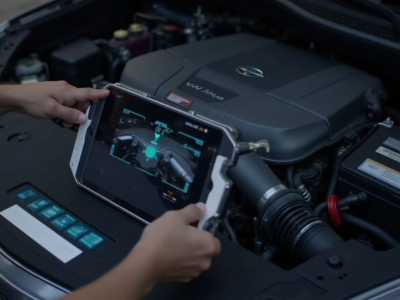
New Delhi, September 19, 2025 – Xiaomi to fix assisted driving issue in its SU7 sedans through an over-the-air software update. The update will address a flaw in the vehicle’s highway pilot system.
According to China's State Administration for Market Regulation, the recall covers over 115,000 SU7 models. The manufacturer produced the affected units between February 2024 and August 2025. Officials stated that the level 2 driver assistance may not respond properly in rare scenarios.
Additionally, the system may fail to provide early warnings to drivers. This could increase crash risks under certain driving conditions. Authorities prompted a regulatory recall on Thursday.
Xiaomi confirmed it would begin rolling out the fix Friday. The software update is expected to improve the system’s obstacle detection and warning capabilities. The company noted that affected users will receive the update remotely.
This is not the first time Xiaomi has recalled the SU7. The company had previously issued a software update to correct a separate issue. Xiaomi’s response again highlights its alignment with government safety requirements.
China mandates regulatory approval for autonomous-driving-related OTA updates. This ensures manufacturers cannot quietly fix faults without accountability. Xiaomi complied with the process before releasing the new patch.
In March, a deadly accident involving an SU7 sparked public concern. The sedan crashed into a cement pole at 97 km/h after the driver switched off assistance. Xiaomi stated the system had issued a warning before the driver took over.
Level 2 automation allows limited self-driving capabilities, including steering and speed control. Still, drivers must remain alert and be ready to take control when needed. The system assists, rather than replaces, human awareness.
On Wednesday, Chinese authorities released draft rules for level 2 vehicles. These upcoming standards aim to improve road safety and manufacturer responsibility. They will implement these fully in 2027.
Meanwhile, Xiaomi continues to market the SU7 as a smart and affordable EV option. Its advanced technology appeals to tech-savvy buyers in China. However, this recall shows the difficulties in merging innovation and safety.
Xiaomi said it would notify all affected SU7 owners. They will be able to download and install the update without visiting service centers. The company also reminded users to stay attentive while using assisted features.
This development is part of a broader push to regulate intelligent driving technologies. With more semi-autonomous cars on the road, regulatory oversight has become essential. Authorities actively work to reduce safety risks and protect consumers.
Xiaomi’s swift cooperation may help preserve public trust in the brand. The company reaffirmed its focus on safe driving systems and ongoing product improvements. Maintaining system reliability remains a core priority.
The recall also underlines that automation, while useful, is still evolving. Even well-tested systems require updates and human supervision. Drivers should not rely fully on automated features in unpredictable situations.
Improved alerts and responses from the updated system may help reduce future incidents. However, driver awareness and software functionality share responsibility. Xiaomi’s action serves as a clear reminder for the industry. As vehicle automation expands, the need for stronger governance and timely upgrades also grows. Software-driven cars must evolve alongside changing conditions and feedback.
While the SU7 continues to gain popularity, safety will remain a central concern. Consumers expect innovation but also need assurance that systems perform reliably under pressure.
Once the update is complete, users should see more dependable assisted driving. However, drivers must remain vigilant behind the wheel. No system can replace human judgment entirely.
Xiaomi will fix the assisted driving issue again, showing that safety in smart mobility is an ongoing commitment.