
Colorectal cancer is a serious health condition affecting the colon or rectum, often developing slowly from precancerous polyps. However, when diagnosed early, cancer remains highly treatable through timely medical and surgical intervention. Therefore, understanding treatment options becomes essential for patients and caregivers navigating this complex diagnosis. Among available treatments, surgery continues to play a central and decisive role in managing colorectal cancer effectively.
Why Surgery is Essential in Colorectal Cancer Treatment
Surgery represents the primary treatment for cancer, especially when doctors diagnose the disease at early stages. Essentially, surgery aims to remove the cancerous tumor completely, along with surrounding tissues and lymph nodes. Consequently, this approach reduces recurrence risk and improves long-term survival outcomes significantly. Moreover, surgery helps physicians accurately stage colorectal cancer and plan further treatment strategies.
Goals of Colorectal Cancer Surgery
The main goal of cancer surgery is to completely remove it with clear margins to prevent disease recurrence. Additionally, surgeons remove nearby lymph nodes to assess whether cancer has spread beyond the primary site. As a result, surgical outcomes guide decisions regarding chemotherapy or radiation therapy. Most importantly, successful surgery improves both survival rates and overall quality of life.
Types of Surgical Approaches
Surgeons select colorectal cancer surgery types based on tumor location, cancer stage, and patient health status.
Minimally Invasive Surgery
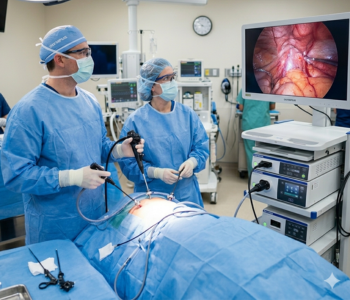
Minimally invasive surgery, including laparoscopic and robotic techniques, is increasingly preferred for colorectal cancer treatment. In these procedures, surgeons operate through small incisions using advanced instruments and cameras. Consequently, patients experience reduced pain, shorter hospital stays, and faster recovery times. Furthermore, minimally invasive surgery offers comparable cancer control to traditional open procedures.
Open Surgery
However, open surgery remains necessary for advanced cancer or complex anatomical cases. This method involves a larger incision, allowing surgeons better access to extensive tumors. Although recovery may take longer, open surgery ensures thorough tumor removal when minimally invasive options are unsuitable. Therefore, it remains a vital option in colorectal cancer management.
Role of Surgery in Early-Stage Colorectal Cancer
For early-stage cancer, surgery alone may provide a complete cure. When cancer remains confined to the colon or rectum, tumor removal prevents further disease progression. As a result, many patients avoid additional treatments like chemotherapy. Early detection, therefore, significantly increases the success of surgical intervention.
Several emergency and treatment centers need an investigation of the body's organs, tissues, and functions that can be done accurately with the help of magnetic resonance imaging, CT, and X-ray. Most surgeries are being performed in hospitals, owing to continuous patient care and monitoring. As hospitals are primary healthcare centers for the people, it is likely to propel the growth.
Surgery for Advanced Colorectal Cancer
In advanced colorectal cancer cases, surgery often forms part of a combined treatment approach. Patients may receive chemotherapy or radiation before surgery to shrink tumors. Subsequently, surgery removes the remaining cancerous tissue more effectively. Additionally, surgery may relieve symptoms such as bowel obstruction or bleeding, improving patient comfort.
Colostomy and Ileostomy Considerations
Some colorectal cancer surgeries require a temporary or permanent colostomy or ileostomy. These procedures divert waste through an opening in the abdomen when bowel reconnection is not immediately possible. Although adjusting may feel challenging initially, patients often adapt successfully with proper guidance. Importantly, these measures support healing and prevent serious complications.
Preoperative Preparation for Surgery
Before cancer surgery, patients undergo comprehensive evaluations to ensure surgical safety. These assessments include imaging scans, blood tests, and fitness evaluations. Moreover, doctors explain the procedure, risks, and recovery expectations clearly. Consequently, thorough preparation significantly reduces complications and improves surgical outcomes.
Postoperative Recovery and Care
Recovery following cancer surgery requires careful monitoring and patient cooperation. Early movement helps prevent complications such as blood clots and infections. Gradually, patients resume normal diets and activities under medical guidance. Additionally, pain management and wound care remain essential components of recovery.
Follow-Up and Long-Term Monitoring
After surgery, regular follow-up appointments ensure early detection of cancer recurrence. Doctors schedule colonoscopies, imaging studies, and laboratory tests periodically. Therefore, long-term monitoring is crucial for sustaining remission and improving survival rates. Consistent follow-up empowers patients to maintain confidence and control over their health.
Multidisciplinary Approach to Colorectal Cancer Care
Successful colorectal cancer treatment relies on collaboration among surgeons, oncologists, radiologists, and support specialists. This multidisciplinary approach ensures that surgery integrates seamlessly with chemotherapy or radiation therapy. Consequently, patients receive personalized treatment plans addressing both medical and emotional needs. Team-based care consistently improves patient outcomes.
Advancements in Colorectal Cancer Surgery
Medical advancements continue to transform cancer surgery techniques. Robotic systems, enhanced imaging, and precision tools allow surgeons to operate with greater accuracy. As a result, patients benefit from improved functional outcomes and reduced complications. These innovations reflect ongoing progress in colorectal cancer care.
Emotional and Psychological Support
Beyond physical treatment, colorectal cancer affects emotional well-being significantly. Patients may experience anxiety, fear, or lifestyle changes following surgery. Therefore, counseling, support groups, and family involvement play vital roles in recovery. Emotional support enhances resilience and improves overall quality of life.
Conclusion
Colorectal cancer surgery remains a cornerstone of effective cancer treatment across all disease stages. From early diagnosis to advanced care, surgery offers life-saving and symptom-relieving benefits. When combined with modern techniques and multidisciplinary support, surgical intervention delivers improved survival and recovery outcomes. Ultimately, informed decisions and timely care empower patients facing colorectal cancer to move forward with confidence.