
Heart health demands daily attention because modern lifestyles silently increase cardiovascular risk across all age groups. Therefore, understanding prevention strategies and treatment options empowers individuals to make informed decisions early. This blog focuses on holistic heart care while highlighting minimally invasive heart surgery as an advanced treatment option. By combining lifestyle discipline with medical awareness, people can protect heart function and improve recovery outcomes significantly.
Understanding Heart Health Basics
The heart pumps oxygen-rich blood continuously, supporting every organ system and sustaining energy, immunity, and mental clarity. Consequently, even minor heart dysfunction can affect the entire body and daily performance. Maintaining heart health ensures long-term vitality and reduces dependency on intensive medical interventions.
Common Causes of Heart Problems
Poor diet, physical inactivity, stress, smoking, and unmanaged medical conditions commonly contribute to heart disease development. Additionally, genetics and aging increase vulnerability when lifestyle habits remain unhealthy. Early recognition of these causes helps prevent complications requiring surgical intervention later.
Nutrition: Fueling the Heart Correctly
A balanced diet strengthens the heart by reducing cholesterol levels and improving blood vessel flexibility over time. Therefore, consume fruits, vegetables, whole grains, lean proteins, and healthy fats regularly. Foods rich in omega-3 fatty acids, antioxidants, and fiber actively protect against inflammation and arterial blockages.
Processed foods, sugary beverages, and excess salt elevate blood pressure and strain the heart muscles gradually. Moreover, trans fats increase harmful cholesterol levels and accelerate plaque formation. Replacing unhealthy snacks with nuts, seeds, and fruits supports consistent cardiovascular improvement.
Physical Activity and Heart Strength
- Importance of Regular Exercise: Exercise keeps the heart strong by improving circulation, controlling weight, and stabilizing blood pressure naturally. Therefore, aim for at least thirty minutes of moderate activity most days. Activities like walking, cycling, or swimming enhance endurance while reducing heart disease risk.
- Staying Consistent Safely: Consistency matters more than intensity because gradual progress prevents injuries and burnout. Additionally, regular movement prepares the body for faster recovery if minimally invasive heart surgery becomes necessary. Active individuals often experience shorter hospital stays and improved post-surgical outcomes.
Sleep and Stress Management
- Quality Sleep for Cardiac Balance: Adequate sleep regulates hormones controlling blood pressure, inflammation, and metabolism throughout the body. Consequently, sleeping seven to nine hours nightly supports stable heart rhythms and overall cardiovascular balance. Poor sleep habits increase heart disease risk significantly over time.
- Managing Daily Stress Effectively: Chronic stress elevates cortisol levels, which negatively impacts heart health and blood pressure regulation. Therefore, practicing meditation, deep breathing, or yoga promotes emotional balance and cardiac stability. Stress reduction also encourages healthier lifestyle decisions consistently.
Avoiding Harmful Habits
- Smoking and Heart Damage: Smoking damages blood vessels, reduces oxygen supply, and accelerates plaque buildup inside arteries rapidly. Quitting smoking immediately improves circulation and lowers heart disease risk regardless of age. This single change delivers profound cardiovascular benefits quickly.
- Alcohol Consumption Awareness: Excessive alcohol intake raises blood pressure and increases irregular heartbeat significantly. Therefore, moderation remains essential for maintaining heart rhythm and vascular health. Choosing alcohol-free days each week supports long-term cardiac stability.
Preventive Health Checkups
- Early Detection Saves Lives: Routine screenings detect silent conditions like high cholesterol, diabetes, and hypertension before complications arise. Consequently, early intervention prevents severe heart damage and reduces emergency situations. Preventive care also supports timely planning for advanced treatments if required.
- Preparing for Advanced Treatments: Patients maintaining good heart health respond better to minimally invasive heart surgery when intervention becomes necessary. Regular checkups ensure eligibility for less invasive procedures with quicker recovery timelines.
Minimally Invasive Heart Surgery: A Modern Solution
What Makes It Different
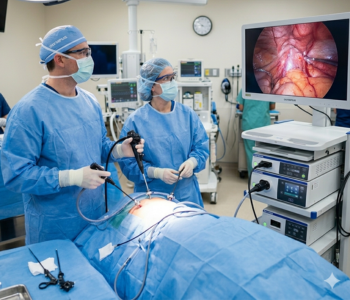
Minimally invasive heart surgery uses smaller incisions, advanced instruments, and precise techniques to treat heart conditions effectively. Unlike traditional open-heart surgery, it reduces trauma, pain, and recovery time substantially. Patients experience fewer complications and improved comfort post-procedure.
Conditions Treated Effectively
This approach treats valve disorders, coronary artery disease, and certain congenital heart defects efficiently. Therefore, patients often resume normal activities sooner and regain their quality of life faster. Lifestyle management before surgery enhances surgical success rates significantly.
Lifestyle Habits That Support Recovery
- Hydration and Mindful Eating: Proper hydration maintains healthy blood viscosity and supports nutrient delivery to heart tissues. Mindful eating prevents overeating and consistently stabilizes blood sugar levels. Together, these habits strengthen cardiovascular resilience.
- Family History and Awareness: Understanding family medical history helps personalize prevention and treatment strategies effectively. Although genetics influences risk, lifestyle discipline can offset inherited vulnerabilities. Awareness empowers confident, proactive heart care decisions.
Conclusion: Building a Heart-Healthy Future
Heart care requires commitment, awareness, and consistent lifestyle choices practiced daily. By prioritizing nutrition, exercise, sleep, stress management, and preventive checkups, individuals protect long-term heart function. When necessary, minimally invasive heart surgery offers a safe, advanced solution with excellent recovery outcomes. Ultimately, proactive heart care today ensures a healthier, more active tomorrow.