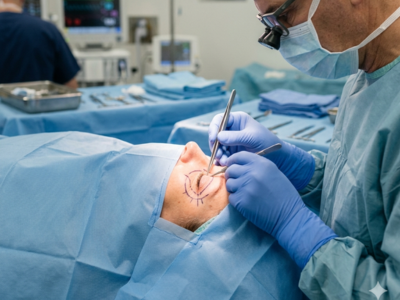

Oculoplastic surgery combines medical precision and aesthetic expertise to improve eye health while enhancing facial appearance with lasting functional benefits.
The eyes play a vital role in vision and facial expression; therefore, even minor changes can significantly affect confidence and daily comfort. However, ageing, injuries, or medical conditions often disrupt both function and appearance, requiring specialized intervention. Oculoplastic surgery addresses these concerns by restoring structure, improving vision, and refining aesthetics through advanced techniques.
Understanding Oculoplastic Surgery in Modern Eye Care
Oculoplastic surgery refers to procedures that repair, reconstruct, or enhance structures surrounding the eyes, including eyelids, tear ducts, and orbit. These procedures target both functional and cosmetic issues, making them essential in comprehensive eye care.
Moreover, surgeons perform oculoplastic surgery to treat medical conditions such as trauma, congenital defects, and tumors, while also improving facial harmony. Consequently, patients experience improved vision alongside enhanced appearance, creating a balanced outcome that supports physical and emotional well-being. Additionally, global demand for these procedures continues to rise because patients increasingly seek treatments that combine health benefits with aesthetic improvements.
Conditions That Require Oculoplastic Surgery
Many individuals ignore initial symptoms of eye problems; however, proper diagnosis leads to better results and avoids any further complications. Oculoplastics surgery is effective for treating various ailments related to the tissues surrounding the eyes.
For instance, droopy eyelids or ptosis may lead to poor vision while making a person appear tired. Moreover, inverted and turned-out eyelids may result in discomfort and pain, and a surgical procedure would become necessary to rectify the problem. Equally, blockages in the tear ducts make a person experience continuous tears, and it can be treated by specialized surgery. In addition, oculoplastic surgery addresses orbital fractures, tumors, and excess skin or fat deposits that affect both function and aesthetics. Therefore, early consultation with an eye specialist ensures accurate diagnosis and appropriate treatment planning.
Types of Oculoplastic Surgery Procedures
Oculoplastics surgery consists of various surgical techniques specifically designed for addressing particular problems associated with the eyes. All the procedures have unique advantages in providing natural results. Blepharoplasty, commonly known as eyelid surgery, removes excess skin and fat to reduce puffiness and restore a youthful appearance. Meanwhile, ptosis surgery strengthens weakened eyelid muscles, improving vision and creating a more open eye appearance.
In addition, tear duct surgery allows for adequate drainage of tears that accumulate due to clogged ducts. Orbital surgery involves correcting more complicated problems related to the eye socket, such as trauma and tumors. Consequently, these procedures collectively enhance both visual function and facial aesthetics.
Benefits of Oculoplastic Surgery for Patients
There are numerous advantages associated with oculoplastics that surpass mere cosmetic benefits, making it an ideal medical procedure. Firstly, the surgery improves vision due to the anatomical defects that hinder one from seeing clearly or experiencing pain.
Secondly, it enhances facial symmetry and rejuvenates the eye area, helping patients achieve a refreshed and youthful appearance. Furthermore, patients often experience increased confidence because an improved appearance positively influences self-esteem and social interactions.
Moreover, oculoplastics deliver sustained benefits, particularly when accompanied by the appropriate aftercare and good lifestyle choices. Hence, the procedure is not only beneficial for physical reasons but also for emotional well-being.
Procedure and Surgical Approach
Before the surgical process is performed on the patient, there is a careful evaluation done to ensure that the treatment that is most ideal for the specific case is identified. Surgeons carefully assess medical history, symptoms, and aesthetic goals to ensure personalized care. During the procedure, surgeons inject the patient with either general or local anesthetics, which help in keeping him/her comfortable during the surgery. Moreover, surgeons make very small cuts at precise locations in order to avoid obvious scars. The process takes between thirty minutes and several hours, and in most cases, it is done under outpatient conditions, which enable patients to return home the same day. Consequently, modern techniques make oculoplastic surgery efficient, safe, and accessible for a wide range of patients.
Recovery and Post-Surgical Care
Oculoplastics surgery recovery depends upon the type of procedure performed on the patient, although most people show great improvements within the first two weeks after the procedure. Swelling and bruising are common initially, but they gradually reduce with proper care and rest. The patient has to adhere to all the instructions that will be given after the operation, such as avoiding rigorous exercise and eye strain. Additionally, the individual is supposed to go for the recommended follow-up appointments. The majority of people recover to their routine after one or two weeks, even though it may take several months to achieve full recovery, depending on the type of treatment administered. This explains why it is essential to be patient and follow the advice of the doctor.
Cost and Accessibility in the United States
The price of oculoplastic surgery in the United States varies widely based on the city, the expertise of the surgeon, and the complexity of the procedure performed. Even when searching for oculoplastic surgery prices in New York, Los Angeles, or Chicago, large metropolitan cities tend to demand premium prices for their services.
In fact, the average cost for an oculoplastic surgery procedure in the U.S. may exceed $10,000, particularly in high-demand areas of major cities. In addition, there are additional costs associated with anesthesia, the facility where the surgery takes place, and postoperative follow-up consultations.
The average cost of the surgery in the US is $11,350 because of technological improvement and the need for expertise. As a result, despite the higher costs of the surgery than those charged by other countries, individuals will be able to receive excellent services through modern processes.
Why Oculoplastic Surgery Is Growing in Demand?
The increasing acceptance of oculoplastic surgeries stems from a changing healthcare scenario where both the therapeutic and aesthetic aspects of treatment are integrated. Patients today prefer treatments that enhance quality of life while improving appearance naturally and subtly. Moreover, advancements in surgical techniques have made these procedures safer, quicker, and more effective, encouraging more individuals to consider them. As awareness increases, people recognize that eye health and facial aesthetics are closely connected, further driving demand for oculoplastic surgery.
Oculoplastic surgery stands at the intersection of medical science and aesthetic innovation, offering solutions that improve both vision and appearance effectively. By addressing functional issues and enhancing facial harmony, it provides long-term benefits that extend beyond physical transformation.
Therefore, individuals experiencing eye-related concerns should consider consulting a qualified specialist to explore suitable treatment options. With proper care, advanced techniques, and expert guidance, oculoplastic surgery can significantly enhance both eye health and overall quality of life.