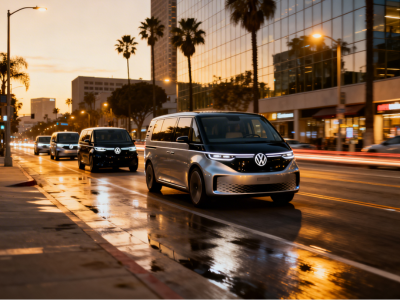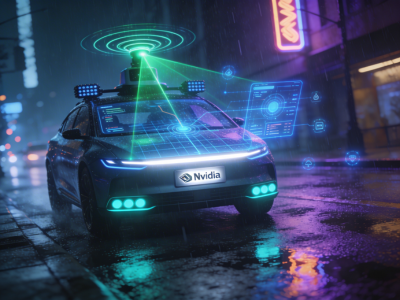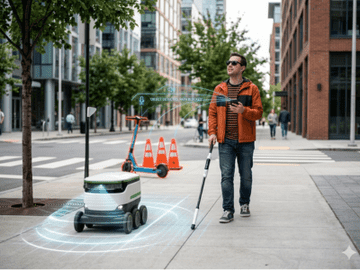

Modern cities are often buzzing with activity, but for those with vision or mobility challenges, navigating a busy sidewalk can feel like a high-stakes obstacle course. Fortunately, a new wave of AI-powered accessibility solutions is turning the tables on these urban challenges. By combining the eyes of delivery robots with the needs of pedestrians, technology is finally making the physical world as searchable and navigable as the internet. This shift isn't just about robots carrying packages; it is about using the vast amounts of information these machines collect to create a more inclusive environment. When we use assistive technology AI to map out hazards in real-time, we move one step closer to a world where everyone can move through their community with confidence and independence.
Accessibility Innovation Gains Momentum in U.S. Urban Infrastructure
The Last Mile Delivery Market in the United States is rapidly evolving as companies move beyond simple logistics toward a strategy of community-integrated automation. This trend highlights a significant expansion where U.S. market leaders are utilizing autonomous delivery robots not just for efficiency, but also as mobile sensors that monitor the health of city streets. By identifying broken pavement, construction zones, and misplaced scooters, these robots provide a wealth of data that helps city planners prioritize repairs and improve smart city accessibility. This domestic push for inclusive urban design ensures that the latest urban mobility solutions serve all residents, regardless of their physical abilities. Currently, the U.S. maintains dominance with the largest share in the AI-powered accessibility solutions market, driven by a strong focus on civil rights and high-tech infrastructure investment.
Coco Robotics and BlindSquare Partner to Improve Sidewalk Safety
The recent Coco Robotics partnership with the BlindSquare app marks a major milestone in how we think about shared public spaces. Coco, a leader in autonomous delivery robots, is now sharing its real-time navigation data with BlindSquare, the most popular GPS app for the visually impaired. This collaboration ensures that as a robot rolls down a street, it is constantly looking for problems that could trip up a human. Whether it is a poorly parked e-scooter or an unexpected construction site, the information is immediately flagged. This is a perfect example of how AI for visually impaired users can be integrated into the tools they already use every day, making the city a much friendlier place to navigate.
Real-Time Robot Data Powers Accessibility for Visually Impaired Users
One of the biggest hurdles for people who are blind or partially sighted is that traditional maps don't update fast enough to show temporary obstacles. This is where real-time sidewalk data becomes a lifesaver. Because Coco’s robots are constantly moving through the neighborhood, they can spot a new hazard and report it within seconds. This information is then fed into the BlindSquare app, which uses a self-voicing system to tell the user exactly what is ahead. It is a form of smart sidewalk innovation that provides a layer of digital protection over the physical world. By turning a robot's sensors into a human's early warning system, we are seeing the true potential of assistive technology AI in action.
Autonomous Delivery Robots Help Detect Urban Sidewalk Hazards
Most people see a delivery robot and think about their lunch, but these machines are actually sophisticated data-gathering tools. As they move, they log every blip or blockage they encounter, creating a living map of the city's walkways. These AI navigation tools are incredibly precise, identifying not just that an obstacle exists, but how long it is likely to stay there. This level of detail is vital for urban mobility solutions, as it allows pedestrians to plan their routes with certainty. Instead of discovering a blocked sidewalk too late, users can receive updates about hazards before they even leave their front door. It is a smart way to put AI-powered accessibility solutions to work for the whole community.
Voice Alerts Enable Safer Navigation for Mobility-Limited Pedestrians
Safety is all about having the right information at the right time. Through this new partnership, users receive voice alerts approximately ten meters before they reach a recorded hazard. These alerts, delivered in 26 different languages, give pedestrians plenty of time to find a safe way around the problem. This is especially helpful for those using wheelchairs or walkers, who may need more space to turn around or change direction. These AI navigation tools act like a personal scout, clearing the path ahead and ensuring that smart city accessibility is a reality for everyone. It turns the digital eyes of a robot into a voice of guidance for someone who needs it.
Smart City Integration Expands Across U.S. and European Markets
The rollout of this technology is not limited to just one location; it is expanding across major hubs like Los Angeles, Miami, Chicago, and even Helsinki in Finland. This global growth shows that inclusive urban design is a priority for cities everywhere. As accessibility tech in the U.S. continues to lead the way, European partners are also joining in to see how these urban mobility solutions can be adapted for older, more narrow streets. This cross-border cooperation is essential for setting new standards in smart city accessibility. It proves that when tech companies and local governments work together, they can solve complex problems that once seemed impossible to fix.
Helsinki Pilot Highlights Collaboration Between Tech and Public Sector
The success of the Helsinki pilot program is a great example of how public funding can jumpstart smart sidewalk innovation. By using a European Union grant, Coco and BlindSquare were able to prove that their AI-powered accessibility solutions could work in harmony with a city's existing infrastructure. This project gave local officials new visibility into what was actually happening on their sidewalks, from traffic patterns to maintenance needs. It serves as a blueprint for how assistive technology AI can be used by the public sector to create safer and more responsive environments for every resident. When tech and policy align, the results can truly change lives.
What This Means for the Future of Inclusive Smart Cities
Looking ahead, the future of inclusive smart cities will be defined by how well we share information. We are moving toward a two-way data flow, where users can also report back to the robots, creating a perfectly synchronized map of the city. This will lead to even more advanced AI-powered accessibility solutions that can predict where problems might arise before they happen. As autonomous delivery robots become a standard part of our neighborhoods, their role as guardians of the sidewalk will only grow. The end goal is a city that is not only smart but also kind, a place where technology is used to break down barriers and ensure that everyone has the freedom to move.