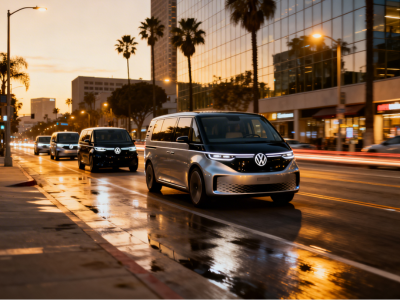

The streets of Southern California are witnessing a historic shift as Volkswagen has started testing its self-driving taxis in Los Angeles this week. This monumental collaboration between MOIA America and Uber deploys a specialized fleet of all-electric microbuses to redefine urban navigation. By integrating cutting-edge autonomous software with iconic vehicle design, the partners aim to bridge the gap between visionary technology and practical, everyday mobility. While industry observers have long anticipated a move into the domestic market, this unified venture marks a bold statement that the future of shared transportation will be defined by electric, driverless innovation.
This moment reflects a strategic shift where high-performance hardware serves as the primary engine for smart urban mobility and industrial expansion. In this blog, we uncover the technical leap toward localized fleet operations and the emergence of living rooms on wheels for a world defined by autonomous ride-hailing. But the real question is, what does the Volkswagen robotaxi strategy signal for the future of the global mobility hierarchy?
How Volkswagen and Uber are testing robotaxi microbuses in Los Angeles
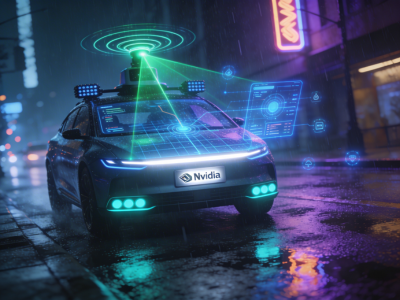
The partnership is utilizing a small but powerful fleet of ten vehicles to begin its operations in the city. These self-driving microbus testing units are equipped with a suite of sensors designed to handle complex city traffic. To ensure operational excellence, the companies have established a dedicated joint facility for daily autonomous fleet operations. This center serves as the nerve center for monitoring vehicle health and mapping data in real-time. By starting with a focused fleet, Volkswagen and Uber can fine-tune their algorithms before a wider commercial release. The collaboration leverages Uber's massive network of riders and Volkswagen’s legendary manufacturing expertise. It is a synergy that brings the vision of autonomous ride-hailing closer to everyday reality for Angelenos.
Why Los Angeles is the launchpad for autonomous ride-hailing services
Los Angeles offers a unique environment for driverless car testing due to its diverse road structures and legendary car culture. Local leaders have long embraced smart urban mobility as a solution to the region's famous traffic woes. The city’s complex intersections and high density provide the perfect stress test for autonomous software. Furthermore, California’s status as a tech hub ensures a population that is eager to adopt AI mobility solutions. By launching here, MOIA America can gather invaluable data that will inform its strategy in other major U.S. markets. Success in this city serves as a powerful proof of concept for the entire industry. It is a move that positions Los Angeles at the very center of the global mobility revolution.
How the ID. Buzz is powering next-gen self-driving mobility
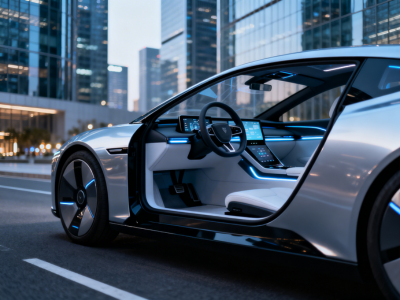
The main vehicle used in this project is the Volkswagen ID Buzz autonomous model, a modern take on the classic microbus. This platform provides a spacious and approachable interior that is perfect for shared rides. Unlike traditional sedans, the ID. Buzz offers a living room on wheels feel that enhances the passenger experience.
- Seating Capacity: The production version comfortably seats four passengers in a lounge-style layout.
- Electric Efficiency: As one of the premier EV autonomous vehicles, it offers silent and emission-free travel.
- Integrated Tech: The vehicle features redundant sensor sets and high-performance computing to manage its surroundings.
- Friendly Design: The iconic look helps reduce the fear factor often associated with robotic technology. These features make it a standout choice for a robotaxi service launch in 2026 and beyond.
What MOIA America’s strategy means for U.S. autonomous vehicle rollout
The rebranding of Volkswagen’s U.S. autonomous division to MOIA America signals a unified global vision. This MOIA America autonomous vehicles strategy seeks to bridge the gap between European testing successes and American market demands. By consolidating its branding, Volkswagen is streamlining its path toward a large-scale commercial launch. This strategy involves scaling the Los Angeles fleet to over 100 vehicles as the testing program matures. It also sets the stage for entry into other major cities across the United States within the next decade. The focus is on a steady, methodical expansion rather than a rushed deployment. This patient approach builds the long-term trust required for mass public adoption of self-driving tech.
How robotaxi testing is shaping the future of urban transportation
The data gathered during these trials will directly influence how cities manage ride hailing automation in the years to come. These tests help determine the best locations for charging hubs and passenger pickup zones. They also provide insights into how autonomous fleets can complement existing public transit systems. This shift toward smart urban mobility aims to reduce the total number of private cars on the road. By making shared rides more convenient, cities can reclaim space currently used for parking. The future of transportation in the USA is being written on these test tracks, one mile at a time. Every successful trip contributes to a larger map of how humans and machines will interact in the modern city.
Why safety drivers remain critical in early autonomous deployments
Despite the high level of tech, a human safety operator will remain behind the wheel during the initial phases. These professionals serve as a vital fail-safe while the AI learns the nuances of Los Angeles traffic. Their presence ensures that the Volkswagen robotaxi testing in Los Angeles remains safe for all road users. It also allows engineers to compare human decision-making with the car’s sensor data in real-time. This hybrid phase is essential for validating the software’s performance under unpredictable conditions. Once millions of test miles are recorded without incident, the transition to full driverless car testing can begin. Safety drivers are the unsung heroes of this transition, providing the human oversight needed for a secure rollout.
How Uber is expanding its autonomous vehicle partnerships globally
Uber is positioning itself as the operating system for the world's self-driving fleets. While the Waymo Uber competition is well-known, the company is diversifying its bets through twenty-five different partnerships. Beyond Volkswagen, the recent Rivian robotaxi deal adds another 10,000 vehicles to their planned network. These agreements span everything from food delivery to long-haul trucking and drone services. By acting as a platform rather than a hardware builder, Uber can scale rapidly across different continents. This global reach ensures that Uber remains the dominant player in ride hailing automation regardless of which hardware wins. Their strategy is to offer the best user interface for the world’s most advanced autonomous machines.
What regulatory hurdles do autonomous vehicles face in California
Operating in the Golden State requires navigating complex autonomous vehicle California regulations. Companies must secure specific permits from the Department of Motor Vehicles (DMV) just to begin testing. To charge for rides, a secondary permit from the California Public Utilities Commission (CPUC) is required. These agencies scrutinize safety reports, incident data, and emergency response plans with extreme detail. Recent public debates over autonomous safety have only increased the level of regulatory oversight. MOIA America must demonstrate consistent reliability to move from testing to a full-scale robotaxi service launch 2026. Meeting these high standards is a prerequisite for any firm hoping to operate in the world’s most influential tech market.
Long-term outlook for robotaxis and shared autonomous mobility
The outlook for autonomous vehicle regulations in California points to a future where driverless fleets become a common part of everyday life. By 2027, Volkswagen plans to move beyond having safety drivers and begin fully autonomous operations in Los Angeles, marking the real start of the robotaxi era, where travel costs per mile could fall significantly. Shared autonomous rides may become more affordable than owning a private car, while all-electric fleets will help cities reduce carbon emissions. In addition, AI-driven vehicles can improve road safety and provide greater mobility and independence for the elderly and vulnerable groups.