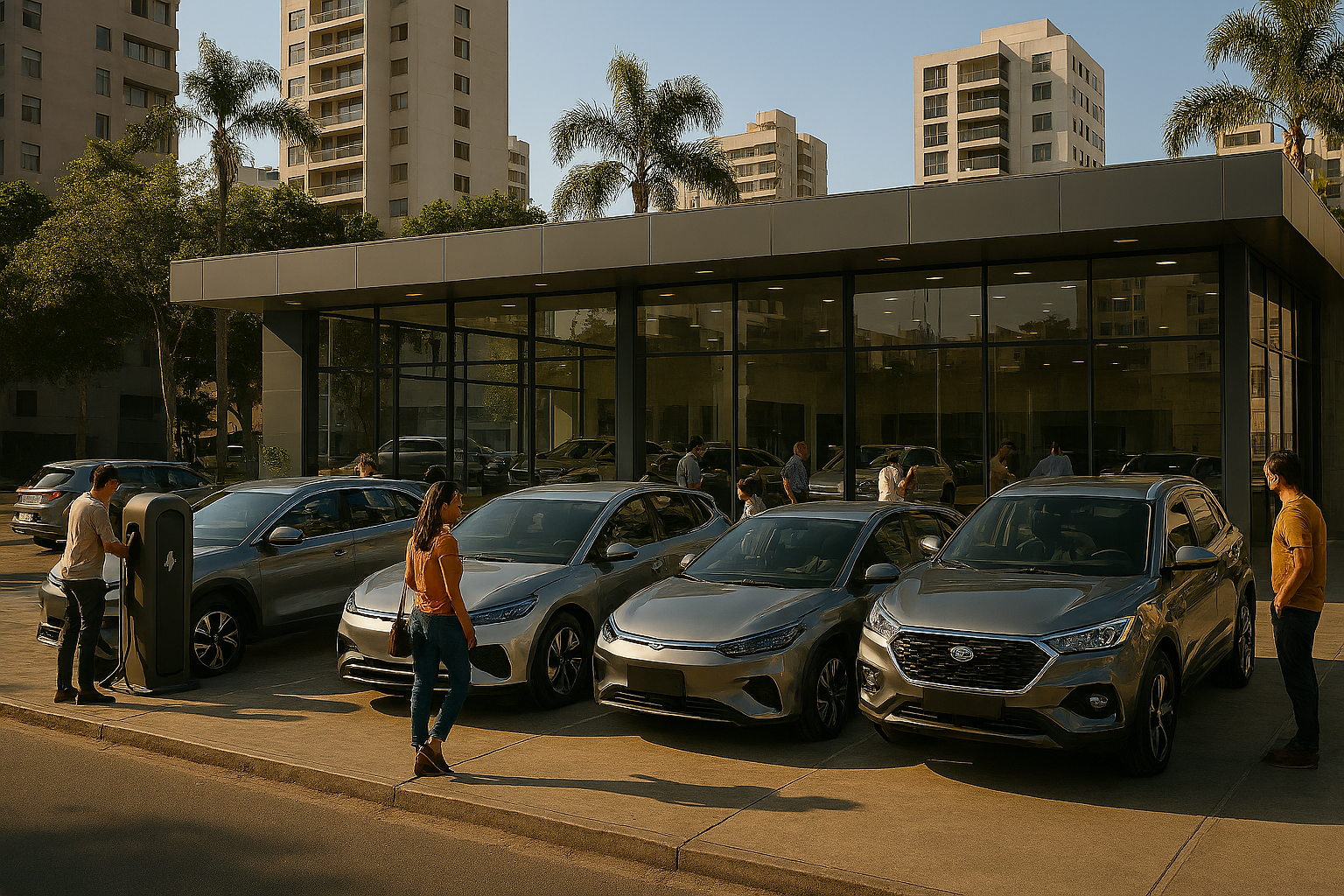

The introduction of a new Level 4 autonomous vehicle at the European AV Summit has established Tensor as a leading contender in the global pursuit of personal self-driving cars. The Silicon Valley-based company launched its production-ready Tensor Robocar in the United Kingdom, marking a significant expansion milestone and advancement in next-generation mobility solutions.
Tensor characterized the Robocar as the world’s first Level 4 autonomous vehicle engineered specifically for personal ownership rather than fleet deployment. This distinction sets it apart in an industry where most fully autonomous prototypes are intended for robotaxi services. According to the company, the purpose-built design reflects a decade of engineering dedicated to autonomous driving technology, adaptive safety architecture, and human-centric artificial intelligence systems.
The Robocar incorporates a foldable steering wheel, developed with Autoliv, a leading automotive safety systems provider. The steering wheel retracts when the vehicle operates in full autonomous mode and re-engages when manual control is required. This dual-mode configuration lets owners choose their preferred mode of interaction, reflecting Tensor’s commitment to freedom and flexibility in future vehicles.
Jay Xiao, Tensor’s CEO, stated that presenting the vehicle at the European AV Summit was essential due to the presence of policymakers, insurers, and industry experts. The event provided an optimal platform to demonstrate the safety and reliability of the Robocar. Xiao emphasized that Tensor’s adaptive systems and comprehensive redundancy are designed to comply with Europe’s stringent safety standards for autonomous vehicle systems.
Tensor’s participation at the Summit underscored the growing significance of connected vehicles and intelligent transportation systems in shaping future mobility. The United Kingdom, advancing new autonomous vehicle regulations, serves as a strategic entry point for companies like Tensor. The country’s evolving AV policies and urban testing environments offer a framework for broader international deployment.
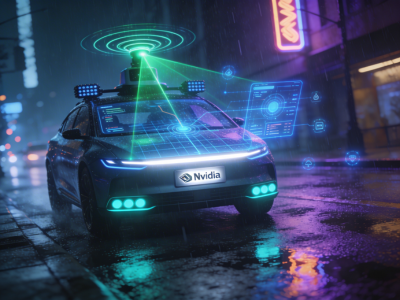
Additionally, the Robocar’s debut demonstrated Tensor’s advancements in agentic AI mobility. The system uses AI-powered vehicles that interpret their environment with advanced sensing hardware and deep learning models. This enables the vehicle to navigate complex urban settings, maintain situational awareness, and perform safe maneuvers autonomously.
Tensor’s strategic partnerships support its ambitions. The company collaborates with NVIDIA to enhance real-time computing capabilities through advanced autonomous driving platforms. Partnerships with Arm, Marsh, Oracle, and VinFast cover cloud infrastructure, safety validation, automotive manufacturing, and semiconductor optimization. These alliances position Tensor at the forefront of driverless vehicle innovation.
The Robocar is slated to enter production this year, with planned availability across the EU, UAE, and US markets. According to Tensor, the vehicle has been engineered from the ground up using a unique agentic AI architecture that brings together adaptive learning, predictive safety systems, and a personalized user experience.
In the United States, the launch aligns with a rapidly evolving regulatory landscape, where both federal and state agencies are working toward clearer safety standards while supporting controlled testing and deployment of semi‑autonomous technologies. This momentum is further reinforced by growing investments from major US automakers and technology companies in AV testing corridors, public–private partnerships, and infrastructure upgrades designed to enable a more connected and autonomous mobility ecosystem.
The folding steering wheel technology complements the Robocar’s dual-mode drive system, allowing seamless transitions between autonomous and manual operation. This design lets cautious drivers adopt advanced features incrementally while benefiting from AI-driven mobility.
The European AV Summit emphasized collaboration among regulators, automakers, researchers, and insurers, all of whom are essential for the deployment of safe Level 4 systems. Tensor’s involvement in the event ensured that the Robocar received visibility among stakeholders responsible for autonomous vehicle approvals, insurance frameworks, and long-term urban planning.
Industry analysts say Tensor’s arrival in Europe marks a turning point in autonomous car market trends. Many companies are shifting from experimental prototypes to production-ready AI vehicles. Tensor’s entry adds competition for established automotive AI partnerships and deepens the market’s push toward consumer ownership of autonomous cars.
The Autonomous Vehicle (AV) Market continues to grow as companies refine safety systems, improve AI models and invest in long-range sensor networks. Many manufacturers also pursue strategies that combine autonomous features with manual controls to ease consumer adoption and meet regulatory demands. This hybrid approach is expected to accelerate market acceptance over the next decade.
Tensor’s initial UK showcase demonstrates that personal Level 4 autonomous vehicles have moved beyond the conceptual stage. The company asserts that private ownership of intelligent, self-driving cars will soon become mainstream, transforming mobility through safer, adaptive, and AI-powered designs. As global demand for automation increases, Tensor’s Robocar serves as a clear indicator that the future of transportation is approaching more rapidly than anticipated.